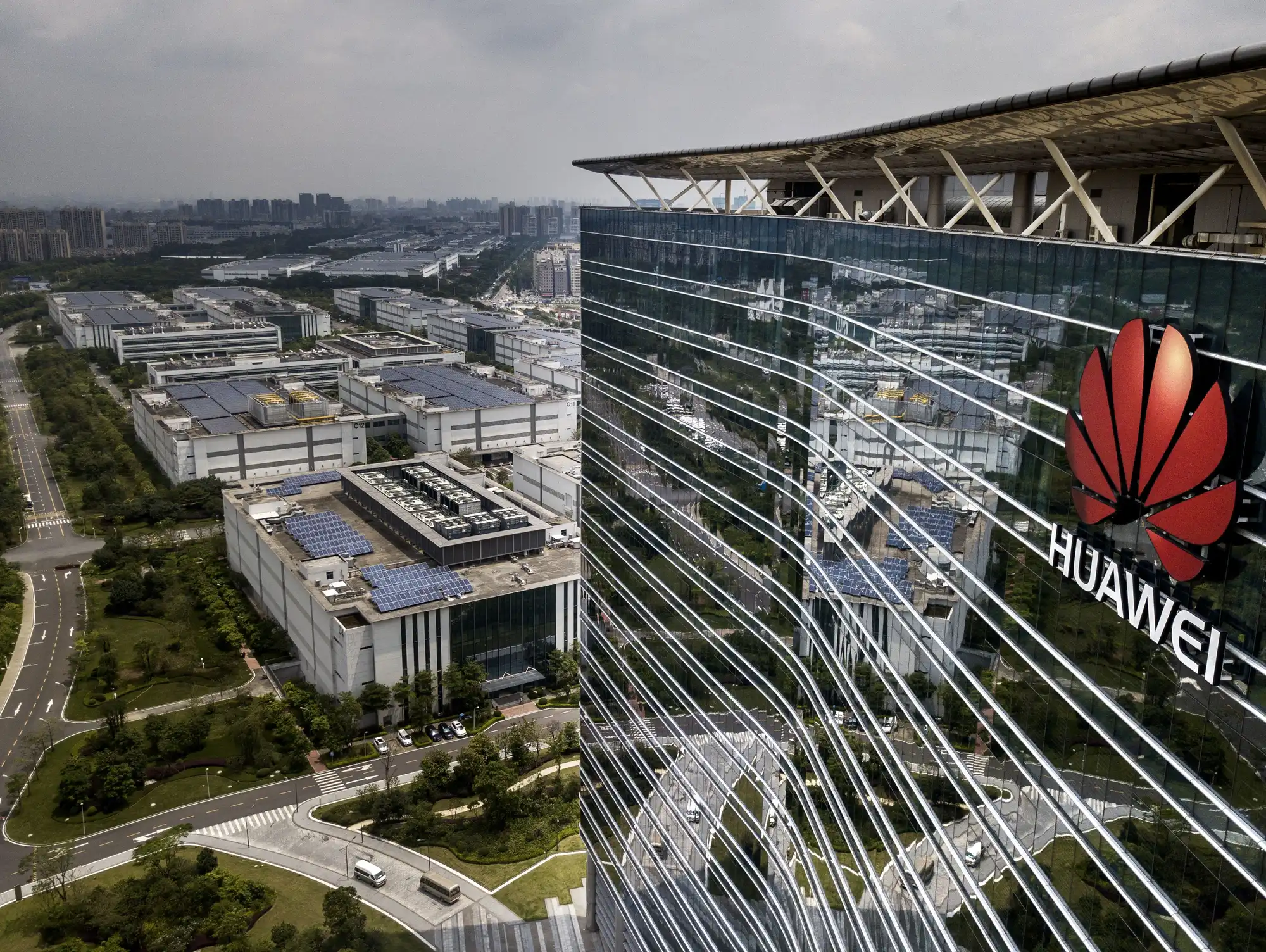
The global energy landscape continues its dynamic evolution, marked by both the persistent volatility in traditional fossil fuel markets and a relentless push towards decarbonization and grid resilience. Against this backdrop, a recent strategic collaboration between GoldenPeaks Capital (GPC) and Huawei Digital Power in Central and Eastern Europe stands out as a significant development. This partnership, focused on deploying 500MWh of advanced grid-forming battery energy storage systems (BESS), underscores a critical trend: the accelerating integration of renewable energy and the associated need for robust, flexible grid infrastructure. For astute oil and gas investors, understanding these shifts is paramount, as they directly influence long-term demand projections, capital allocation strategies, and the overall risk-reward profile across the energy sector.
Strengthening Europe’s Grid Amidst the Renewable Surge
The alliance between GPC and Huawei Digital Power represents a substantial commitment to energy stability in one of Europe’s fastest-growing renewable markets. Building on an existing seven-year partnership that has already supported 1.7GW of solar assets across Poland and Hungary, this new Memorandum of Understanding targets the deployment of 500MWh of state-of-the-art grid-forming BESS units. This technology is crucial because it mimics the stabilizing functions of conventional synchronous generators, maintaining voltage and frequency even as intermittent renewable sources like solar and wind proliferate. GPC, already a formidable player with over 1.7GW of solar and an impressive 1.6GWh storage pipeline, leverages Huawei’s cutting-edge hardware and integrated energy management platforms to execute these projects. This initiative directly addresses the European Union’s ambitious carbon neutrality goals and strengthens regional energy resilience, a factor increasingly important for investors seeking long-term, stable returns in infrastructure that hedges against geopolitical energy supply risks.
Navigating Volatility: Market Prices and Strategic Investments
The current market environment for traditional energy sources paints a stark picture of volatility, serving as a powerful counterpoint to the stable, long-term contracted nature of renewable infrastructure investments. As of today, Brent Crude trades at $90.38, reflecting a sharp 9.07% decline within the day, with its range fluctuating significantly between $86.08 and $98.97. Similarly, WTI Crude stands at $82.59, down 9.41% today, experiencing its own substantial daily swings from $78.97 to $90.34. This immediate downturn follows a broader trend; Brent has shed nearly 20% over the last 14 days, falling from $112.78 on March 30th to its current level. Such dramatic price movements in the oil market highlight the inherent risks associated with commodity-dependent portfolios. In contrast, the GPC-Huawei projects benefit from mechanisms like Poland’s capacity market auctions, which have secured 17-year revenue guarantees for existing BESS capacity. This stable, predictable revenue stream offers a compelling alternative for capital seeking refuge from the often-unpredictable swings of crude prices, demonstrating how capital can be strategically deployed to reduce overall portfolio risk.
Forward Outlook: Upcoming Events and Policy Tailwinds
The coming weeks are poised to deliver a fresh wave of data points and potential market-moving decisions for oil and gas investors. With key events like the OPEC+ JMMC Meeting on April 19th and the full OPEC+ Ministerial Meeting on April 20th looming, the supply side of the crude market could experience significant shifts. These meetings often lead to production quota adjustments that can send immediate ripples through global oil prices. Furthermore, the API Weekly Crude Inventory reports (April 21st, April 28th) and the EIA Weekly Petroleum Status Reports (April 22nd, April 29th) will offer critical insights into U.S. supply and demand dynamics, while the Baker Hughes Rig Count on April 24th and May 1st will indicate future production intentions. For investors, these events are crucial for short-term positioning. However, looking beyond these immediate catalysts, the strategic expansion of BESS capacity by GPC and Huawei points to a longer-term, structural change in energy markets. The EU’s consistent policy support for carbon neutrality and energy resilience provides a stable tailwind for renewable infrastructure, creating an investment environment largely decoupled from the immediate anxieties of OPEC+ decisions or weekly inventory reports. This duality requires investors to balance tactical plays in the volatile oil market with strategic, long-term allocations in the burgeoning energy transition sector.
Investor Focus: Diversification in a Shifting Energy Paradigm
Our proprietary reader intent data reveals a clear focus among investors on the immediate trajectory of oil and gas assets. Questions such as “How well do you think Repsol will end in April 2026” and “What do you predict the price of oil per barrel will be by end of 2026?” dominate inquiries, underscoring a prevailing desire for clarity on short-term and medium-term commodity performance. While these concerns are valid and central to traditional oil and gas investing, the GPC-Huawei partnership serves as a potent reminder of the broader energy investment landscape. For oil and gas investors, this signifies more than just a renewable energy story; it is about the diversification and modernization of the entire energy grid, which ultimately impacts demand for all energy forms. Investing in critical infrastructure like grid-forming BESS, particularly with stable, long-term revenue guarantees, offers a different risk profile compared to upstream exploration and production or refining operations. It represents a strategic play on energy security, grid stability, and the inevitable decarbonization trend. Smart capital will increasingly consider how investments in “new energy” infrastructure, while distinct from traditional oil and gas, can either complement existing portfolios or serve as a hedge against the inherent cyclicality and geopolitical risks of fossil fuels, thereby enhancing overall portfolio resilience.


