

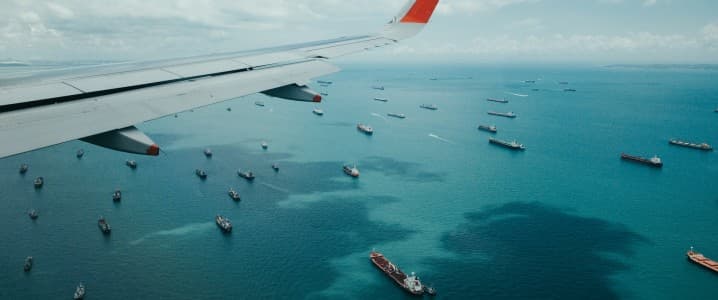
The price of fuel oil has surged this week as the stalled tanker traffic at the Strait of Hormuz is tightening supplies of the fuel in Asia, the key bunkering hub for fuel oil used in ships.
The Middle East is a major global supplier of fuel oil, especially of high-sulfur fuel oil (HSFO). But the Iran war has all but halted traffic via the Strait of Hormuz, stranding supplies for Asia and its key bunkering hub of Singapore.
As a result, prices have soared and are set to continue rising, traders and analysts told Reuters on Friday.
HSFO prices at Singapore have jumped by over 40% compared to before the war, while low-sulfur fuel oil (LSFO) and very low-sulfur fuel oil (VLSFO) prices and cracks have also strengthened. LSFO prices at Singapore, the world’s top refueling hub for ships and tankers, have soared by about 30% since the beginning of the war.
The high fuel prices for ships will raise the price of transporting goods and could add to other price pain points to lift inflation.
With Middle Eastern fuel oil supply still stuck in the Middle East, Asian buyers are scrambling for the commodity to stock up before the current inventory at Singapore starts to draw down at a faster pace.
Some traders are looking at the Americas for fuel oil supply, but volumes are insufficient to meet demand. Venezuela’s recently opened market above board could offer some relief, but all fuel oil cargoes have so far remained traded in the West.
Russia and Iran are also exporters of fuel oil, but they are under sanctions—making such supply alternative sensitive to many buyers, especially outside China. Iran’s supply is stuck at the Strait of Hormuz anyway.
“Everyone is struggling to find oil for the second half of March,” a Singapore-based told Reuters.
“Tankers are too expensive and arbitrage to Singapore is closed.”
By Tsvetana Paraskova for Oilprice.com
More Top Reads From Oilprice.com
