Navigating the Hormuz Vortex: Geopolitical Risk Redefines Energy Market Dynamics
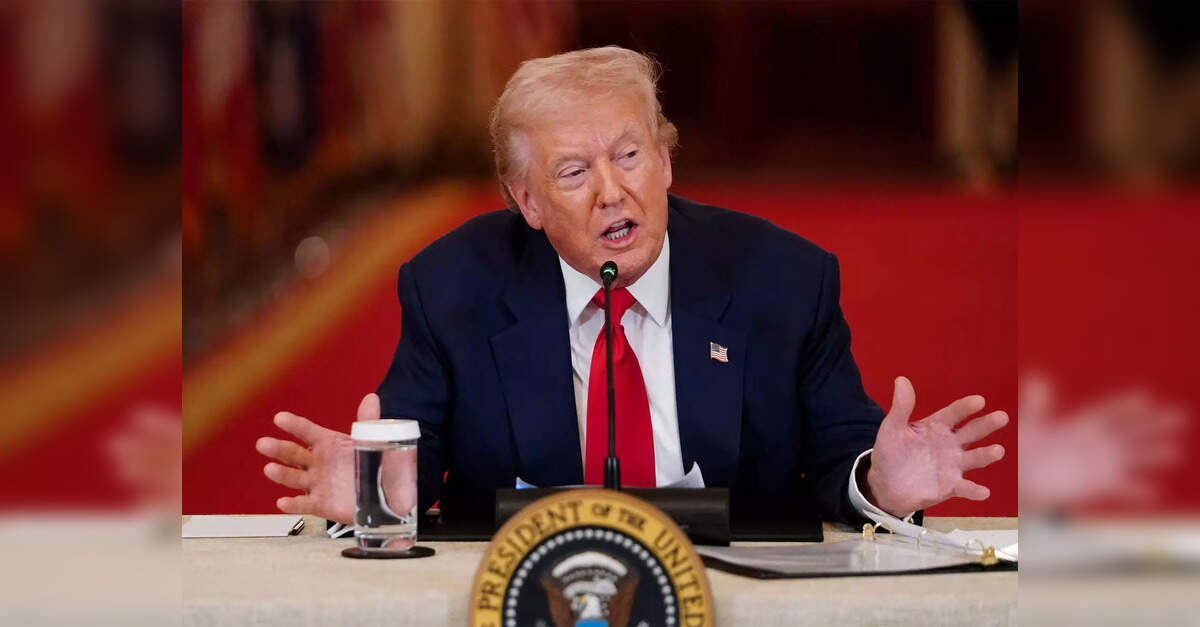
The Strait of Hormuz, a critical maritime chokepoint, has once again become the epicenter of global energy market anxiety. Following a significant geopolitical escalation in the region, including a US-Israeli attack on February 28th and Iran’s subsequent blockade, the world is grappling with the potential for severe supply disruptions. US President Donald Trump has called upon allies to help secure this vital waterway, through which approximately one-fifth of global energy supplies typically flow. This renewed threat to a passage historically responsible for enabling oil and gas exports from major producers like Kuwait, Iraq, Qatar, and the UAE, introduces a layer of volatility that demands careful consideration from energy investors. The implications extend far beyond crude barrels, touching upon global economic stability and even food security, making a nuanced understanding of current market conditions and forward-looking catalysts essential.
Market Reaction Amidst Elevated Geopolitical Tensions
While the threat to the Strait of Hormuz represents a significant geopolitical flashpoint, the immediate market reaction has shown a complex interplay of fear and other underlying factors. Brent crude, which climbed above $101 per barrel earlier this month, has actually seen a notable cooling, trading today at $92.9, reflecting a slight dip of 0.36% within a day range of $92.57 to $94.21. Similarly, WTI crude stands at $89.25, down 0.47% for the day. This recent trend, with Brent falling from $101.16 on April 1st to $94.09 by April 21st, indicates that while the market is undoubtedly sensitive to Middle East instability, it is simultaneously weighing a broader range of supply-demand dynamics and economic signals. The brief surge in oil prices to their highest levels since 2022 earlier this week underscored the initial shock, but sustained upward momentum is being tempered. Investors must recognize that while the risk premium for crude remains high, the absence of a dramatic spike suggests a market still assessing the longevity and severity of the blockade, potentially anticipating alternative supply routes or a swifter resolution than initially feared.
Iran’s Strategic Calculus and the Challenge of Reopening the Strait
The current blockade of the Strait of Hormuz is not an isolated incident but rather a culmination of escalating tensions and a shift in Iran’s strategic posture. Iranian officials have described the ongoing conflict as existential, leading to the hardline Islamic Revolutionary Guard Corps (IRGC) taking a more prominent role in strategy. This marks a departure from previous warnings in 2011, 2016, and 2018, which analysts often viewed as a measure of last resort due to the potential for severe retaliation against Iran’s own energy sector. The February 28th attack, culminating in the killing of its supreme leader, appears to have fundamentally altered this equation. Reopening the strait presents a formidable challenge. The shipping lanes themselves are exceptionally narrow, at just two nautical miles wide, forcing colossal tankers to navigate precise turns near Iranian islands and a mountainous coastline that offers natural cover for Iranian forces. Despite the diminished conventional capabilities of Iran’s navy, the IRGC possesses a significant arsenal of asymmetric warfare tools, including fast-attack craft, mini-submarines, naval mines, and even explosive-laden jet skis, as highlighted by shipping intelligence. This combination of geography and unconventional capabilities makes any attempt to forcefully clear or secure the strait fraught with danger and high potential for prolonged disruption.
Investor Concerns and Broader Economic Repercussions
The uncertainty surrounding Hormuz is reverberating through investor sentiment, with our proprietary data indicating a strong focus on price direction and long-term forecasts. Investors are actively asking about the immediate trajectory of WTI and what impact this geopolitical event will have on end-of-year oil price predictions. The current volatility, with Brent trading at $92.9, directly influences these outlooks, especially considering the United Nations’ warnings that sustained high oil prices could trigger another cost-of-living crisis, akin to the one experienced after the 2022 invasion of Ukraine. Beyond energy, the implications for global food security are also acute. Approximately 33% of the world’s fertilizers, including critical components like sulphur and ammonia, transit through the Strait. A prolonged conflict and blockade could precipitate a severe fertilizer shock, threatening agricultural output worldwide. This scenario, reminiscent of the global economic crises that followed the Middle East oil shocks of the 1970s, underscores the interconnectedness of energy, economy, and global stability. Investors are rightly concerned about the potential for widespread inflationary pressures and a slowdown in global growth if this critical artery remains choked.
Forward Catalysts and the Path Ahead
As the market digests the ongoing situation in the Strait of Hormuz, several upcoming data releases and events will be crucial for investors seeking clarity and direction. The EIA Weekly Petroleum Status Report, scheduled for release today, April 22nd, and again on April 29th, will provide critical insights into US crude oil, gasoline, and distillate inventories. Any significant build or draw in these inventories will be scrutinized for signs of demand destruction or unforeseen supply tightness, particularly given the current geopolitical backdrop. Furthermore, the Baker Hughes Rig Count, due on April 24th and May 1st, will offer a granular view of North American production activity, potentially signaling the market’s capacity to offset some of the Middle Eastern supply risk. Looking slightly further ahead, the EIA Short-Term Energy Outlook on May 2nd will present a comprehensive forecast of global supply and demand balances, providing a broader perspective on the market’s resilience and vulnerability. The interplay between these fundamental data points and the evolving geopolitical situation in the Persian Gulf will dictate price action. Investors should monitor these releases closely, as they will provide essential context for assessing the potential duration and impact of the Hormuz threat on the global energy landscape and, by extension, their portfolios.


