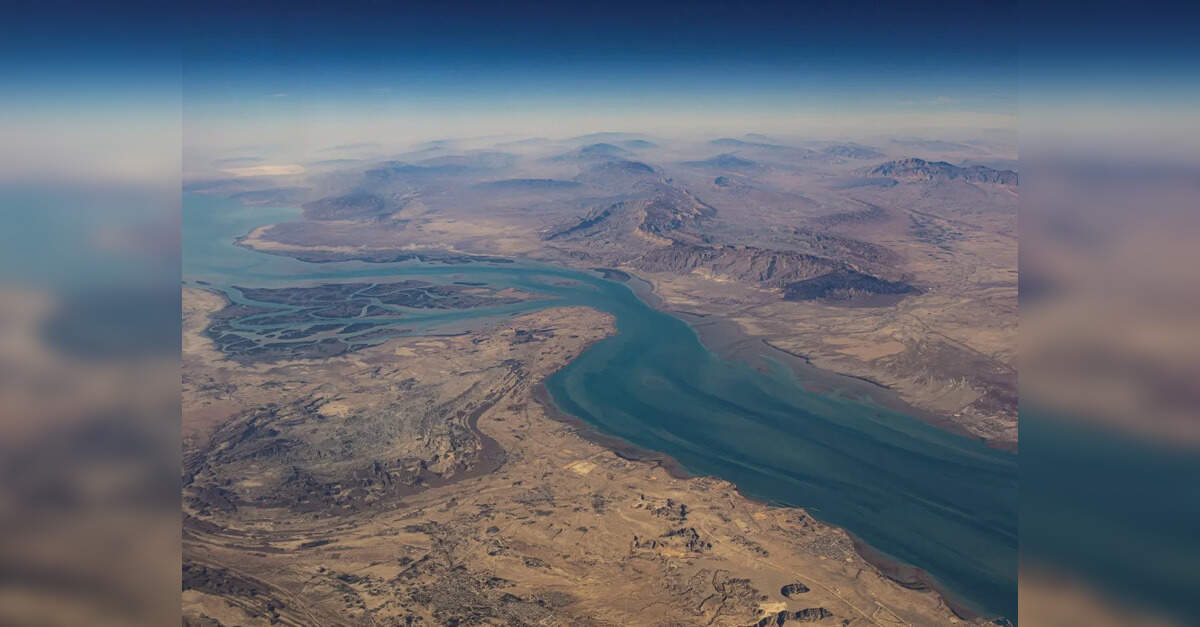
The Strait of Hormuz stands as a singular artery for global energy flow, a narrow maritime chokepoint that, despite its modest two-mile-wide shipping lanes, funnels approximately 20% of the world’s crude oil and liquefied natural gas (LNG). This critical passage, nestled between Iran and Oman, connects the Persian Gulf to the Arabian Sea, making it indispensable for Middle Eastern producers like Saudi Arabia, Iraq, and Qatar to access international markets. For oil and gas investors, understanding the inherent geopolitical risks associated with this chokepoint is not merely academic; it is fundamental to assessing market volatility, supply security, and the long-term investment landscape, particularly for the energy-hungry economies of Asia.
Asia’s Unrivaled Vulnerability to Hormuz Disruption
The strategic importance of the Strait of Hormuz is acutely felt across Asia, where nations are uniquely susceptible to any disruptions in this vital waterway. Our analysis underscores that four Asian powerhouses – China, India, Japan, and South Korea – collectively account for a staggering 75% of the oil and 59% of the LNG transiting the strait. This concentration of demand creates a profound energy security challenge, translating directly into heightened investment risk for companies operating within or supplying these regions.
Japan, a highly industrialized nation heavily reliant on imported energy, faces the highest individual risk profile from potential Hormuz disruptions. Following closely are South Korea and India, both significant and growing energy consumers whose economic stability is deeply intertwined with uninterrupted access to Middle Eastern supplies. China and India, specifically, stand out as the largest single destinations for both oil and LNG originating from the Persian Gulf via Hormuz. Any significant impediment to this flow, whether due to geopolitical tensions or maritime incidents, would not only trigger an immediate surge in global energy prices but also severely test the economic resilience and strategic reserves of these critical Asian markets. For investors, this means that companies with significant exposure to these economies, or those involved in the logistics and trading of energy commodities to these regions, carry an elevated risk premium.
Navigating Current Market Volatility Amid Geopolitical Shadows
The persistent geopolitical risks emanating from critical chokepoints like the Strait of Hormuz often cast a long shadow over energy markets, influencing prices even in the absence of an active crisis. As of today, Brent crude is trading at $94.09 per barrel, reflecting a modest daily gain of 0.91% within a range of $93.52 to $94.21. This daily uptick, however, follows a notable contraction, with Brent having declined by approximately 7% from $101.16 on April 1st to its current level over the past two weeks. Similarly, WTI crude stands at $90.59, up 1.03% today, navigating its own intraday range of $89.71 to $90.70.
This recent market softness in crude prices, despite the underlying geopolitical tensions, highlights the complex interplay of demand concerns, inventory levels, and broader macroeconomic sentiment. However, the omnipresent threat of a Hormuz disruption acts as a powerful floor, preventing deeper declines and maintaining a significant risk premium. Should any incident escalate in the strait, the market could witness an immediate, sharp upward correction, demonstrating just how quickly latent geopolitical risks can materialize into tangible price shocks. Investors must remain vigilant, understanding that current prices, while influenced by immediate supply-demand dynamics, perpetually carry the imprint of potential supply chain vulnerabilities.
Anticipating Future Shifts: Key Data Points on the Horizon
For strategic energy investors, a forward-looking perspective is paramount. While the shadow of Hormuz risk is constant, upcoming market events will provide crucial insights into the fundamental supply and demand landscape, helping to contextualize and quantify potential impacts. The next two weeks are particularly rich with data releases that could shape market sentiment and investor decisions.
The EIA Weekly Petroleum Status Reports, scheduled for April 22nd, April 29th, and May 6th, are critical barometers for U.S. crude oil and product inventories, refinery utilization rates, and demand trends. These reports offer a granular view of the world’s largest consumer market. Concurrently, the Baker Hughes Rig Count, due on April 24th and May 1st, will provide updated signals on North American production activity, indicating potential shifts in future supply. Perhaps most significantly, the EIA Short-Term Energy Outlook on May 2nd will offer updated projections for global supply, demand, and prices, providing a comprehensive framework for assessing market balances.
Should these reports indicate a tightening of global supply, perhaps due to lower than expected production or stronger than anticipated demand, any geopolitical flare-up in the Strait of Hormuz would have an even more amplified effect on prices. Conversely, signs of robust supply and easing demand could provide some cushion against potential disruptions, though the core risk remains. Savvy investors will be closely monitoring these releases, using them to refine their risk models and portfolio strategies in light of the persistent Hormuz vulnerability.
Addressing Investor Concerns: Strategy in an Uncertain Market
Our proprietary reader intent data reveals a common thread among investors this week: a palpable desire to understand future price direction. Questions like “is WTI going up or down?” and requests for “oil price predictions by end of 2026” underscore a market grappling with uncertainty and seeking clarity. While definitive price forecasts are elusive, integrating the persistent Hormuz threat into one’s investment thesis is non-negotiable for navigating these waters effectively.
For investors eyeing specific energy companies, such as Repsol, assessing their exposure to Middle Eastern supply chains, their diversification strategies, and their resilience to geopolitical shocks becomes paramount. Companies with diversified sourcing, robust logistics, and strong balance sheets are better positioned to weather potential disruptions. The overarching lesson from the Hormuz situation is the critical need for diversification, not just geographically in terms of energy sources, but also in portfolio holdings to mitigate concentration risk.
Ultimately, the enduring risk associated with the Strait of Hormuz serves as a constant reminder of the fragility of global energy supply chains. For investors, success in this environment hinges on a holistic understanding of geopolitical factors, a keen eye on fundamental market data, and a commitment to strategic, risk-adjusted portfolio construction. Vigilance, informed analysis, and adaptability remain the pillars of profitable energy investing in a world where critical chokepoints can dictate global market dynamics.


