Geopolitical Deadlock Deepens, Casting Long Shadow Over Global Oil Markets
The intricate dance between the United States and Iran has once again faltered, with efforts to re-engage in peace discussions coming to a grinding halt. This diplomatic stalemate, now extending into its second month, amplifies uncertainty across global energy markets, particularly impacting critical supply routes and driving a persistent geopolitical risk premium.
Washington recently withdrew its offer for senior envoys to visit Pakistan, a nation earmarked to host mediated talks. President Donald Trump publicly indicated Iran’s latest proposal fell short of expectations, stating via social media, “Too much time wasted on traveling,” and adding, “If they want to talk, all they have to do is call.” This swift retraction signals a hardening stance from the U.S. side, prioritizing direct communication over facilitated negotiations.
Tehran, however, has swiftly responded by doubling down on its own preconditions. President Masoud Pezeshkian emphatically declared that Iran would not submit to “imposed negotiations under threats or blockade.” This firm position underscores the considerable chasm separating the two nations and suggests any path to de-escalation will require significant concessions from either party.
Strait of Hormuz: A Choke Point Under Duress
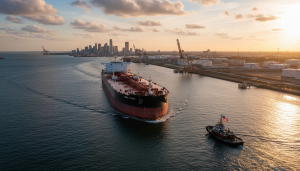
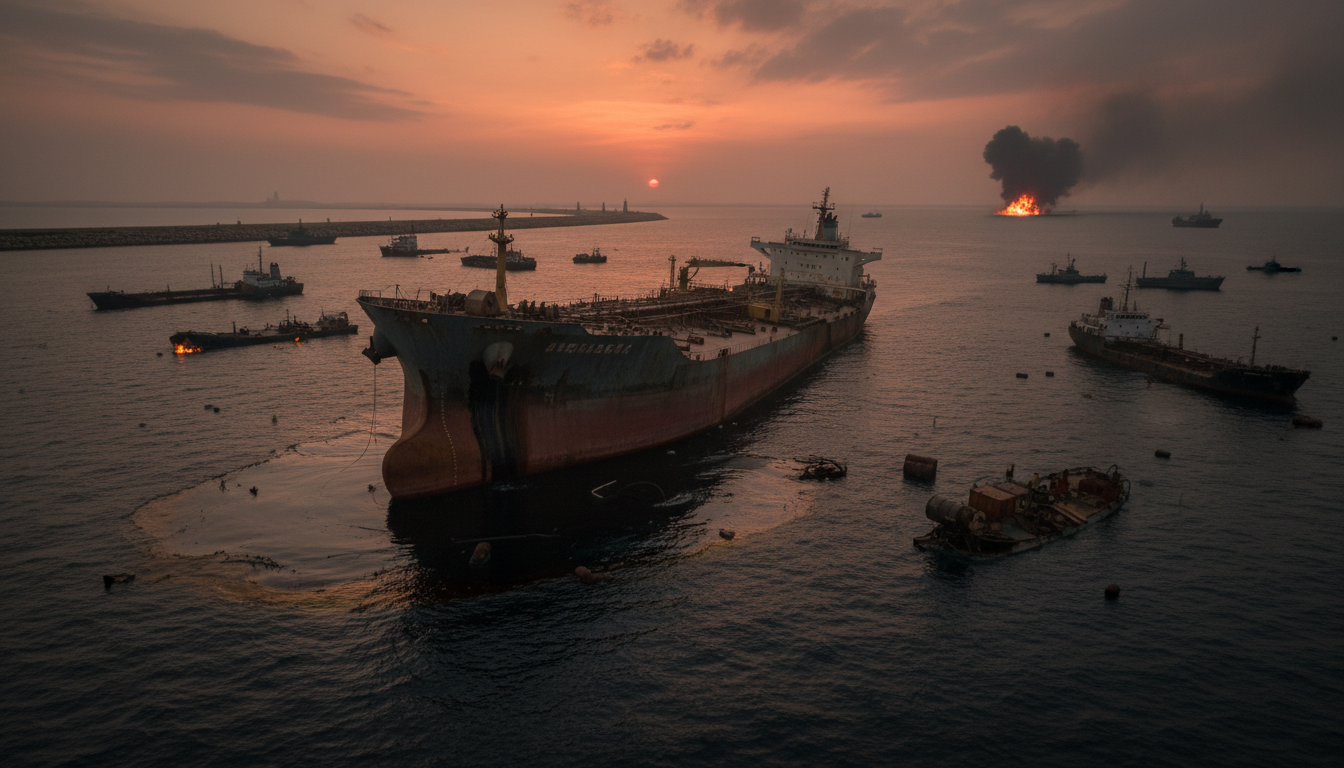
While a fragile ceasefire has largely endured since early April, the strategic Strait of Hormuz remains effectively closed to normal traffic. Both the U.S. and Iran continue to enforce a regime of restrictions within this vital waterway. This dual blockade has brought tanker traffic, historically one of the highest-volume oil flows globally, to a near standstill. The implications for energy investors are profound, as the Strait is typically responsible for channeling approximately one-fifth of the world’s total oil supply.
The persistent disruption extends beyond crude oil, severely constraining shipments of liquefied natural gas (LNG). This tightening of global energy balances exacerbates concerns about supply security and price stability, forcing market participants to recalibrate their risk assessments and adjust supply chain logistics.
For any substantive progress, Iran has articulated a clear set of demands for returning to the negotiating table. These include the immediate lifting of the blockade, financial compensation for damages incurred during the conflict, and robust guarantees against future military interventions. As of now, U.S. officials have not issued a public response to these conditions, leaving the diplomatic pathway obscured.
Enforcement Actions and Regional Volatility Persist
In parallel with the diplomatic deadlock, military and enforcement activities in the region show no signs of abating. U.S. forces recently intercepted another vessel in the Arabian Sea, an action consistent with ongoing efforts to curb Iran’s energy exports. According to U.S. Central Command, dozens of ships have been redirected or turned back since the initial imposition of the blockade, demonstrating a sustained commitment to restricting Iranian maritime trade.
Iran, for its part, continues to assert its presence and maintain pressure within the Gulf. The deployment of smaller naval vessels to challenge commercial shipping and the reinforcement of its own passage restrictions through Hormuz underscore a calculated strategy to disrupt normal maritime operations. This tit-for-tat enforcement has drastically reduced overall maritime traffic, contributing directly to a growing global supply shortfall and amplifying logistical complexities for buyers worldwide.
The ripple effect of these disruptions is significant for commodity traders and refiners. Energy buyers are actively scrambling to secure alternative crude and LNG cargoes, frequently incurring higher costs associated with longer transit times and increased insurance premiums for rerouted shipments outside the Persian Gulf. This scramble for diversified supply sources strains an already taut global energy infrastructure.
Broader Regional Instability and Investor Outlook
The U.S.-Iran impasse is not an isolated incident but rather unfolds against a backdrop of elevated regional tensions. Ongoing military activities involving Israel and Hezbollah further contribute to the broader instability across the Middle East. For investors in the oil and gas sector, this confluence of factors translates into an environment of heightened geopolitical risk, necessitating vigilant monitoring of regional developments.
Looking ahead, the stalled diplomacy combined with the enduring restrictions in the Strait of Hormuz strongly indicates that significant supply disruptions will likely persist in the near term. While both sides appear keen to avoid a full-scale return to hostilities, the current operational environment within the Strait represents a de facto, low-intensity economic conflict with tangible consequences for global energy markets. Investors should brace for continued market volatility and factor in a sustained geopolitical premium as long as this deadlock persists, influencing everything from crude benchmarks to refining margins and LNG contract pricing.