

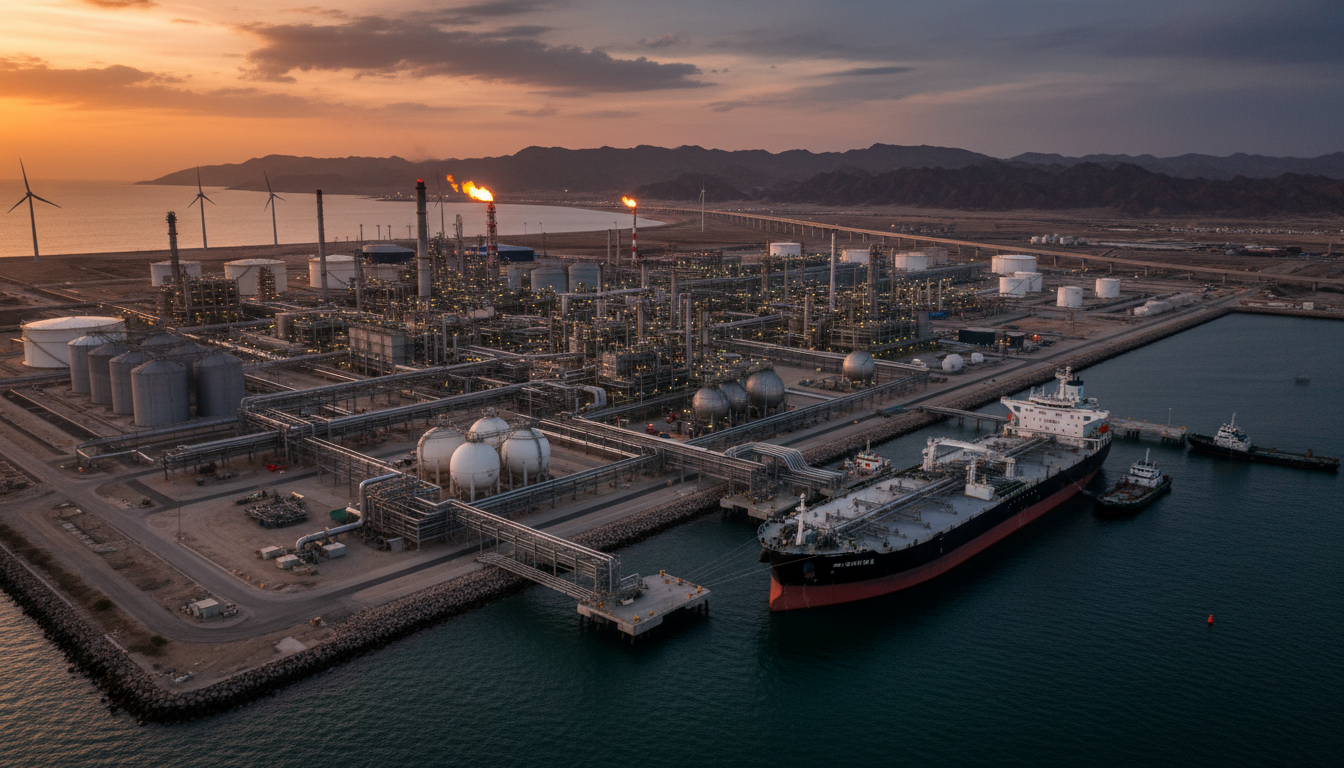
Global energy markets are abuzz with significant developments concerning the Strait of Hormuz, as reports indicate a potential immediate ceasefire plan has been conveyed to both the United States and Iran through Pakistani intermediaries. This crucial proposal, dubbed the ‘Islamabad Accord’, aims to swiftly reopen the world’s most critical oil and liquefied natural gas (LNG) chokepoint, a move with profound implications for international trade and energy security.
Sources with direct knowledge of the negotiations reveal that this provisional agreement could activate as early as today, initiating an immediate cessation of hostilities. This initial ceasefire period is designed to create a conducive environment for deeper diplomatic engagement, allowing for up to 15-20 additional days of talks to forge a comprehensive, lasting resolution. Investors in the energy sector and global supply chain logistics are scrutinizing these developments, understanding that even a provisional agreement could significantly de-risk maritime transit through the Strait.
The unfolding diplomatic efforts come on the heels of earlier discussions regarding a potential 45-day ceasefire, details of which were being ironed out between the U.S., Iran, and regional mediators. This suggests a multi-layered approach to de-escalation, where an immediate, short-term measure paves the way for a more structured, medium-term arrangement.
Key Players Driving Diplomatic Efforts
Behind these sensitive negotiations are high-level officials working tirelessly to bridge the divide. Pakistan’s Chief of Army Staff, Field Marshal Asim Munir, has reportedly maintained continuous communication with key figures, including Iran’s Foreign Minister Abbas Araqchi, U.S. Vice President JD Vance, and special U.S. envoy Steve Witkoff. These round-the-clock discussions underscore the urgency and strategic importance attributed to resolving the current standoff and ensuring unimpeded passage through the Strait of Hormuz.
The timing of these proposed ceasefire plans is particularly notable, emerging hours after a robust public exchange of threats between the U.S. and Iran. U.S. President Donald Trump had issued a stark warning via social media, vehemently demanding the immediate reopening of the Strait of Hormuz, which was freely accessible to vessel traffic prior to February 28. President Trump’s message conveyed an aggressive ultimatum, predicting an unprecedented “Power Plant Day, and Bridge Day” for Iran, and warning of dire consequences if the Strait remained closed, declaring, “you’ll be living in Hell – JUST WATCH!”
Iran, in turn, swiftly dismissed these threats, with senior military officer General Ali Abdollahi Aliabadi responding that “the gates of hell will open for you” in retaliation. Adding to the defiance, official Iranian social media accounts publicly mocked the U.S. demand, with the Iranian Embassy in Zimbabwe famously posting, “We’ve lost the keys,” in response to the call to open the Strait.
The Critical Importance of the Strait of Hormuz
The Strait of Hormuz is more than just a waterway; it is an indispensable artery for global energy flow, connecting the Persian Gulf to the open ocean. Approximately one-fifth of the world’s total petroleum consumption, including crude oil, refined products, and liquefied natural gas (LNG), transits through this narrow passage daily. Disruptions here send ripple effects across international oil markets, driving up crude oil prices, increasing shipping insurance costs, and adding volatility to global supply chains.
Beyond oil and LNG, the Strait is also vital for the movement of critical industrial commodities such as ammonia, sulfur, and helium. Any prolonged closure or increased security risk in this area can severely impact petrochemical industries, agricultural sectors reliant on fertilizers, and high-tech manufacturing globally. For investors, understanding the strategic vulnerability of this maritime chokepoint is paramount when assessing geopolitical risk and its potential impact on energy investments, shipping stocks, and broader market stability.
Challenges to Normalization and Investor Outlook
While an immediate ceasefire and the theoretical reopening of the Strait would be a welcome development, market participants must temper expectations regarding a swift return to pre-disruption normalcy. Industry experts caution that even with an unconditional reopening, several months would be required to fully normalize the flows of oil, petroleum products, LNG, and other critical commodities. This normalization process involves complex logistical challenges, including the rescheduling of countless vessels, adjustment of shipping routes, recalibration of insurance premiums, and the replenishment of inventories across numerous receiving terminals worldwide.
For energy investors, this means that even a diplomatic breakthrough might not immediately translate into a significant easing of market tightness or a dramatic fall in crude oil prices. The lingering effects of disrupted maritime security and the time needed for the shipping industry to regain full confidence in the Strait’s safety will likely sustain a degree of risk premium in energy prices for the foreseeable future. Companies with significant exposure to Middle Eastern crude or LNG imports, as well as those in the global shipping and logistics sectors, will remain sensitive to every nuance of these ongoing diplomatic efforts.
The ‘Islamabad Accord’ represents a crucial opportunity for de-escalation in a region fraught with geopolitical tensions. While the path to a comprehensive agreement remains challenging, the willingness of all parties to engage in dialogue, mediated by Pakistan, signals a potential shift away from escalating rhetoric towards diplomatic solutions. Investors must continue to monitor these developments closely, as the stability of the Strait of Hormuz directly influences the stability and predictability of global energy markets and supply chain resilience.
