

Strait of Hormuz Gridlock: India’s Energy Security Under Threat Amid Rising Regional Tensions
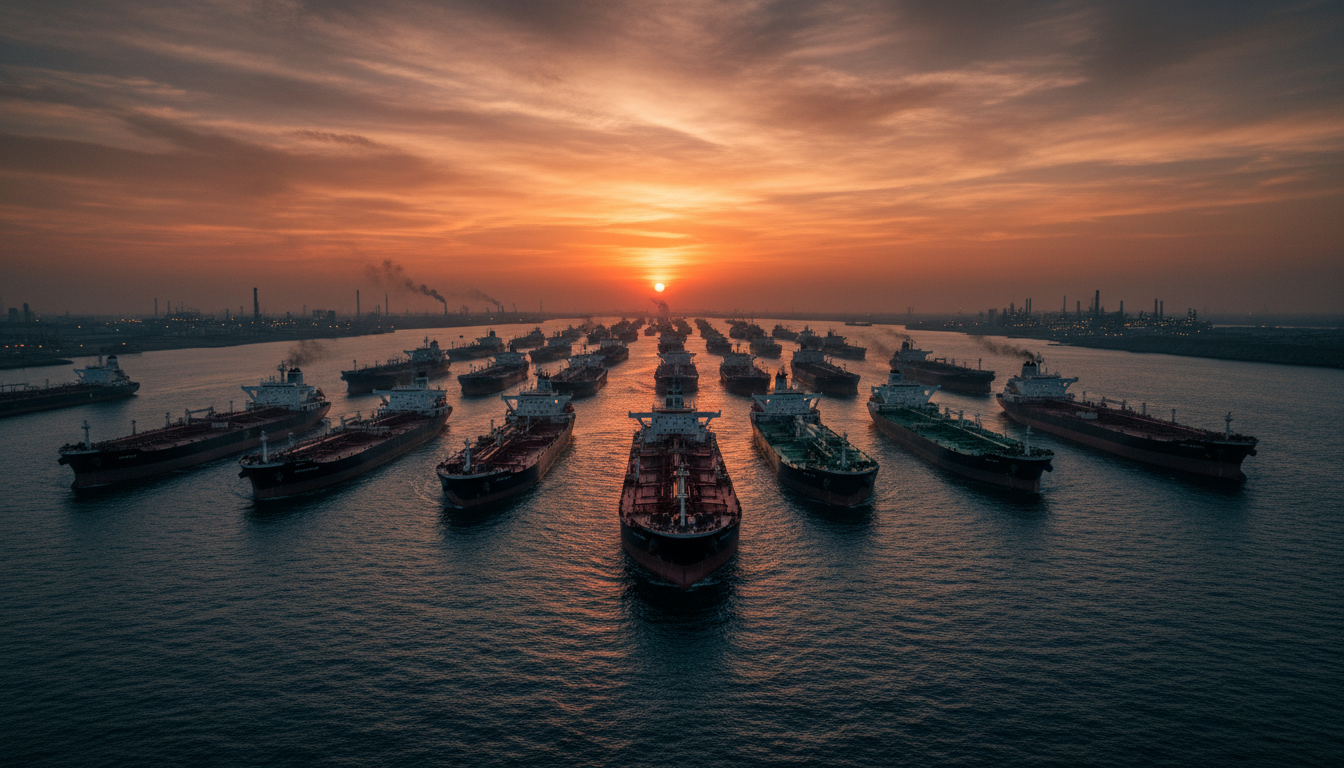
Investors in the global energy sector are closely monitoring a significant disruption in one of the world’s most critical maritime chokepoints: the Strait of Hormuz. Recent confirmations from the Indian government reveal that a substantial fleet of 28 commercial vessels, carrying crucial crude oil, liquefied petroleum gas (LPG), and liquefied natural gas (LNG) cargoes destined for India, currently finds itself stranded near the strategic waterway. This bottleneck underscores the acute vulnerabilities within global energy supply chains and poses immediate concerns for India, the world’s third-largest crude oil importer and a nation heavily reliant on LPG for its domestic energy needs.
The scale of this maritime impasse is considerable, directly impacting India’s vital commodity imports. According to Rajesh Kumar Sinha, Special Secretary in the Indian Ministry of Ports, Shipping and Waterways, the stranded fleet comprises a diverse mix of international and Indian-flagged vessels. Specifically, ten foreign-flagged cargoes, all inbound with supplies for India, are affected. This subset includes four crude oil tankers, three LPG carriers, and three LNG carriers, highlighting the broad impact across various energy commodities essential for the Indian economy.
A Closer Look at the Stranded Fleet’s Composition
Beyond the international contingent, eighteen India-flagged ships are also anchored around the Strait of Hormuz, directly reflecting India’s own shipping assets caught in the geopolitical crosscurrents. This domestic fleet includes four crude oil tankers, three LPG carriers, and one LNG vessel. Furthermore, another Indian-flagged tanker is currently engaged in loading LPG within the region, indicating ongoing operations also facing potential delays. Emphasizing a critical human element amidst this logistical challenge, Indian authorities have confirmed the safety of all 485 Indian seafarers aboard these vessels, a reassuring detail for stakeholders monitoring the situation.
The root cause of this alarming situation is the escalating conflict in the Middle East, which has reverberated through maritime commerce, particularly impacting the consistent flow of energy supplies typically traversing the Strait of Hormuz. For India, this disruption translates into an immediate crunch in its oil and gas supply, a scenario that holds profound implications for both industrial operations and household consumption across the subcontinent. India’s heavy dependence on LPG as its primary cooking fuel means any sustained interruption could have widespread societal and economic repercussions, making this a high-priority issue for New Delhi and a key watch point for energy market participants.
India’s Strategic Imperative: Securing Passage and Mitigating Risk
In response to this developing crisis, the Indian government has articulated a clear priority: to ensure the safe and unimpeded passage of its India-flagged vessels, especially those carrying critical cargoes such as LPG. This strategic focus reflects not only the immediate need to secure energy supplies but also a broader imperative to safeguard its maritime interests in a volatile region. Investors should note that while diplomatic efforts are underway, the geopolitical complexities surrounding the Strait of Hormuz present ongoing risks to shipping and commodity flows, potentially influencing spot prices and futures contracts for crude, LNG, and LPG.
Despite the current gridlock, there have been some recent glimmers of progress that offer cautious optimism. Over the past few days, eight India-flagged vessels have successfully transited the Strait of Hormuz, demonstrating that passage, albeit potentially restricted or under specific conditions, is possible. Among these successfully navigated ships were two crucial LPG carriers, which are now anticipated to arrive in India on Tuesday and Wednesday, respectively. This demonstrates a potential, albeit limited, easing of transit conditions for specific vital cargoes.
Further reinforcing this cautiously positive outlook, two other India-flagged vessels transporting LPG managed to pass through the Strait of Hormuz early last week. These transits occurred notably close to the Iranian coastline, a detail that market observers interpret as a deliberate signal, suggesting that Iran is, under certain circumstances, permitting specific Indian vessels to traverse this vital chokepoint for global energy flows. Such developments, while not guaranteeing a full return to normalcy, provide crucial insights into the evolving dynamics of regional maritime control and the potential for a phased de-escalation of transit restrictions.
Investment Implications: Navigating Geopolitical Headwinds
For investors, the situation in the Strait of Hormuz serves as a potent reminder of the inherent geopolitical risks embedded in the global energy supply chain. The potential for prolonged disruptions could lead to heightened volatility in crude oil prices, create supply tightness in the LPG market, and impact LNG spot rates. Companies with significant shipping operations or those heavily exposed to Indian energy demand could face increased operational costs or supply chain uncertainties. Furthermore, the incident highlights the strategic importance of energy diversification and the development of alternative trade routes, though such solutions often come with significant lead times and capital expenditure.
Market participants should closely monitor official statements from regional powers and international bodies, as well as tracking real-time maritime intelligence. The ability of India to consistently secure passage for its energy imports through this crucial waterway will be a key indicator of regional stability and its impact on global commodity prices. While immediate humanitarian concerns regarding seafarer safety have been addressed, the financial implications of delayed cargoes, increased insurance premiums, and potential rerouting costs will weigh on profitability for shipping companies and energy traders alike. This ongoing situation underscores the necessity for robust risk management strategies within the oil and gas investment landscape, especially when dealing with regions prone to geopolitical instability.
