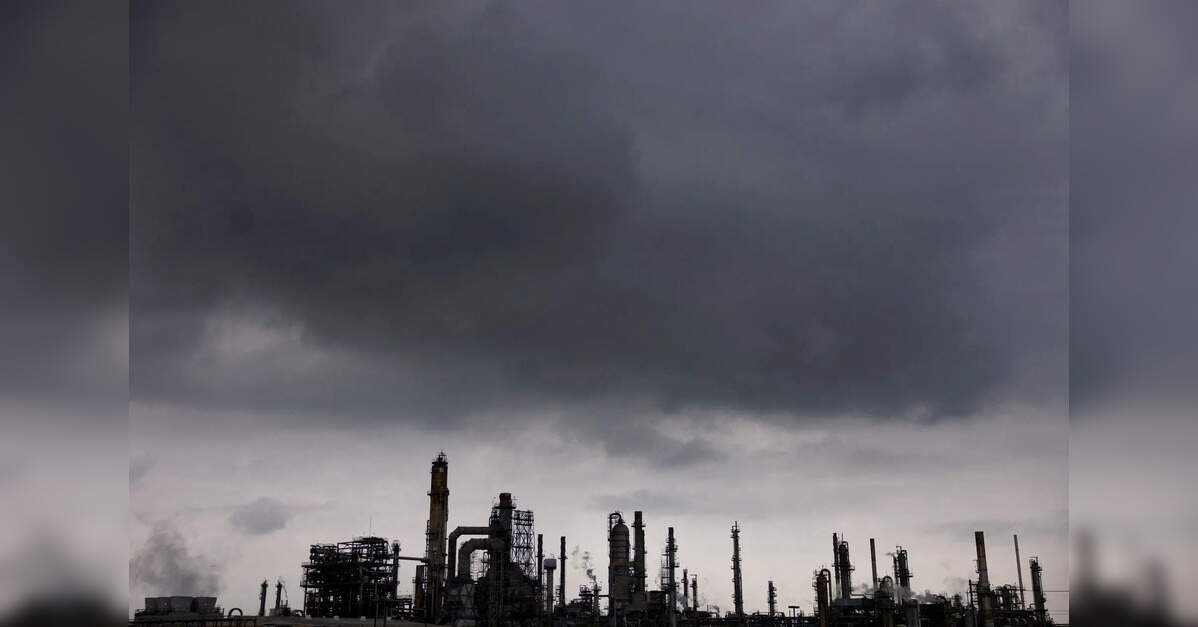
The impending 40-day maintenance shutdown of HPCL-Mittal Energy Ltd (HMEL)’s 226,000 barrels per day (bpd) Bathinda refinery, slated for early November, presents a significant, albeit localized, disruption to India’s downstream sector. This planned outage, which includes crucial unit upgrades, comes at a pivotal moment for global energy markets, demanding close attention from investors. While a single refinery’s downtime might seem granular, its timing and scale within one of the world’s fastest-growing energy consumers have broader implications for product supply, regional refining margins, and the delicate balance of crude demand, requiring a nuanced analytical approach to position portfolios effectively.
The Direct Impact on India’s Product Supply and Regional Dynamics
The HMEL Bathinda refinery, a substantial asset in northern Punjab with a capacity of 226,000 bpd, represents a notable chunk of India’s refining throughput. Its 40-day cessation of operations, commencing in early November, implies a significant reduction in the availability of key petroleum products, including gasoline and diesel, within the region. For investors, this translates directly into potential tightening of product markets in northern India. Over the 40-day period, this outage effectively removes approximately 9 million barrels of refined products from the market (226,000 bpd * 40 days). While India boasts considerable refining capacity overall, such a sustained reduction from a single facility often necessitates increased product imports or diversions from other domestic refineries, potentially impacting logistics costs and regional pricing benchmarks. Companies with robust product import capabilities or those operating refineries positioned to backfill this deficit could see an uplift in margins, while those heavily reliant on Bathinda’s output for their supply chains may face challenges. This event also highlights the ongoing need for strategic refinery upgrades to maintain operational efficiency and meet evolving fuel standards, a capital expenditure trend investors should track across the sector.
Navigating Crude Volatility Amidst Refining Adjustments
The HMEL maintenance arrives at a dynamic juncture for crude oil markets. As of today, Brent crude trades at $99.64, marking a significant 4.96% increase within the day, while WTI sits at $91.57, up 3.9%. This upward swing follows a notable 14-day downtrend where Brent shed 12.4%, falling from $108.01 on March 26th to $94.58 by April 15th. The Bathinda outage, though specific to one facility, adds a layer of complexity to refining demand at a time when crude prices are actively reacting to various global inputs. A 226,000 bpd refinery going offline means a temporary dip in crude demand from this specific buyer, which, while small on a global scale, contributes to the demand-side narrative. However, the potential for higher product prices in India due to reduced supply could concurrently support refining margins for other operational facilities, creating a mixed signal for integrated oil companies. Investors must recognize that while the immediate crude demand impact from HMEL is limited, the ripple effects on product markets could influence the broader sentiment, especially regarding Asian demand resilience.
Forward-Looking Strategies and Upcoming Market Catalysts
For investors positioning ahead of HMEL’s November shutdown, the coming weeks present a concentrated series of critical energy events that will undoubtedly shape market dynamics. The upcoming OPEC+ Joint Ministerial Monitoring Committee (JMMC) meeting on April 18th, followed by the Full Ministerial Meeting on April 20th, are paramount. Any signals or decisions regarding production policy from these gatherings will directly influence crude benchmarks and, consequently, global refining economics. Furthermore, the regular API Weekly Crude Inventory reports (April 21st and 28th) and the EIA Weekly Petroleum Status Reports (April 22nd and 29th) will provide crucial, real-time insights into U.S. supply-demand balances. These reports, often bellwethers for global sentiment, can trigger significant price movements, impacting hedging strategies and commodity exposures. Investors must monitor these events closely, as they will define the price environment leading into the fourth quarter, influencing how the market absorbs the HMEL outage and its downstream consequences. The strategic importance of these calendar events cannot be overstated for crafting robust investment theses.
Addressing Investor Concerns: Refining Throughput and Price Forecasts
Our proprietary reader intent data reveals a strong focus this week on building a base-case Brent price forecast for the next quarter, alongside deep dives into global refining activity, specifically how facilities like Chinese ‘tea-pot’ refineries are performing. This planned HMEL maintenance provides a timely real-world example of factors directly influencing refining throughput and, by extension, global crude demand projections. While the Bathinda shutdown is specific to India, it underscores the inherent fragility and interconnectedness of global refining capacity. The temporary removal of 226,000 bpd of refining capacity, especially in a demand-heavy region like India, forces a recalibration of product availability and pricing, a key component in any robust Brent forecast model. Investors are rightly questioning how such planned outages, combined with broader macroeconomic signals and geopolitical developments, will affect the overall crude-product spread and the global supply-demand balance. The consensus 2026 Brent forecast remains a moving target, constantly adjusted by these real-world operational factors and the cumulative effect of regional disruptions on global flows and pricing.
Conclusion: Strategic Vigilance in a Dynamic Market
The HMEL Bathinda refinery’s 40-day maintenance outage in early November is more than just an operational detail; it’s a critical data point for oil and gas investors. It highlights the sensitivity of regional product markets, the inherent volatility of crude prices, and the necessity of monitoring both planned and unplanned supply disruptions. Against a backdrop of fluctuating crude benchmarks and an intense schedule of upcoming market-moving events, this localized Indian event will contribute to the broader narrative of supply-demand dynamics heading into the year’s end. Strategic investors must integrate such operational details into their forward-looking models, recognizing their potential to influence refining margins, trade flows, and ultimately, the profitability of energy investments. Maintaining vigilance and an adaptive investment strategy, grounded in comprehensive market intelligence, remains paramount in navigating these complex and interconnected energy markets.


