The recent arbitration ruling that cleared Chevron’s path to acquire Hess and its critical stake in Guyana’s Stabroek block is more than just a legal victory; it’s a powerful signal illuminating the future of oil and gas investment. This high-stakes legal battle, pitting two industry titans against each other for a coveted low-cost asset, underscores a fundamental shift: the era of abundant, easily accessible frontier oil is receding. What remains is an intense, strategic scramble for a shrinking pool of world-class producing assets. For investors, understanding this dynamic – marked by aggressive M&A, strategic positioning, and a relentless focus on efficiency – is paramount to navigating the evolving energy landscape and identifying long-term value in oil and gas equities.
The Escalating Battle for Premier Production
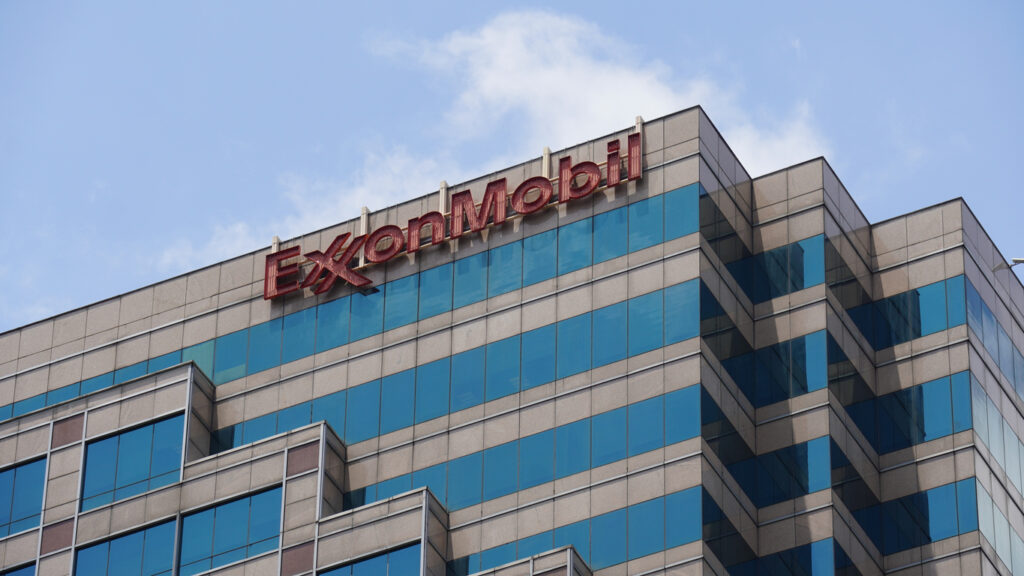
The protracted dispute between Exxon Mobil and Chevron over Hess’s 30% interest in the Stabroek block in Guyana highlights the immense value majors place on securing future production growth from proven, highly profitable fields. This block is a generational asset, boasting an estimated 11 billion barrels of oil equivalent reserves with incredibly low production costs, reportedly around $20 per barrel. Such economics offer significant insulation against price volatility and guarantee robust margins, making it an indispensable target in today’s market. The arbitration, ultimately decided in Chevron’s favor by the International Chamber of Commerce in Paris, validates the company’s $53 billion acquisition of Hess, a move specifically designed to bolster its production profile and maintain competitive parity with larger rivals.
This rivalry extends far beyond South America. Both Exxon and Chevron, with their shared lineage tracing back to Standard Oil, have been engaged in an “arms race” for dominance, particularly in North American shale. Exxon’s strategic acquisition of Pioneer Natural Resources for $60 billion in October 2023 solidified its position as a leading U.S. producer. Chevron swiftly countered, announcing its agreement to acquire Hess just twelve days later, demonstrating the immediacy and intensity of this competitive environment. These mega-deals are not merely about scale; they are about securing core assets that can drive substantial, low-cost production growth, with Chevron targeting over 4 million barrels per day by 2030 (up from 3.4 million bpd in Q1 2025) and Exxon aiming for 5.4 million bpd by the end of the decade (from 4.5 million bpd in Q1).
Market Realities and Investment Outlook
The strategic imperative behind these consolidations is amplified by current market conditions. As of today, Brent crude trades at $94.56, reflecting a minor dip from recent highs, while WTI crude sits at $90.92. This price stability follows a notable correction, with Brent experiencing an 8.8% decline over the past two weeks, dropping from $102.22 on March 25 to $93.22 on April 14. Such fluctuations underscore the market’s sensitivity to supply-demand signals and macroeconomic shifts. In this environment, acquiring assets like Stabroek, with its projected output soaring from 668,000 barrels per day by March 2025 to an astounding 1.3 million bpd by the end of 2027, becomes even more critical. Low production costs protect margins during periods of price weakness and amplify profitability when prices rise, providing a defensive and offensive advantage for major players and attractive returns for shareholders.
Moreover, the global energy sector faces the reality of dwindling undeveloped reserves. Shareholders are increasingly demanding capital efficiency and robust returns, pushing companies towards consolidation and the optimization of existing, high-quality assets rather than risky, high-cost exploration in frontier regions. The struggle for Hess’s Guyanese assets perfectly encapsulates this trend: a fierce competition for proven, profitable production that significantly de-risks future growth. For investors, this means scrutinizing the quality of an oil and gas company’s asset base and its ability to execute strategic M&A to secure long-term, low-cost production. Companies that successfully navigate this environment are better positioned to generate sustainable cash flows and deliver shareholder value, even as gasoline prices currently hover around $2.99 a gallon with slight daily variations.
Addressing Key Investor Questions and Future Supply Dynamics
Our proprietary investor sentiment data reveals a strong focus on future price trajectories, with many investors actively seeking a base-case Brent price forecast for the next quarter and the consensus outlook for 2026. This intense interest is directly impacted by the very M&A activity we’re witnessing. Mega-deals like the Hess acquisition are not merely corporate maneuvers; they fundamentally reshape the future global oil supply landscape. The integration of Stabroek’s substantial and rapidly growing production into Chevron’s portfolio, for instance, will be a significant factor in balancing global supply and demand for years to come. The projected doubling of Stabroek’s output to 1.3 million bpd by late 2027 is a material addition that analysts will incorporate into their long-term supply models.
Beyond headline crude prices, investors are also keenly observing regional demand dynamics, with questions frequently arising about the operational rates of Chinese “tea-pot” refineries and trends in Asian LNG spot prices. These inquiries highlight the interconnectedness of global energy markets. While the Stabroek dispute focuses on crude oil, the broader energy transition and geopolitical landscape mean that demand signals from major consumers like China and the evolving natural gas market significantly influence investment decisions across the entire energy spectrum. Companies that can demonstrate diversified, resilient asset portfolios, capable of delivering strong returns across different commodity cycles and geopolitical scenarios, will be best positioned to satisfy these investor demands for clarity and security.
Navigating Upcoming Market Catalysts
The immediate future holds several key events that could impact crude prices and investor sentiment, further influencing the strategic decisions of major oil and gas companies. The upcoming OPEC+ Joint Ministerial Monitoring Committee (JMMC) meeting on April 18, followed by the Full Ministerial Meeting on April 20, will be closely watched for any signals regarding production policy. Any adjustments to output quotas from these influential producers could significantly shift the short-term supply outlook and, consequently, crude prices.
Domestically, the regular Baker Hughes Rig Count reports, scheduled for April 17 and April 24, will provide fresh insights into North American drilling activity, offering a pulse check on future shale production. Alongside these, the weekly API and EIA inventory reports, due on April 21/22 and again on April 28/29, will offer crucial data on U.S. crude, gasoline, and distillate stockpiles, serving as key indicators of current demand strength. These data points, combined with the long-term strategic plays like the Exxon-Chevron rivalry, create a complex but dynamic environment for oil and gas investors. Understanding the interplay between these short-term catalysts and the overarching trend of strategic consolidation for low-cost, high-return assets is essential for making informed investment decisions in the months ahead.