The Fed’s Rate Cut Conundrum: Implications for Energy Markets
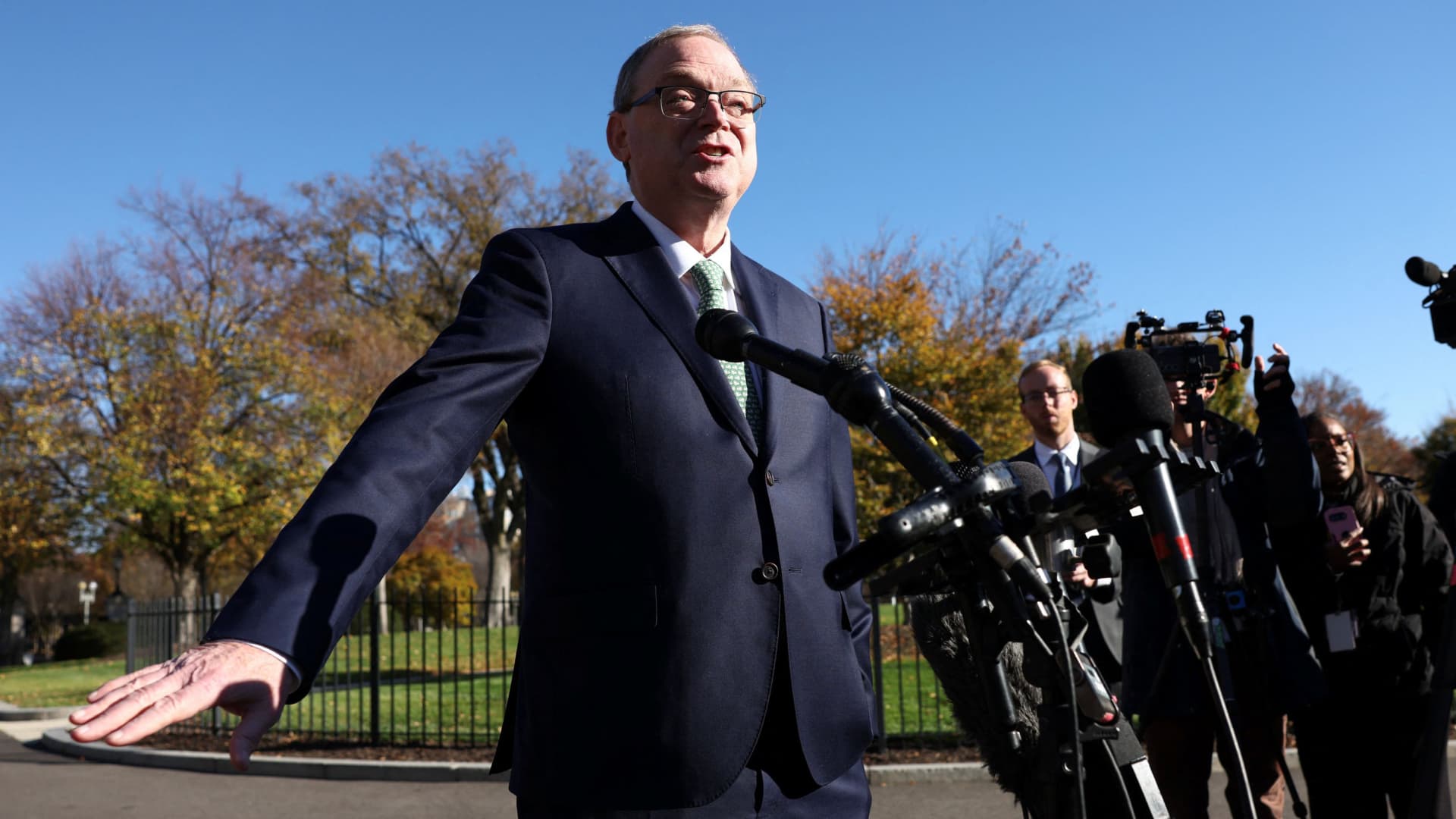
National Economic Council Director Kevin Hassett recently articulated a provocative stance: the Federal Reserve is lagging in its interest rate reductions, despite a surprisingly robust 4.3% U.S. economic growth in the third quarter. This perspective, coming from a leading contender to potentially succeed Federal Reserve Chairman Jerome Powell, carries significant weight for investors tracking the intricate dance between monetary policy and commodity markets. Hassett’s assertion challenges the conventional wisdom, suggesting that an AI-driven economic boom is not only fueling growth but also exerting downward pressure on inflation, thereby justifying a more aggressive approach to easing. For oil and gas investors, understanding this dichotomy – strong economic growth juxtaposed with a perceived overly cautious Fed – is critical for forecasting future demand and market dynamics.
Economic Resilience Meets Monetary Policy Friction
The U.S. economy’s remarkable 4.3% expansion in the third quarter significantly outstripped the Dow Jones consensus of 3.2%, signaling a powerful underlying resilience. Hassett attributes a substantial 1.5% of this growth to President Donald Trump’s tariffs, which he argues reduced the U.S. trade deficit. This growth narrative, however, clashes with the Fed’s cautious approach. While the central bank did implement a quarter-point rate cut on December 10, marking the third such reduction this year, it simultaneously signaled a potentially slower pace for future adjustments. The presence of three dissenting votes – the first since 2019 – underscores the internal divisions within the Fed, with Chairman Powell himself acknowledging the decision as a “close call.” For energy demand, sustained economic expansion is inherently bullish, yet the cost of capital and broader market sentiment remain heavily influenced by the Fed’s perceived willingness to support this growth through accommodative policy.
Market Dynamics: Brent’s Recent Volatility Amidst Policy Uncertainty
The interplay of strong economic signals and the Fed’s measured approach has created a complex environment for crude oil prices. As of today, Brent Crude trades at $90.18, down 0.28% within a daily range of $93.87 to $95.69. WTI Crude similarly reflects this cautious sentiment, standing at $86.65, down 0.88% in its range of $85.50 to $87.47. Gasoline prices, at $3.03, show relative stability for the day. This immediate snapshot, however, masks significant recent volatility. Our proprietary data shows Brent Crude experiencing a substantial decline from $118.35 on March 31 to $94.86 on April 20, representing a nearly 20% drop in just over two weeks. This sharp correction suggests that despite robust economic growth, market participants have been grappling with concerns ranging from global supply overhangs to the potential demand-dampening effects of a Fed perceived as behind the curve on rate cuts, or perhaps a stronger dollar driven by relatively higher U.S. rates compared to other nations. The market is clearly weighing the positive impact of U.S. economic strength against the drag of prolonged tighter monetary conditions and other bearish factors.
Investor Focus: Navigating the Future of Oil Prices
Our internal reader intent data reveals a keen investor focus on the immediate and longer-term trajectory of crude prices. Questions such as “is WTI going up or down?” and “what do you predict the price of oil per barrel will be by end of 2026?” highlight the prevailing uncertainty. Hassett’s outspoken views on the Fed’s independence, coupled with his potential influence on future monetary policy, directly impact this outlook. If Hassett’s perspective gains traction, leading to faster rate cuts in the future, it could provide a significant tailwind for oil demand by stimulating economic activity and potentially weakening the dollar. Conversely, if the Fed maintains its cautious stance, the higher cost of capital could temper investment in energy projects and slightly curb demand growth, despite the underlying economic strength. Investors are clearly looking for signals that clarify whether the current economic momentum will translate into sustained oil demand growth or if monetary policy will act as a brake.
Upcoming Events and Forward-Looking Analysis
The coming weeks are packed with critical events that will further shape the oil market’s response to these macroeconomic signals. The OPEC+ JMMC Meeting on April 21 is a pivotal moment, where producers will reassess output levels. Any decision to maintain or deepen cuts could provide a floor for prices, especially if global demand continues to benefit from strong economies like the U.S. Following closely are the EIA Weekly Petroleum Status Reports on April 22 and April 29, which will offer crucial insights into U.S. crude inventories, refinery utilization, and product demand – key barometers of domestic market health. The Baker Hughes Rig Count on April 24 and May 1 will illustrate drilling activity, providing a leading indicator of future supply. Further forward, the EIA Short-Term Energy Outlook on May 2 will offer updated projections on supply, demand, and prices, incorporating the latest economic data and policy expectations. These events, viewed through the lens of Hassett’s Fed critique, underscore the delicate balance between supply-side management, real-time demand indicators, and the overarching influence of monetary policy on investor sentiment and the broader economic trajectory.