The AI Energy Imperative: A New Demand Driver for US Energy
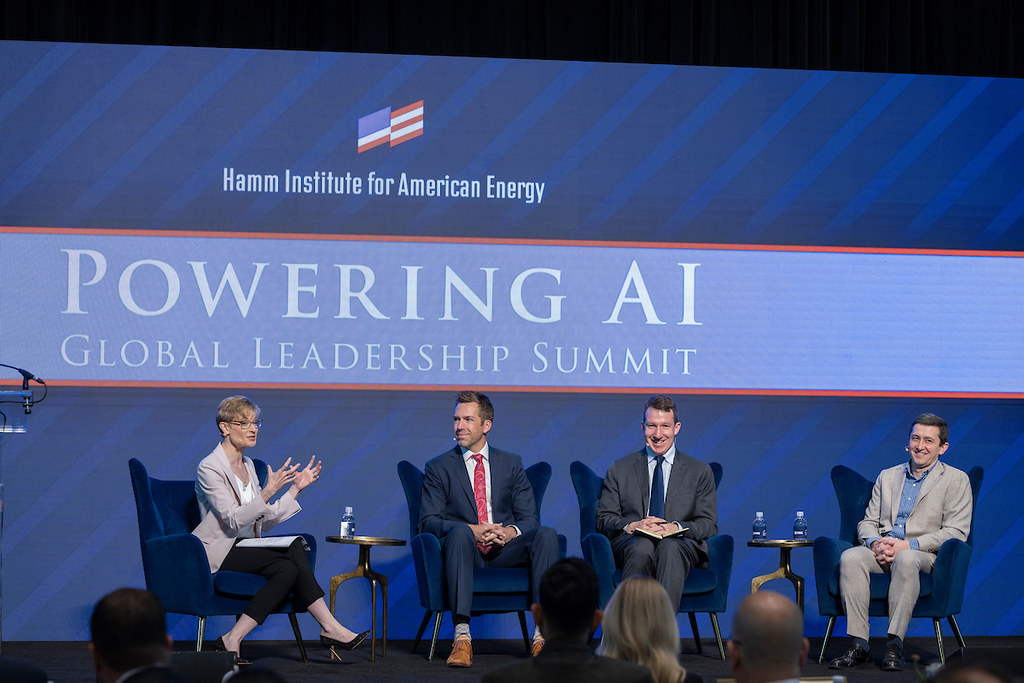
Artificial intelligence is rapidly reshaping the global economy, and with its ascent comes an unprecedented surge in energy demand. The Hamm Institute for American Energy’s recently announced American Energy + AI Initiative underscores a critical strategic pivot: ensuring the United States possesses the robust, dispatchable power infrastructure necessary to lead this AI era. This initiative is not merely a policy statement; it’s a direct call to action for investors, identifying clear pathways for capital deployment into sectors poised for significant growth. The escalating computational intensity of AI models, from training colossal neural networks to powering real-time inference engines, translates directly into a skyrocketing demand for reliable electricity. This structural shift creates a powerful long-term tailwind for domestic energy producers and infrastructure developers, particularly those focused on natural gas, advanced nuclear, and geothermal.
The initiative’s core tenets highlight this demand: accelerating the deployment of dispatchable energy, modernizing the grid, fostering AI + energy innovation, building resilient supply chains, and developing a skilled workforce. For investors, this translates into tangible opportunities. Companies involved in natural gas exploration and production, advanced reactor design and deployment, geothermal project development, and grid technology solutions are directly aligned with the initiative’s goals. The emphasis on “dispatchable” power is crucial, signaling a preference for energy sources that can be ramped up or down quickly to meet the volatile, high-density demands of AI data centers, unlike intermittent renewables that require extensive storage or backup capacity. This strategic alignment positions natural gas, with its flexibility and abundance, as a foundational fuel in the immediate to medium term, while advanced nuclear and geothermal offer longer-term, baseload solutions.
Navigating Current Market Dynamics Amidst Structural AI Demand
While the long-term energy demand driven by AI presents a compelling narrative, investors must remain attuned to prevailing market dynamics. As of today, Brent crude trades at $96.08, reflecting a 1.36% gain on the day, with its range fluctuating between $91 and $96.89. WTI crude similarly saw a 1.56% increase to $92.7, moving within a daily range of $86.96 to $93.3. However, it’s critical to note the broader trend: Brent has experienced a significant almost 9% decline over the past 14 days, dropping from $102.22 on March 25th to $93.22 by April 14th. This short-term volatility in crude prices, alongside gasoline trading at $2.99 (+0.67%), illustrates a market responding to a complex interplay of supply concerns, geopolitical developments, and demand forecasts that often vary from week to week.
Against this backdrop of evolving energy demand, our readers are actively seeking clarity, with a significant number asking for a base-case Brent price forecast for the next quarter and a consensus 2026 Brent forecast. While these questions typically focus on transportation fuels and overall economic health, the AI energy imperative introduces a distinct, structural demand layer that directly impacts electricity generation fuels. For investors, this means differentiating between the cyclical nature of the oil market and the secular growth trajectory for natural gas and other dispatchable power sources. The increasing power demands of AI data centers create a floor for natural gas demand, potentially decoupling its price movements from crude oil to a degree, and presenting a more stable investment thesis for companies aligned with the AI initiative’s goals, regardless of immediate fluctuations in the broader petroleum market.
Strategic Infrastructure & Supply Chain Opportunities Tied to Upcoming Events
The initiative’s focus on grid modernization and resilient supply chains presents substantial investment opportunities, with several upcoming calendar events providing key insights for market participants. Modernizing the US electrical grid to handle the unprecedented power demands of AI data centers will require significant capital expenditure in transmission, distribution, and smart grid technologies. This involves collaborating with utilities and private sector innovators to ensure reliability at scale, creating a fertile ground for companies specializing in grid infrastructure, energy storage, and advanced metering solutions.
The push for reshoring critical manufacturing for energy and digital infrastructure components further amplifies these opportunities, aiming to reduce foreign dependence and secure the supply chain. Investors tracking the domestic energy landscape will find valuable data points in the Baker Hughes Rig Count reports, scheduled for April 17th and April 24th. These reports offer granular insights into drilling activity, particularly for natural gas, which is poised to be a foundational fuel for AI’s energy needs. Furthermore, the API Weekly Crude Inventory (April 21st, April 28th) and EIA Weekly Petroleum Status Report (April 22nd, April 29th) will provide updates on US energy supply and demand, informing the capacity-building efforts crucial for meeting future AI energy requirements. The stability and availability of domestic natural gas supply will be paramount in supporting the rapid deployment of new data centers, making these regular industry updates essential for understanding the underlying momentum of the American Energy + AI Initiative.
The Path Forward: Policy, Innovation, and Future Catalysts
The American Energy + AI Initiative is a collaborative effort, bringing together government, energy, technology, and academia to forge a clear, actionable path forward. This multi-stakeholder approach minimizes regulatory risk and streamlines the deployment of necessary infrastructure, which is a significant positive for investors. The initiative is not just about identifying challenges; it’s about actively developing solutions through AI testbeds and real-world energy research and development, particularly through the Hamm Institute Lab in Oklahoma City. This focus on innovation will drive the development of more efficient power generation, transmission, and consumption methods, creating a dynamic environment for technology-driven energy companies.
Crucially, the initiative’s next phase includes a series of national roundtables in Washington D.C., Oklahoma City, Denver, and California. These upcoming events are critical catalysts, as they will expand the initiative’s blueprint into concrete implementation tracks. Investors should closely monitor announcements emerging from these sessions, as they are expected to detail new investments, strategic alliances, and pilot projects involving leading power companies, manufacturers, and tech investors. These gatherings will provide direct signals on where capital is flowing and which companies are best positioned to capitalize on the AI-driven energy transformation. For instance, any policy advancements or public-private partnerships emerging from the Washington D.C. roundtables could significantly de-risk specific investment avenues, while discussions in California might highlight innovation in data center efficiency or advanced geothermal applications. The initiative’s ongoing commitment to convening leaders and deploying scalable solutions underscores a sustained, long-term commitment to ensuring US energy leadership in the AI era, creating a robust framework for strategic investments.


