While headlines often focus on the tech sector’s reliance on skilled foreign workers, a looming crackdown on H-1B visas in the United States presents an underappreciated, yet significant, risk to the capital-intensive and technologically advanced oil and gas industry. Recent inquiries from influential senators targeting major corporations over their H-1B hiring practices suggest a tightening regulatory environment. For oil and gas investors, this isn’t merely a Silicon Valley issue; it’s a potential bottleneck for specialized talent—from subsurface engineers and data scientists to cybersecurity experts—that could impact project timelines, operational efficiency, and ultimately, shareholder value. Our proprietary data analysis reveals a confluence of market volatility and emerging talent constraints that demands investor attention.
The Unseen Brain Drain: H-1B Scrutiny and O&G’s Talent Pipeline
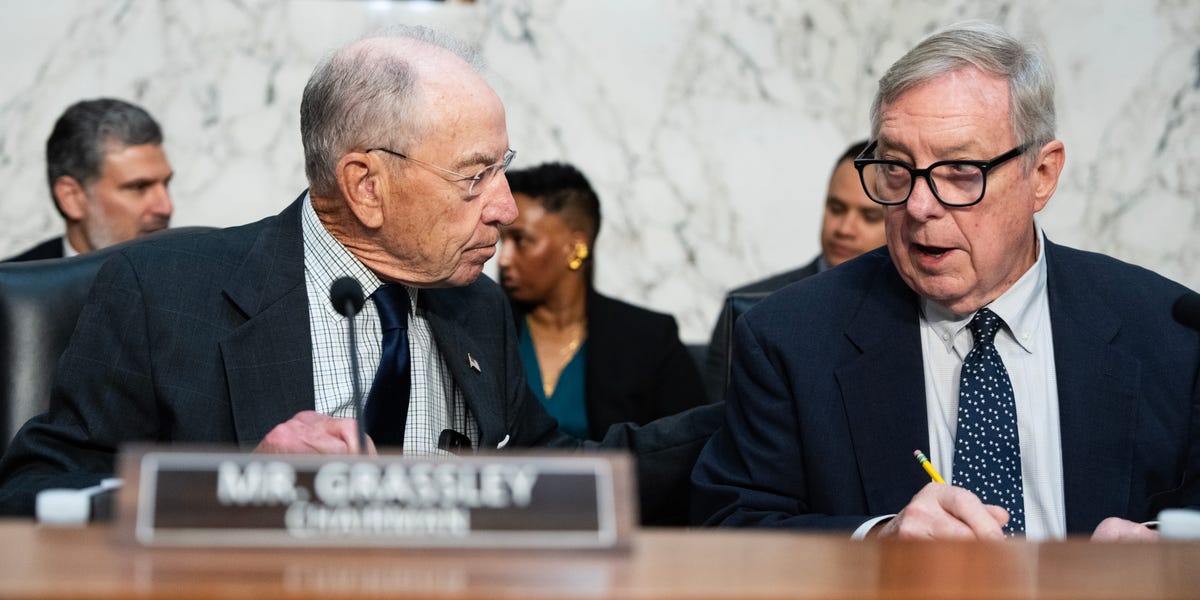
The intensifying scrutiny surrounding H-1B visa usage, spearheaded by figures like Senate Judiciary Committee Chairman Chuck Grassley and ranking member Sen. Dick Durbin, extends far beyond the tech giants traditionally associated with these work permits. Their recent letters to companies, including Amazon, Apple, Google, and JPMorgan Chase, highlight concerns over the hiring of foreign workers while domestic layoffs persist. Specifically, the senators cited instances where companies were approved for thousands of H-1B visas for the upcoming fiscal year, even as they shed thousands of American employees. While the immediate focus might be on software developers or IT specialists in these firms, the implications for the oil and gas sector are profound. Modern energy exploration, production, and refining demand highly specialized skills in areas such as advanced geophysics, artificial intelligence for reservoir modeling, complex process engineering, and cutting-edge cybersecurity protocols to protect critical infrastructure. Many of these roles are filled by a global talent pool, with H-1B visas serving as a crucial pathway for foreign-born experts to contribute. A sustained crackdown or significant reduction in these visas could starve the industry of essential talent, leading to project delays, increased operational costs, and a slower pace of innovation crucial for energy transition and efficiency gains.
Market Volatility Amplifies Talent Risk: A Deeper Dive into Crude Prices
The potential squeeze on skilled labor emerges at a time of significant volatility in global energy markets. As of today, Brent Crude trades at $90.38 per barrel, marking a sharp 9.07% decline within a single day, with its trading range fluctuating significantly between $86.08 and $98.97. Similarly, WTI Crude has seen an even steeper daily drop of 9.41%, now standing at $82.59, having traded between $78.97 and $90.34. This immediate downturn compounds a broader trend: Brent has shed $20.91, or 18.5%, from $112.78 on March 30 to $91.87 just yesterday, April 17. Gasoline prices are also feeling the pressure, currently at $2.93, down 5.18% today. This pronounced market uncertainty, characterized by significant downward price pressure, directly impacts oil and gas companies’ capital expenditure decisions and hiring strategies. Firms facing lower revenue projections may be less inclined to invest in costly talent acquisition or retention programs, even as the H-1B restrictions make global sourcing more challenging. Investors must recognize that declining commodity prices, coupled with a tightening labor market for specialized skills, create a dual headwind that could disproportionately affect companies without robust talent management strategies.
Navigating Headwinds: Upcoming Events and Investor Priorities
The coming weeks are packed with critical energy events that will shape market sentiment and operational strategies, further intertwining with the emerging talent supply risks. Investors are keenly asking about OPEC+ current production quotas and what to predict for oil prices by the end of 2026. The OPEC+ Joint Ministerial Monitoring Committee (JMMC) meeting on April 18, followed by the Full Ministerial meeting on April 19, will be pivotal. Any surprise decisions on production levels could trigger significant price movements, directly influencing the financial health of oil and gas companies and their ability to attract and retain talent. Moreover, the API Weekly Crude Inventory reports on April 21 and 28, alongside the EIA Weekly Petroleum Status Reports on April 22 and 29, will provide crucial insights into demand dynamics and U.S. inventory levels. Higher inventories could signal weaker demand, putting further downward pressure on prices. Amidst these market fluctuations, the Baker Hughes Rig Count on April 24 and May 1 will offer a real-time gauge of North American drilling activity. If rig counts decline due to sustained low prices or labor shortages, it signals reduced future production capacity. Companies that have proactively diversified their talent pipelines or invested in automation and AI to mitigate human capital risks will be better positioned to navigate these converging pressures, offering a more resilient investment proposition.
Strategic Imperatives for O&G Investors in a Constrained Environment
In this evolving landscape, oil and gas investors must look beyond traditional metrics and consider how companies are addressing the confluence of market volatility and potential talent constraints. The insights from our reader intent data reveal a strong interest in company-specific performance, with questions like “How well do you think Repsol will end in April 2026” highlighting the need for granular analysis. Firms that demonstrate a proactive approach to talent management—perhaps by investing heavily in domestic STEM education, upskilling existing workforces, or developing robust internal training programs—will be more resilient to H-1B restrictions. Furthermore, companies with diversified asset portfolios and a clear strategy for technological integration, reducing reliance on sheer human capital where automation is viable, could outperform. The long-term price outlook, as encapsulated by investor queries about oil prices by the end of 2026, will heavily depend on how the industry collectively manages these supply-side challenges, both in terms of physical crude and the intellectual capital required to extract and refine it efficiently. Savvy investors will prioritize companies that can articulate a clear strategy for maintaining operational excellence and innovation in a world where skilled labor is becoming an increasingly valuable, and potentially scarce, commodity.


