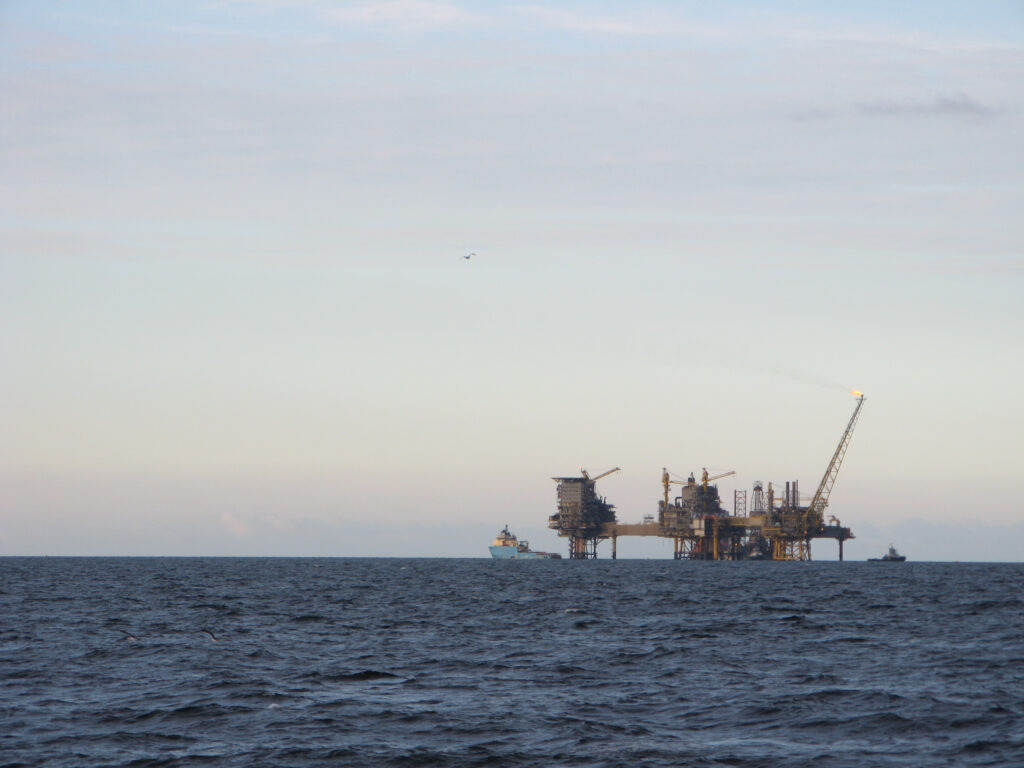
Guyana, a nation rapidly emerging as a significant player in the global oil and gas landscape, is charting an intriguing course that warrants close attention from energy investors. Propelled by substantial offshore discoveries over the past decade, the South American country is now strategically leveraging its newfound hydrocarbon wealth to spearhead an ambitious green energy transition. This proactive approach not only aims to diversify the nation’s energy mix and bolster energy security but also positions Guyana as a unique investment narrative where fossil fuel revenues directly fuel renewable development. For savvy investors, understanding this dual strategy is key to unlocking the long-term potential in this dynamic frontier market.
Oil Wealth Powering a Green Transformation
Guyana’s journey from a largely agrarian economy to a burgeoning oil producer has been swift and transformative. With international majors actively engaged in offshore production, the nation has begun to realize significant revenue streams. Crucially, the government is not merely banking on black gold; it’s deploying these funds with a clear vision: to achieve an impressive 80% renewable energy penetration in its electricity grid by 2040. This bold target is underpinned by the Low Carbon Development Strategy (LCDS) 2030, a comprehensive framework that outlines investments in expanding renewable energy capacity and promoting sustainable mobility across the country.
Further reinforcing this commitment, the United Nations, through its Just Energy Transition (JET) Seed Funding Initiative, is providing crucial financial, technical, and policy support. This initiative will directly fund projects such as the development of three solar-powered EV charging stations in strategic locations and the implementation of a technical training program designed to cultivate a skilled Guyanese workforce for the burgeoning renewable sector. As Guyanese President Mohamed Irfaan Ali stated, the nation is “using the resource to finance our energy transition, to build resilient infrastructure, to support the region that we are in.” This includes significant investments in solar farms, hydro, natural gas, wind, and biomass, all aimed at fostering a low-emission energy grid. Already, around 4.8 MW of solar power has been installed through various initiatives, underscoring the tangible progress being made.
Navigating Market Volatility: Guyana’s Fiscal Resilience
The pace and scale of Guyana’s diversification efforts are intrinsically linked to the broader dynamics of the global oil market. As of today, Brent crude trades at $90.06 per barrel, reflecting a -0.41% dip over the day, while WTI crude sits at $86.5, down -1.05%. This slight daily softening comes on the heels of a more substantial market recalibration; Brent, for instance, has shed nearly 20% in the last 14 days, moving from $118.35 on March 31st to $94.86 just yesterday. Such fluctuations highlight the inherent volatility of commodity markets.
For a nation like Guyana, which relies on oil revenues to fund its ambitious green agenda, sustained periods of higher prices provide a more robust capital base for accelerated investment in renewable infrastructure. Conversely, significant downturns necessitate prudent fiscal management and could influence the speed of project execution. However, Guyana’s strategic decision to reinvest a portion of its oil profits into diversifying its energy matrix acts as a crucial hedge against future oil price shocks, fostering long-term economic stability. This forward-thinking approach makes Guyana’s energy sector an attractive proposition for investors seeking both growth and resilience in a volatile global energy landscape.
Upcoming Catalysts and Forward-Looking Opportunities
Investors keenly monitoring Guyana’s long-term potential must also consider the broader market signals that could influence global energy prices and, by extension, the capital available for its green transition. The upcoming OPEC+ JMMC Meeting on April 21st is a critical event, offering potential insights into global crude supply management strategies. Any decisions from this meeting could directly impact oil prices, affecting Guyana’s revenue streams. Similarly, the EIA Weekly Petroleum Status Reports on April 22nd and April 29th, alongside the Baker Hughes Rig Counts on April 24th and May 1st, will provide vital snapshots of demand and production trends in key markets. These reports can create ripple effects, influencing investor sentiment and capital allocation decisions for international energy projects.
Further forward, the EIA Short-Term Energy Outlook on May 2nd will offer a more comprehensive forecast for oil, natural gas, and electricity markets, which can inform long-term investment strategies. For Guyana, these events underscore the importance of its diversification strategy. By leveraging current oil revenues to build a robust renewable sector, the nation aims to insulate itself from the cyclical nature of the oil market, creating a more predictable and sustainable investment environment. This forward-looking approach positions Guyana not just as an oil play, but as a long-term energy investment with a diversified risk profile.
Addressing Investor Concerns and Future Value Creation
Our proprietary reader intent data reveals a consistent theme among investors: a keen interest in future oil price trajectories. Questions like “is WTI going up or down?” and “what do you predict the price of oil per barrel will be by end of 2026?” underscore the pervasive uncertainty surrounding the future of crude markets. For Guyana, this translates into a strategic imperative: accelerate diversification while oil revenues are robust. By proactively investing in renewable energy, the nation is effectively hedging against potential long-term declines or increased volatility in oil prices, mitigating a key concern for many energy investors.
This strategic move creates multiple avenues for value creation. Beyond the direct investment opportunities in solar and other renewable projects, the development of a skilled local workforce in the green energy sector, as highlighted by the UN Development Programme, fosters sustained economic growth and reduces operational risks associated with reliance on expatriate talent. Furthermore, President Ali’s commitment to using oil revenues to support regional initiatives and preserve vast carbon-storing forests adds a strong environmental, social, and governance (ESG) dimension to Guyana’s investment profile. This holistic approach to development, funded by its hydrocarbon resources, positions Guyana as a compelling case study for sustainable investment in the evolving global energy landscape.