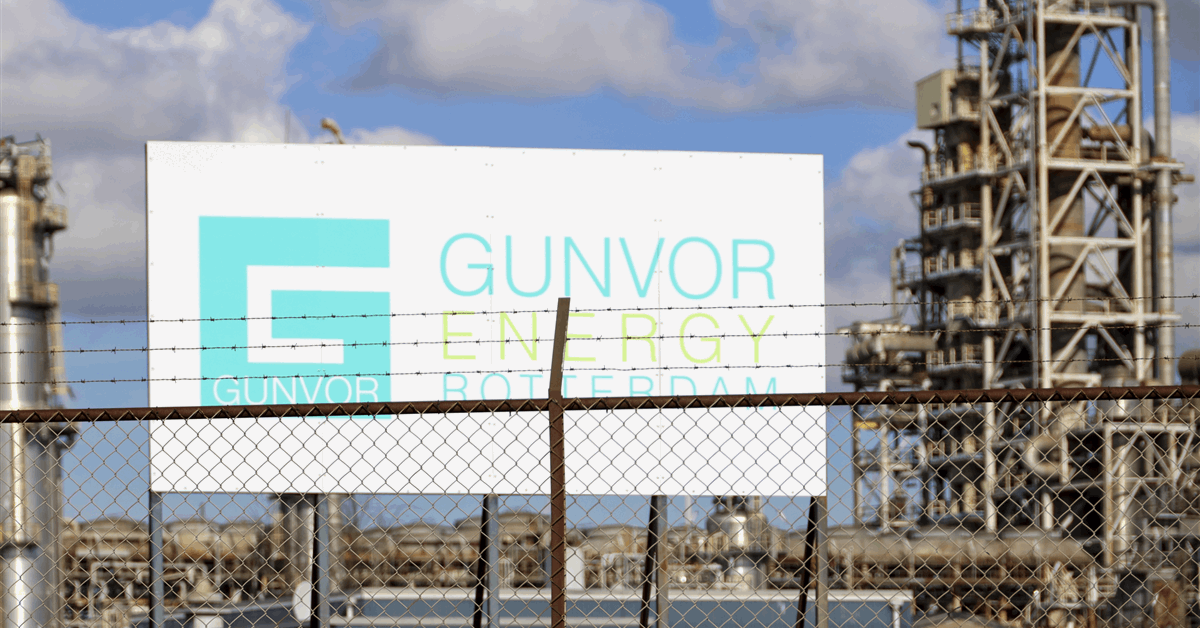
The recent financial maneuver involving Tullow Oil’s Gabon assets, underwritten by commodity trading giant Gunvor Group, serves as a potent microcosm of the dynamic shifts currently reshaping the global oil and gas investment landscape. This isn’t merely a transaction; it’s a strategic triangulation reflecting a national drive for resource control, a producer’s urgent need for deleveraging, and a trader’s evolving role in a tightening market. For investors, understanding the underlying currents behind this $300 million deal, where Gabon Oil Company acquired 100% of Tullow’s Gabon portfolio, offers critical insights into navigating an increasingly complex energy sector.
Gabon’s Drive for National Control and the Shifting Role of Traders
Gabon’s commitment to asserting greater national control over its vital oil resources is unmistakable, particularly in the wake of the 2023 coup d’état. This acquisition of Tullow Oil’s assets by the state-owned Gabon Oil Company (GOC) is the latest in a series of moves designed to consolidate domestic ownership and influence. It follows a significant $800 million deal last year, also financed through Gunvor, which enabled Gabon to acquire Carlyle Group’s Assala Energy. These transactions highlight a broader trend where national oil companies (NOCs) are becoming increasingly proactive in securing their sovereign energy interests, often with the backing of non-traditional financiers.
Enter commodity traders like Gunvor. Their role has evolved beyond mere arbitrage and logistics. Having emerged from a period of unprecedented profitability, these firms are now deploying substantial capital into prepayment facilities and asset-backed financing. This strategic pivot is driven by several factors: the need to secure long-term, lucrative oil supply contracts, the increasing competition from other traders and hedge funds compressing traditional trading margins, and the inherent value of locking in physical supply in a volatile market. For nations like Gabon, this offers a crucial alternative to conventional bank financing, especially in post-coup environments where traditional lenders might be more risk-averse. For investors, this signals a deepening intertwining of trading operations with upstream asset ownership, creating new avenues for market influence and supply chain control.
Tullow Oil’s Strategic Deleveraging Amidst Market Headwinds
For Tullow Oil, the divestment of its Gabon assets, which produce approximately 10,000 barrels of oil per day, is a critical component of a broader, aggressive deleveraging strategy. The $300 million generated from this sale will be directly applied to reducing the company’s substantial debt profile, particularly ahead of $1.39 billion in maturities looming next year. This proactive approach to balance sheet management is not just prudent; it’s essential in the current oil market environment.
As of today, Brent Crude trades at $90.38 per barrel, reflecting a sharp 9.07% decline within a day range spanning $86.08 to $98.97. This immediate pressure compounds a significant trend we’ve observed over the past two weeks, where Brent has fallen by 18.5%, from $112.78 on March 30th to $91.87 yesterday. Such pronounced volatility and downward price pressure underscore the urgency for producers like Tullow to fortify their financial positions. Shedding non-core assets, even those with significant production, to manage debt obligations becomes a strategic imperative. This move allows Tullow to streamline its portfolio, reduce financial risk, and potentially allocate capital more efficiently to higher-return assets in other regions, positioning the company for greater resilience against future market fluctuations.
Investor Sentiment and the Critical Road Ahead for Oil Prices
Our proprietary reader intent data reveals a clear focus among investors on the future trajectory of oil prices and the factors influencing them. Many are actively asking: “what do you predict the price of oil per barrel will be by end of 2026?” and “What are OPEC+ current production quotas?”. The current market volatility, exemplified by Brent’s recent decline, directly feeds into these concerns. The Tullow-Gabon deal, while specific, reflects broader trends of supply re-configuration and strategic financing that will undoubtedly impact global crude dynamics.
Looking ahead, the next two weeks are packed with events that could significantly sway investor sentiment and provide clarity on these pressing questions. The immediate spotlight falls on the upcoming OPEC+ Joint Ministerial Monitoring Committee (JMMC) meeting today, April 18th, followed by the Full Ministerial meeting tomorrow, April 19th. Market participants will be keenly watching for any signals regarding production quotas. Given the recent price softening, any indication of further production cuts or even a steadfast commitment to current targets could provide support. Conversely, a decision to increase output or a lack of consensus could exacerbate downward pressure.
Beyond OPEC+, crucial weekly data releases will offer further insights. The API Weekly Crude Inventory reports on April 21st and April 28th, alongside the EIA Weekly Petroleum Status Reports on April 22nd and April 29th, will provide vital demand and supply-side indicators for the U.S. market. Furthermore, the Baker Hughes Rig Count on April 24th and May 1st will shed light on North American drilling activity, an important proxy for future supply. Investors will be meticulously analyzing these data points to refine their oil price forecasts and adjust their energy investment strategies through the remainder of 2026.


