

As U.S.-Iran tensions climb and talk of a potential strike refuses to fade, the UAE and Saudi Arabia are already behaving as if an oil supply disruption is a matter of when, not if. If they move more crude now, there is a chance there will be calm markets later.
Abu Dhabi is set to export additional volumes of its flagship Murban crude in April, trade sources told Reuters on Friday. ADNOC has reportedly offered extra barrels to partners in its onshore concession, where companies including BP, TotalEnergies, CNPC, Inpex, Zhenhua Oil, and GS Energy are entitled to roughly 40% of output from a stream that runs near 2 million barrels per day. The exact bump isn’t clear yet.
At the same time, Saudi Arabia has been hiking production and exports as part of a contingency plan should a U.S. strike on Iran disrupt flows through the Strait of Hormuz. Saudi shipments jumped to about 7.3 million barrels per day (bpd) in the first 24 days of February, the highest since April 2023. Riyadh has reportedly enough spare capacity for another 2.4 million bpd and can route crude through its East-West pipeline to the Red Sea if Gulf traffic is threatened.
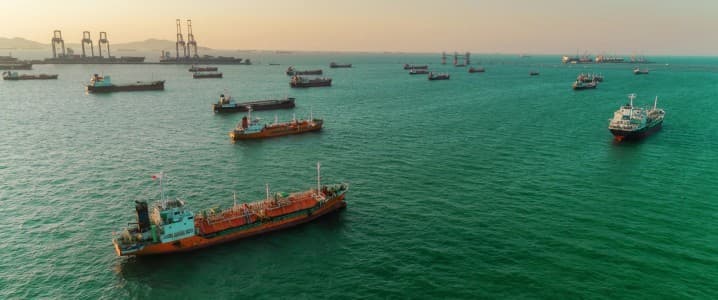
Freight markets are already flashing red. VLCC rates on the Middle East-to-Asia route have surged past $200,000 per day, a six-year high, as traders rush to secure ships and front-load cargoes. Bahri, the Saudi national carrier, has chartered multiple supertankers to lock in liftings to Asia.
The geopolitical risk premium has pushed oil above $72 per barrel, near the highest levels since July. OPEC+ meets Sunday and is expected to consider a modest 137,000 bpd increase for April after pausing hikes earlier this year.
Global crude flows are also changing course. Saudi exports to India are surging as Russian exports to India decline under U.S. pressure. China, by contrast, is soaking up discounted Russian crude at record levels.
What this amounts to is calibrated risk management. Riyadh and Abu Dhabi have no interest in crushing the price rally — both benefit from firmer crude. But they also have little incentive to see prices spike to triple digits on the back of a military escalation that could rattle demand, invite political blowback, or trigger emergency stock releases. Nudging oil exports higher now will allow the geopolitical premium to build without letting it spiral. It’s a reminder that spare capacity is as much a pricing tool as it is a supply buffer — and that the Gulf’s top producers prefer controlled strength in the market over chaos.
By Julianne Geiger for Oilprice.com
More Top Reads From Oilprice.com
