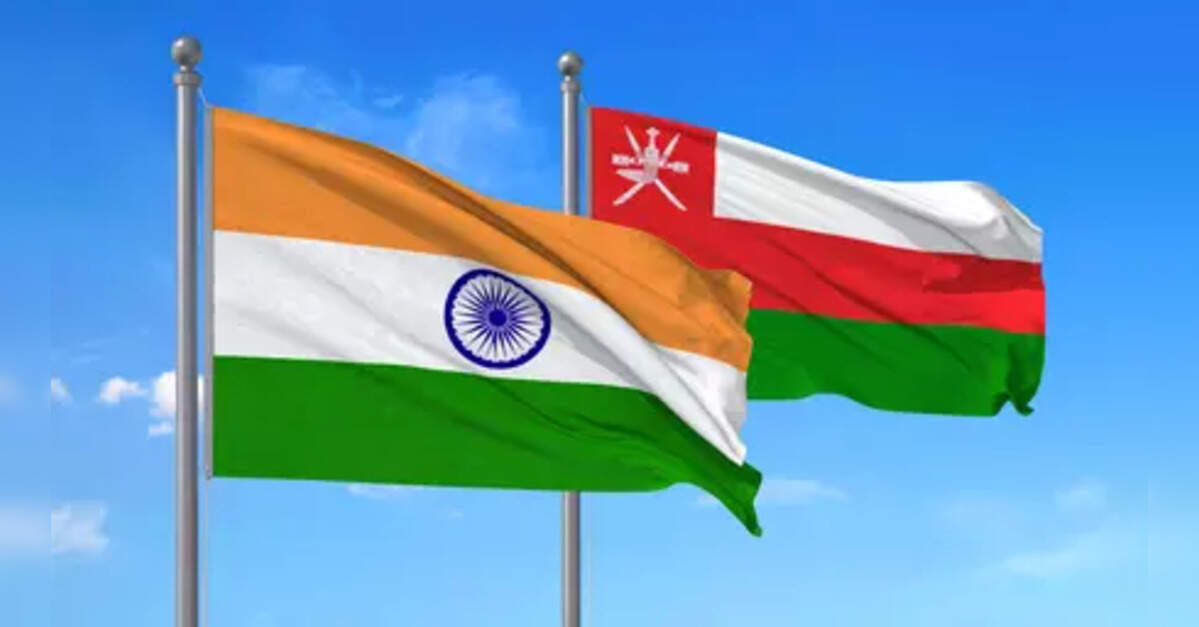
Gulf Gateway: Strategic Economic Advantage
The impending Comprehensive Economic Partnership Agreement (CEPA) between India and Oman stands to redefine economic and energy dynamics between South Asia and the Gulf. Far more than a conventional trade deal, this agreement, expected to be formally announced this month, establishes a strategic economic bridge, offering India critical tariff-free market access, bolstering energy security, and drawing significant Gulf investment. For oil and gas investors, the CEPA signals a deepening of geopolitical engagement in a region paramount to global energy flows and trade, creating new avenues for long-term value and stability amidst fluctuating global markets.
Fortifying Energy Security Amidst Market Volatility
Oman’s strategic location near the Strait of Hormuz, a choke point for approximately 20% of global oil shipments, makes it an indispensable partner for India’s energy security agenda. The CEPA is set to solidify Oman’s role as a reliable supplier of crude oil, liquefied natural gas (LNG), and fertilizers to India. Tariff reductions on these vital imports will directly translate to lower input costs for Indian refiners, power producers, and agricultural sectors. This stability is particularly crucial in the current market environment, where Brent crude, as of today, trades around $99.6 per barrel, marking a significant 4.92% increase, following a notable 12.4% drop from $108.01 to $94.58 over the past two weeks. Such price volatility underscores the imperative for nations like India to diversify and secure their energy supply chains, reducing exposure to both price shocks and potential supply disruptions. The CEPA acts as a structural hedge, fostering predictability in a notoriously unpredictable global energy market, a factor that should resonate positively with investors seeking long-term stability in energy plays.
Unlocking Investment Pathways and Industrial Growth
The CEPA is designed to stimulate substantial two-way investment, particularly in strategic infrastructure. We anticipate increased Omani and broader Gulf capital inflows into India’s critical projects, including ports, industrial corridors, and logistics hubs. Conversely, India is poised to participate in Omani ventures, such as the Duqm Port, enhancing maritime connectivity and regional trade routes. This synergistic investment drive aligns closely with India’s “Make in India” initiatives, offering scale expansion opportunities and job creation in sectors ranging from iron and steel to electronics, textiles, automotive components, and machinery. The removal of the prevailing 5% customs duty on these Indian exports will significantly boost their competitiveness in receptive Gulf markets. For small and medium enterprises (SMEs), this tariff-free access opens lucrative growth avenues that were previously hampered by pricing disadvantages. Investors frequently inquire about the underlying drivers of long-term demand and infrastructure development. The sustained capital deployment facilitated by the CEPA provides a robust framework for consistent demand for energy, materials, and logistical services, directly influencing the base-case outlook for regional energy consumption and infrastructure-related investments.
Navigating Geopolitical Shifts and Future Market Dynamics
Beyond economic benefits, the India-Oman CEPA carries significant geopolitical weight. It strengthens India’s strategic positioning as a preferred partner in the Gulf, especially as other global powers expand their economic influence in the region. The agreement also addresses sensitive issues like Oman’s “Omanisation” policy, with India pushing for explicit carve-outs to safeguard its substantial expatriate workforce of over 480,000 nationals. This careful negotiation highlights the comprehensive nature of the partnership, aiming for long-term stability across all facets of bilateral relations. From an investor’s perspective, the formal announcement of the CEPA, expected this month, arrives at a critical juncture for the global energy market. With upcoming OPEC+ Joint Ministerial Monitoring Committee (JMMC) and Full Ministerial meetings scheduled for April 18th and 20th, respectively, market participants will be assessing both supply-side management and demand-side structural shifts. While OPEC+ decisions will directly impact crude supply, the CEPA’s implications for stable, long-term energy demand and diversified supply chains will offer crucial insights into regional energy resilience. Furthermore, the weekly Baker Hughes Rig Count reports on April 17th and 24th will provide a snapshot of upstream activity, but the CEPA’s influence extends to the foundational stability of energy trade routes and strategic partnerships, creating a more robust framework for investment decision-making in the years to come.


