The global energy landscape continues its rapid evolution, driven by a complex interplay of market fundamentals, geopolitical shifts, and an accelerating push for environmental accountability. For investors in the oil and gas sector, navigating this environment demands a keen eye not just on traditional metrics but also on emerging technologies that address the growing regulatory and stakeholder pressures around sustainability. One such development is the expansion of AI-driven platforms designed to simplify carbon compliance, offering a glimpse into how technology is helping companies manage their environmental footprint and, by extension, their long-term value.
Navigating the Regulatory Tsunami: A New Imperative for Energy Investors
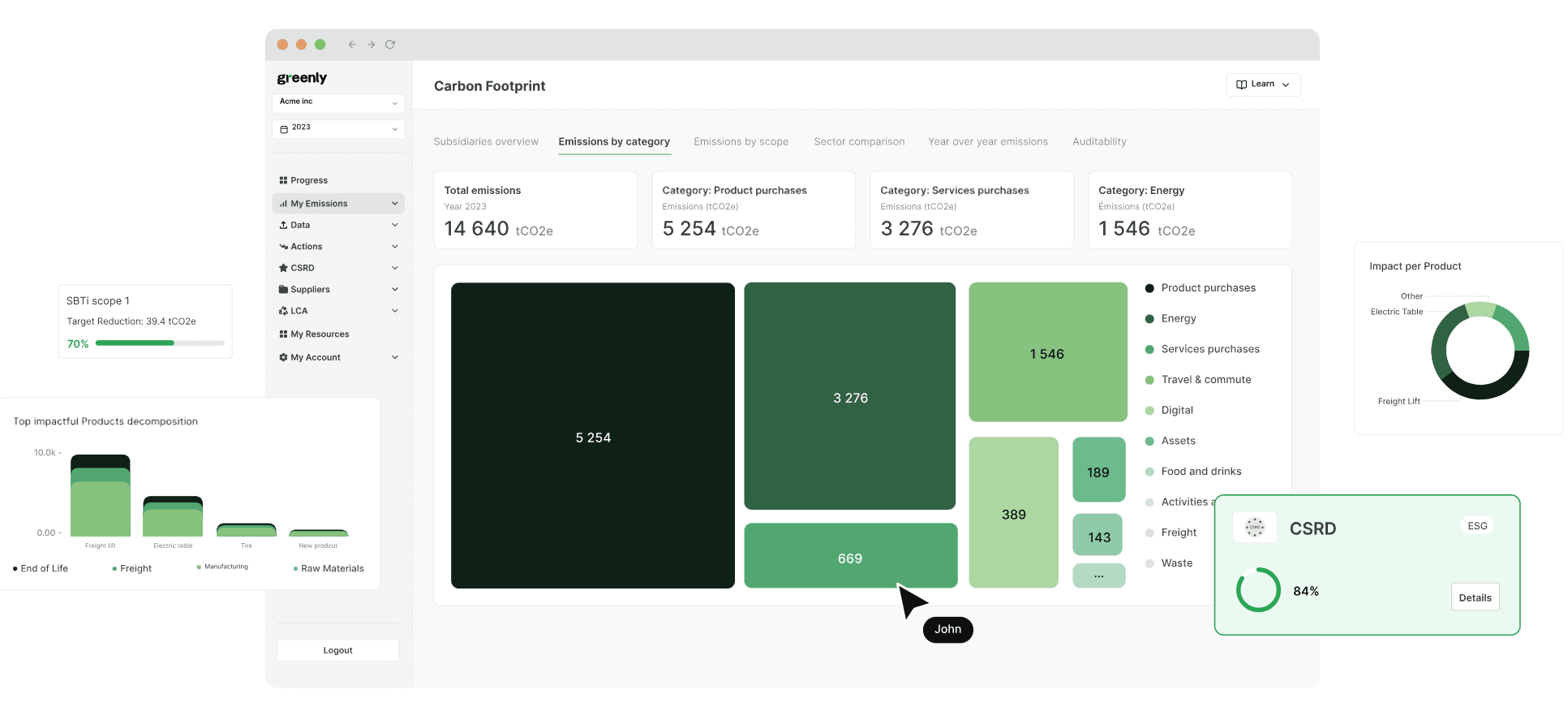
The tightening grip of global disclosure rules, including the EU’s Corporate Sustainability Reporting Directive (CSRD), IFRS sustainability standards, and the EU Carbon Border Adjustment Mechanism (CBAM), is creating a formidable challenge for companies worldwide. Oil and gas firms, with their extensive value chains and significant emissions profiles, are particularly exposed. The sheer complexity of measuring and reducing emissions, especially across Scope 3 – which often constitutes over 70% of a company’s total climate impact – can be overwhelming. This isn’t just an operational headache; it’s a material financial risk. Our proprietary reader intent data reveals a strong interest in company-specific performance, with investors asking about the outlook for entities like Repsol, signaling a focus on how individual players are adapting to these new realities. Effective carbon accounting is no longer a ‘nice-to-have’ but a fundamental component of enterprise risk management and a prerequisite for attracting capital in an increasingly ESG-conscious market. Platforms leveraging artificial intelligence and advanced language models for automated data collection and emissions modeling, such as EcoPilot, are emerging as critical tools for companies to meet these stringent requirements, ensuring audit-readiness and strategic insights into their decarbonization pathways.
Market Volatility Underscores Efficiency in ESG Compliance
In today’s dynamic market, operational efficiency and meticulous risk management are paramount. As of today, Brent Crude trades at $90.38, reflecting a significant 9.07% decline, while WTI Crude stands at $82.59, down 9.41%. Gasoline prices have also seen a drop, now at $2.93, a 5.18% decrease. This current snapshot follows a pronounced downward trend for Brent, which has fallen from $112.78 on March 30th to today’s level – a reduction of $22.4, or nearly 20%, in less than three weeks. Such volatility highlights the broader economic and geopolitical uncertainties influencing energy markets. In this environment, the ability to streamline complex, non-core tasks like carbon accounting becomes even more valuable. An AI-powered system that integrates seamlessly with existing financial and procurement platforms, automatically pulling data and applying over 300,000 emission factors, drastically reduces manual effort and potential for error. For oil and gas companies, where margins can be tight and market swings dramatic, such automation in ESG reporting not only ensures compliance but also frees up resources that would otherwise be dedicated to cumbersome data management, allowing management to focus on core business strategies amidst fluctuating commodity prices.
Forward Outlook: Strategic Decisions in a Decarbonizing World
Looking ahead, the strategic implications of robust carbon management are deeply intertwined with the broader energy market trajectory. Over the next two weeks, key events like the OPEC+ JMMC Meeting on April 19th and the full OPEC+ Ministerial Meeting on April 20th will shape near-term supply dynamics. Following these, the API and EIA Weekly Crude Inventory reports on April 21st/22nd and April 28th/29th, alongside the Baker Hughes Rig Count on April 24th and May 1st, will offer crucial insights into demand and production trends. While these events dictate immediate market movements, the long-term imperative for decarbonization continues unabated. Our readers are actively seeking predictions for crude oil prices by the end of 2026, indicating a strong forward-looking investment horizon. The ability of a platform to provide “What If” simulation features, allowing companies to visualize how changes in suppliers, materials, or transport modes could impact their carbon trajectories, offers a critical advantage. This forward-thinking capability, coupled with the generation of Science Based Targets initiative (SBTi)-aligned reduction plans, positions companies to not only meet future regulations but also to strategically de-risk their operations and attract capital from investors increasingly focused on resilience and sustainability over a multi-year timeframe, irrespective of short-term commodity price fluctuations.
Investor Takeaways: Enhancing Value Through Proactive Carbon Management
For discerning investors in the oil and gas sector, the adoption of advanced climate data management solutions represents a compelling investment thesis. Companies embracing technologies that simplify carbon accounting across Scope 1, 2, and 3 are demonstrating a proactive approach to risk management and long-term value creation. By automating data collection, ensuring audit-ready reports aligned with global standards, and enabling strategic “What If” scenario planning, these platforms help companies mitigate regulatory fines, reduce operational inefficiencies, and unlock opportunities for green financing. Furthermore, robust ESG reporting enhances corporate reputation, potentially attracting a broader base of capital, including the rapidly growing pool of ESG-mandated funds. In an industry facing intense scrutiny and undergoing a fundamental transition, the ability to accurately measure, manage, and reduce emissions is no longer just about compliance; it’s about competitive advantage and sustained profitability. Investors should closely monitor which oil and gas companies are investing in these advanced capabilities, as they are likely to be better positioned to navigate the complexities of the energy transition and deliver superior returns in the long run.


