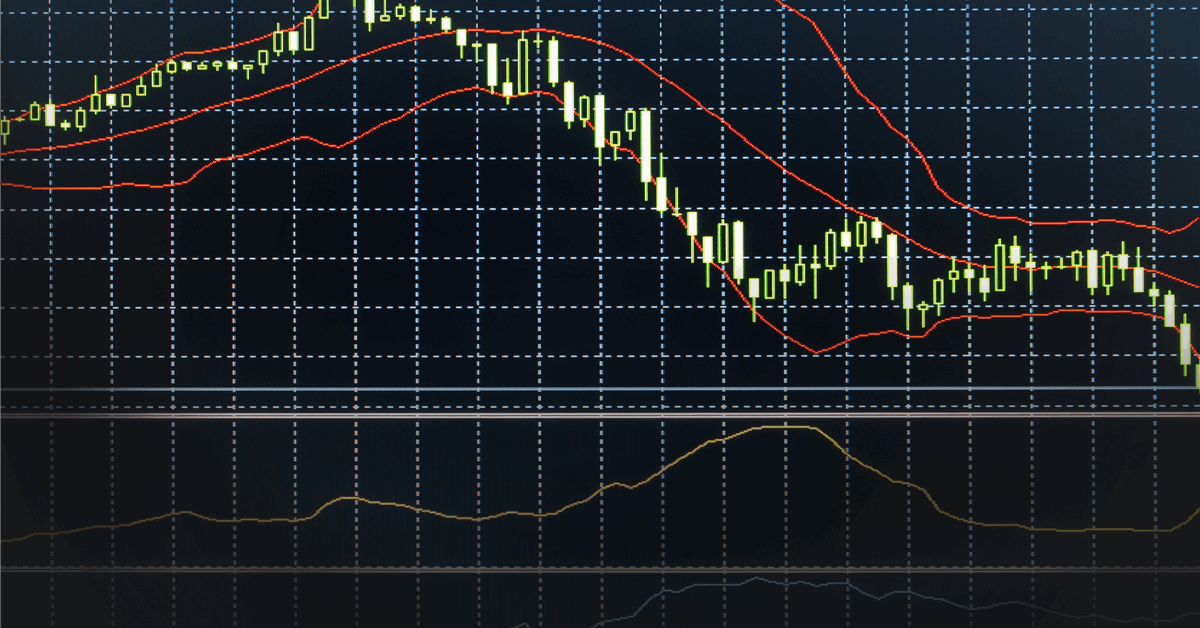
The global oil market has recently experienced a significant downturn, reversing a four-session rally and leaving investors questioning the immediate trajectory of crude prices. This latest dip, characterized by steep declines in both Brent and WTI benchmarks, underscores the powerful interplay of macroeconomic forces, persistent oversupply concerns, and geopolitical factors. For investors navigating this volatile landscape, understanding the confluence of these drivers is paramount to positioning portfolios effectively in the coming weeks.
Dollar Strength Drives Immediate Price Contraction
As of today, Brent crude trades at $90.38 per barrel, marking a substantial 9.07% decline within a single day, with its trading range stretching from $86.08 to $98.97. Similarly, West Texas Intermediate (WTI) has fallen to $82.59, down 9.41%, having traded between $78.97 and $90.34. This broad market weakness also extends to refined products, with gasoline prices currently at $2.93, a 5.18% drop. This sharp pullback has erased recent gains, with Brent having declined by approximately $22.4, or nearly 20%, from its level of $112.78 just two weeks ago on March 30th. A primary catalyst for this immediate pressure has been the robust appreciation of the U.S. dollar, which climbed to its highest level in over five months. As a dollar-denominated commodity, crude oil becomes more expensive for holders of other currencies when the greenback strengthens, dampening demand and exerting downward pressure on prices. Analysts note that this “dollar funding stress” has a significant second-order effect on global liquidity and, consequently, on overall global growth prospects, creating a challenging environment for commodities.
Navigating the Oversupply Narrative and OPEC+ Stance
Beneath the surface of dollar-driven volatility, the market continues to grapple with an overarching narrative of potential crude oversupply. The Organization of the Petroleum Exporting Countries and its allies (OPEC+) recently indicated their intention to maintain current production quotas through the first quarter, opting against an increase. This decision comes as many market observers anticipate a global crude glut, which could further weigh on prices. The U.S. oil benchmark has already retreated nearly 16% this year, largely as OPEC+ and non-member nations ramped up production earlier. Despite concerns, some industry leaders offer a more sanguine outlook. Claudio Descalzi, CEO of Eni SpA, recently suggested that any worries about oversupply would be short-lived, reflecting a common sentiment among executives aiming to reassure the market about demand resilience. Conversely, the leader of Diamondback Energy Inc., a major Permian Basin driller, expressed contentment with minimal to no production growth for his company, indicating a disciplined approach to supply from some key producers. These divergent views highlight the ongoing debate among investors regarding the true balance of the global oil market.
Sanctions, Russian Oil Flows, and Geopolitical Uncertainty
Geopolitical developments continue to inject complexity into the supply picture, particularly concerning Russian crude exports. Recent U.S. sanctions targeting Rosneft PJSC and Lukoil PJSC, Russia’s two largest oil companies, initially provided a temporary boost to crude prices. Following these measures, Russian seaborne crude shipments reportedly fell sharply, experiencing their most significant drop since January 2024. Data indicates that cargo discharges have been even more severely impacted than loadings, leading to a surge in oil held on tanker ships. However, the long-term effectiveness of such restrictions remains a contentious point. Torbjörn Törnqvist, CEO of Gunvor Group, voiced skepticism, stating that disrupted Russian oil invariably finds its way back to the market “somehow.” This sentiment is crucial for investors, suggesting that while sanctions may create short-term logistical hurdles and price spikes, they might not fundamentally alter the global supply balance over extended periods. This ongoing geopolitical chess game introduces a layer of unpredictable risk that investors must carefully monitor, as reader questions frequently touch upon the enduring impact of such measures on global supply and demand dynamics.
Investor Outlook and Upcoming Market Catalysts
Our proprietary reader intent data reveals that investors are keenly focused on the future trajectory of oil prices, with common questions including “what do you predict the price of oil per barrel will be by end of 2026?” and “What are OPEC+ current production quotas?”. These inquiries underscore the demand for forward-looking analysis and clarity on fundamental market drivers. Addressing these concerns, the upcoming calendar of energy events will provide crucial insights. With the OPEC+ Joint Ministerial Monitoring Committee (JMMC) meeting scheduled for April 19th, followed by the full OPEC+ Ministerial Meeting on April 20th, investors will be closely watching for any shifts in production policy or updated guidance that could impact supply expectations. Furthermore, the regular cadence of inventory data, including the API Weekly Crude Inventory reports on April 21st and 28th, and the EIA Weekly Petroleum Status Reports on April 22nd and 29th, will offer granular detail on U.S. supply and demand. These reports, alongside the Baker Hughes Rig Count on April 24th and May 1st, will be vital for assessing the effectiveness of current production strategies and gauging the actual pace of supply growth. Given the current volatility and the prevailing oversupply narrative, these upcoming events hold significant potential to re-rate market sentiment and influence price movements through the remainder of April and into May.


