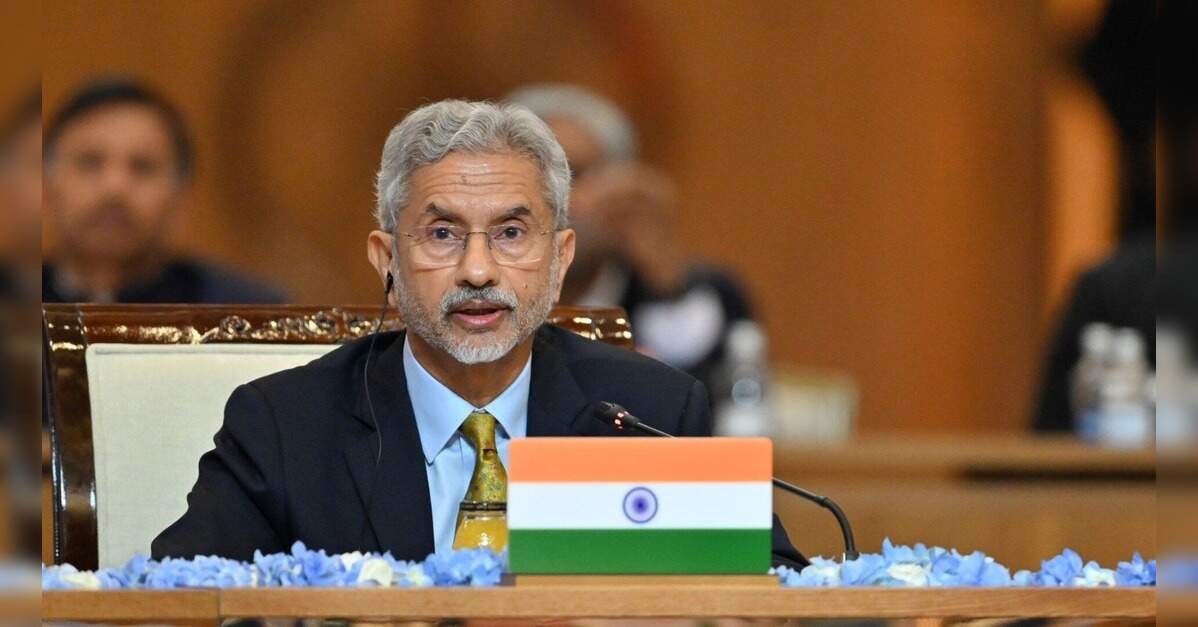
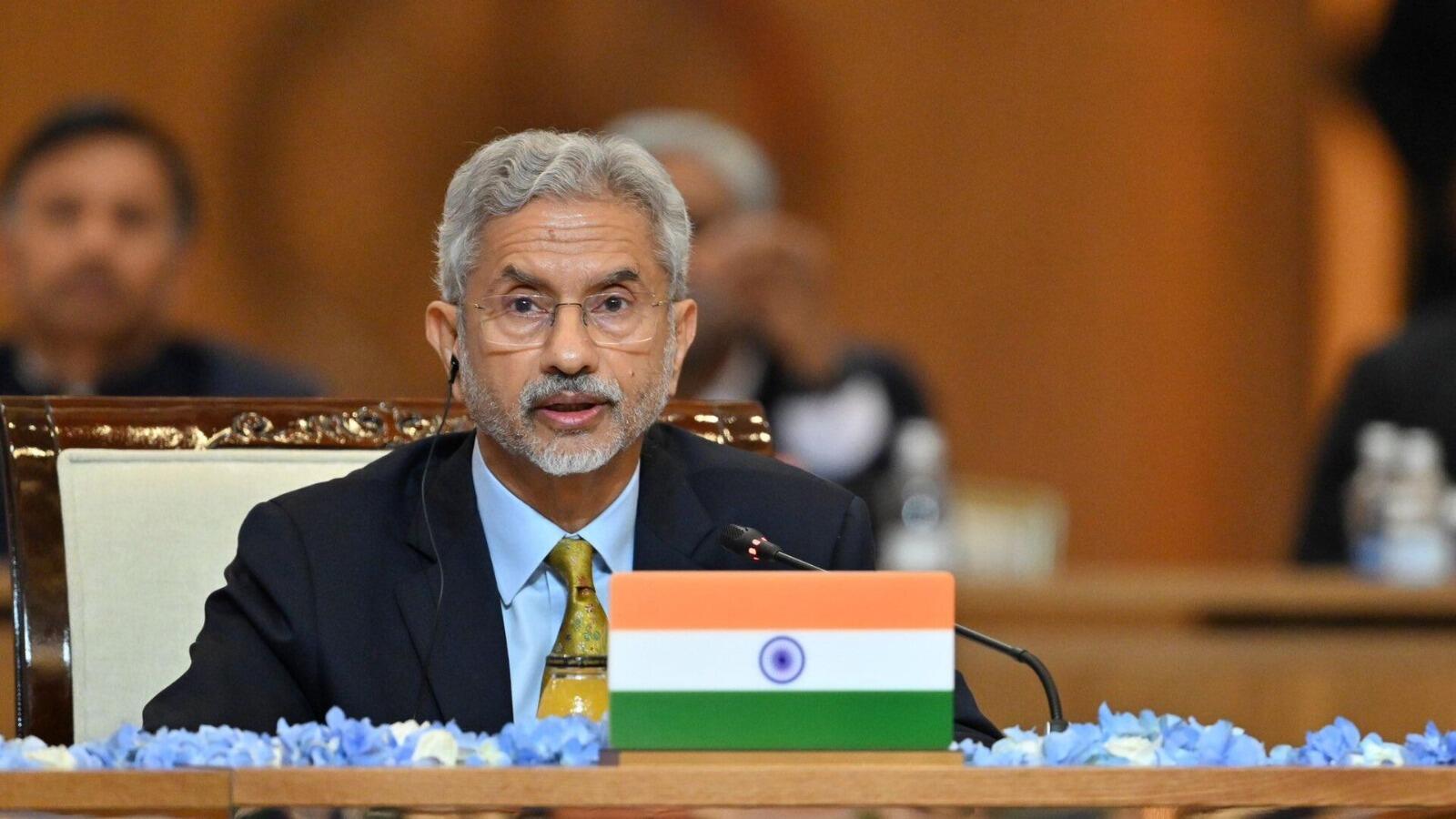
India is closely monitoring the crude oil situation and the deteriorating security environment in West Asia amid the ongoing regional conflict, External Affairs Minister S Jaishankar told the Rajya Sabha on Monday, reports ET Online.
Speaking on the first day of the second leg of the Budget Session of Parliament, Jaishankar said that the government was tracking developments carefully as tensions in West Asia continue to escalate.
“We are monitoring developments very closely… Security situation in the region has deteriorated significantly,” said the minister.
India’s stance on West Asia conflict
Jaishankar said the conflict has begun affecting normal life and economic activity across the region. “Normal life and economic activities in the region have also been affected,” he told members of the Upper House.
Reiterating India’s position, the minister said New Delhi continues to advocate diplomatic engagement to resolve the crisis. “We believe and continue to believe that dialogue and diplomacy should be encouraged to resolve matters in West Asia,” he added.
The government is also alert to the potential impact of the conflict on global energy supplies, he noted.
India’s stakes in the region
Jaishankar highlighted India’s significant economic and human stakes in West Asia, noting that about one crore Indians live in the region. “We want West Asia to remain stable and peaceful,” he said.
The minister also informed the House that a few thousand Indians are currently in Iran for education or employment, and the government is closely monitoring the situation there.
Energy security concerns
India imports a large share of its crude oil from West Asia, making stability in the region crucial for the country’s energy security. “This ongoing conflict is of particular concern to India. We are a neighbouring region, and have obvious stakes that West Asia remains stable,” Jaishankar said.
He added that the region plays a key role in India’s energy supplies and global trade routes.
“The region is key to our energy security and includes many important suppliers of oil and gas. Serious supply chain disruptions and a climate of instability are serious issues,” he told the House.
Call for de-escalation
The minister said that the conflict has intensified and spread to multiple countries, causing widespread disruption.
“The conflict has continued to intensify, and the security situation in the region has deteriorated significantly. The conflict has spread to other countries with mounting destruction,” he said.
“Normal life and activities in the entire region are visibly affected and in some cases have come to a halt,” he added.
Jaishankar said India had earlier reiterated its call for de-escalation. “We therefore reiterated our call on 3 March for dialogue and diplomacy and spoke up for an early end to the conflict,” he added.
He also expressed condolences over casualties resulting from the fighting. “I am confident, Chairman Sir, the House joins me in expressing our sorrow at the loss of lives,” Jaishankar said.
Reaffirming the government’s priorities, he said the safety of Indian nationals and India’s national interests remain paramount. “The well-being and security of the Indian community is our priority. Our national interest, including energy security, will always be paramount.”
Jaishankar also told the House that Iran had approached India regarding maritime logistics, seeking permission for three ships to dock in the country, which the government evaluated in line with national interest.