The energy investment landscape is a complex interplay of immediate market dynamics and profound, long-term structural shifts. While daily headlines often focus on supply quotas and inventory draws, a recent federal government report out of Australia serves as a stark reminder of the accelerating physical risks of climate change, specifically highlighting the vulnerability of property assets in Queensland. This analysis delves into how such regional climate assessments amplify the broader narrative of energy transition, influencing long-term capital allocation in the oil and gas sector, even as investors navigate immediate market volatility.
Queensland’s Climate Reckoning: A Bellwether for Global Energy Transition
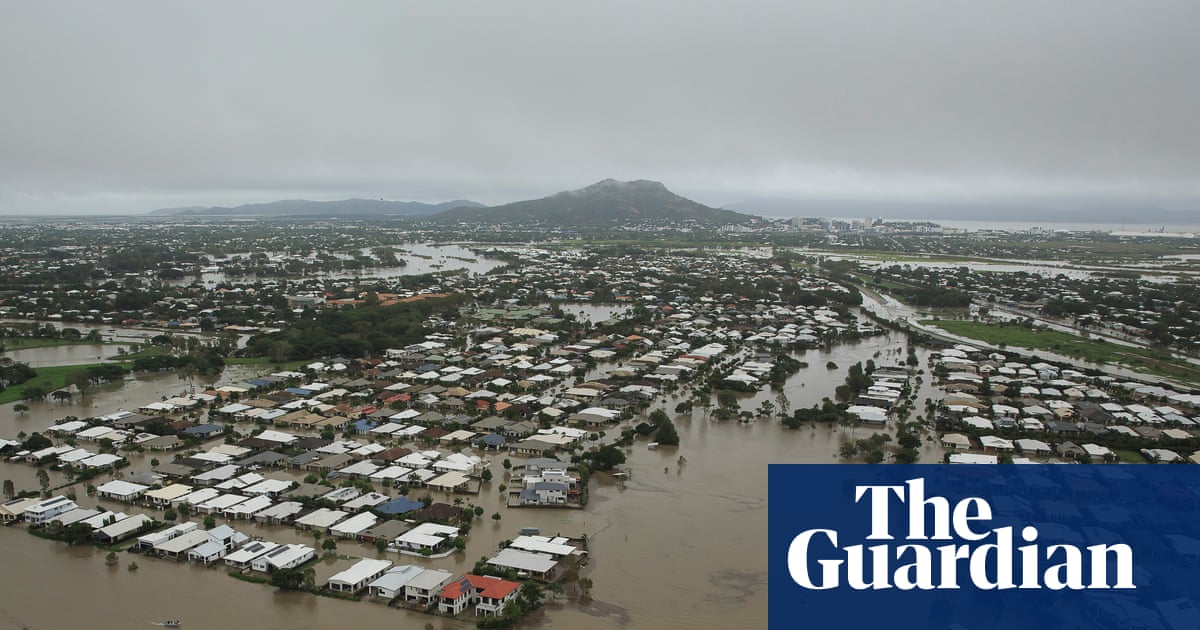
A new federal climate risk assessment released this week paints a concerning picture for Queensland, Australia, forecasting that up to 185,000 properties could face “very high risk” from natural disasters if global heating remains unchecked. The report models scenarios ranging from 1.5°C to 3°C above pre-industrial levels, noting that Australia has already experienced 1.5°C of warming. Under the 3°C scenario, the 185,000 high-risk properties could become functionally uninsurable, a critical development given that north Queensland already sees a 20% non-insurance rate for homes, double the national average. This isn’t merely a regional real estate crisis; it’s a potent signal to the global energy market. The increasing frequency and intensity of cyclones, heatwaves, and floods underscore the tangible costs of climate change. For oil and gas investors, this report reinforces the growing urgency for decarbonization, signaling potential shifts in long-term energy demand and accelerated regulatory pressures that could impact the viability of future fossil fuel projects and the valuation of existing assets.
Navigating Current Market Volatility Amidst Long-Term Shifts
Against the backdrop of these long-term climate warnings, the immediate oil market continues its characteristic volatility. As of today, Brent Crude trades at $98.36, marking a 1.04% decline within a day range of $97.92 to $98.67. Similarly, WTI Crude stands at $89.96, down 1.33% with a daily range of $89.57 to $90.26. Gasoline prices also reflect this dip, currently at $3.08, down 0.32%. This recent softening extends a notable trend: Brent crude has seen a significant $-14 drop, or 12.4%, over the past 14 days, falling from $112.57 to $98.57. While various factors contribute to these daily and bi-weekly fluctuations – from geopolitical events to economic indicators – the persistent drumbeat of climate risk reports, like the one from Queensland, adds a layer of structural uncertainty. Investors are increasingly evaluating how such environmental pressures could translate into long-term demand destruction or accelerated shifts towards alternative energy sources, thereby impacting the risk premium associated with traditional oil and gas investments.
Upcoming Events: Short-Term Drivers vs. Long-Term Vision
For the astute oil and gas investor, the next two weeks are packed with events that will shape short-term market movements, demanding immediate attention even as the long-term climate narrative evolves. This Friday, April 17th, the Baker Hughes Rig Count will offer insights into drilling activity, a key indicator of future supply. More critically, the OPEC+ Joint Ministerial Monitoring Committee (JMMC) convenes on Saturday, April 18th, followed by the full OPEC+ Ministerial Meeting on Monday, April 20th. These gatherings are pivotal, with market participants eagerly awaiting any signals regarding production quotas. Any deviation from current supply discipline could significantly impact crude prices. Furthermore, the weekly API and EIA crude inventory reports, scheduled for Tuesday, April 21st, and Wednesday, April 22nd, respectively, will provide fresh data on U.S. supply-demand balances. While these events are crucial for tactical trading and short-term positioning, investors must concurrently project how potential OPEC+ decisions or inventory shifts align with, or diverge from, the accelerating global energy transition driven by reports like the Queensland climate assessment. The challenge lies in balancing immediate market reactions with a strategic outlook that accounts for structural changes.
Investor Focus: Bridging Immediate Questions with Strategic Imperatives
Our proprietary reader intent data reveals that oil and gas investors are deeply engaged with immediate market specifics. Questions such as “What are OPEC+ current production quotas?” and “What is the current Brent crude price?” frequently surface, underscoring a clear focus on real-time data and actionable intelligence for short-term trading and portfolio adjustments. These inquiries highlight the necessity for precise, up-to-the-minute market information, which informs our robust data pipelines. However, the Queensland report broadens the investment horizon, pushing investors to consider the strategic implications of climate risk. While the immediate concern might be the outcome of the upcoming OPEC+ meeting or the latest inventory figures, sophisticated investors are also asking deeper questions about the future resilience of their portfolios in a decarbonizing world. The imperative now is to integrate these two perspectives: to leverage granular, real-time data for tactical decisions while maintaining a strategic view informed by the escalating physical and transition risks highlighted by climate assessments. This dual focus is essential for navigating an energy market in flux, where short-term gains must be weighed against the long-term viability of assets in a world increasingly shaped by global heating.


