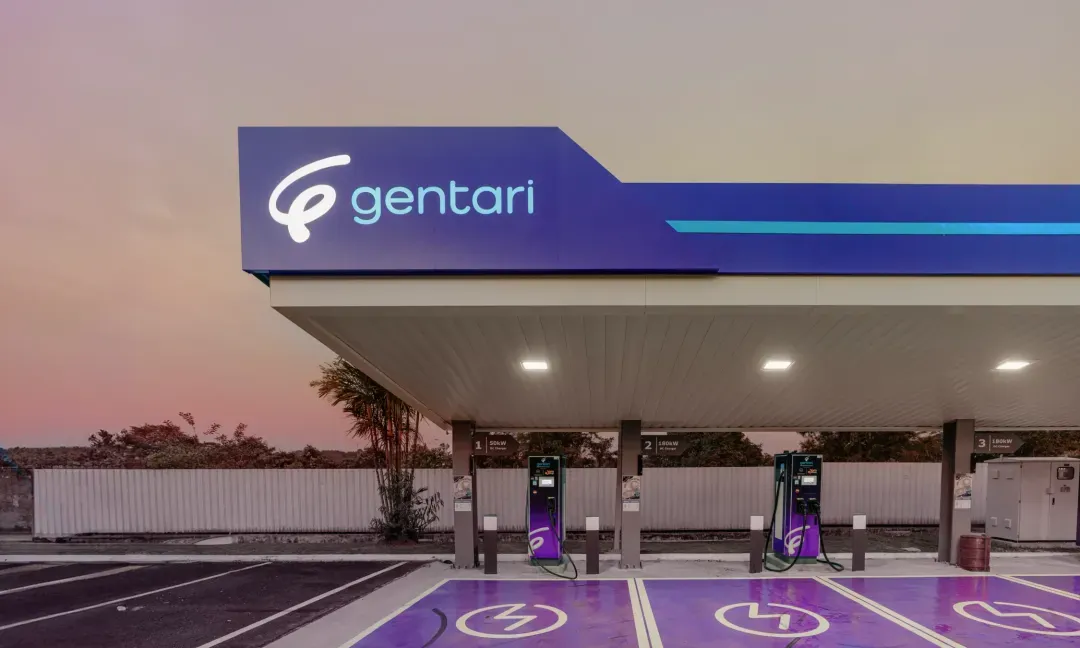
The recent announcement of Gentari and Gamuda’s joint venture to develop 1.5 GW of solar photovoltaic capacity with integrated battery energy storage systems (BESS) in Malaysia marks a significant milestone in the global energy transition, particularly for investors navigating the complex currents of both traditional and renewable energy markets. This ambitious project, structured under Malaysia’s Corporate Renewable Energy Supply Scheme (CRESS), is not merely about adding green electrons to the grid; it’s a strategic response to the explosive demand from hyperscale data centers, projected to require over 5 GW of reliable power in Malaysia alone by 2035. For oil and gas investors, understanding the implications of such large-scale renewable infrastructure is crucial, as it signals a fundamental shift in energy consumption patterns and presents both new challenges and compelling opportunities for capital deployment in a rapidly evolving energy landscape.
The Digital Economy’s Insatiable Energy Appetite and Renewable Solutions
The proliferation of cloud computing, artificial intelligence, and digital services is driving an unprecedented surge in demand for data center capacity globally. Malaysia, positioning itself as a key regional digital hub, is experiencing this growth acutely. The forecast of over 5 GW of power needed by hyperscale data centers in Malaysia by 2035 underscores a critical investment theme: reliable, sustainable energy is now a prerequisite for digital infrastructure expansion. The Gentari/Gamuda 1.5 GW solar and BESS project directly addresses this need, promising a stable, decarbonized power supply that aligns with the net-zero ambitions of global tech giants. For investors traditionally focused on fossil fuels, this trend highlights a diversifying energy demand profile where long-term, contracted renewable power offers predictable revenue streams, a stark contrast to the often cyclical and volatile nature of commodity markets. This steady demand from a growing sector represents a compelling argument for strategic diversification, even within portfolios historically dominated by oil and gas assets.
Navigating Market Volatility: A Case for Green Diversification
The current macro environment for energy commodities presents a stark picture of volatility, reinforcing the strategic appeal of stable, long-term renewable projects. As of today, Brent crude trades at $90.38, representing a significant 9.07% decline within the day, with its range fluctuating between $86.08 and $98.97. Similarly, WTI crude has seen a sharp drop to $82.59, down 9.41%, trading within a daily range of $78.97 to $90.34. This immediate downturn follows a broader trend over the past two weeks, where Brent has shed approximately 18.5% of its value, falling from $112.78 on March 30th to $91.87 just yesterday. Such pronounced swings in benchmark crude prices, coupled with a 5.18% drop in gasoline prices to $2.93 today, highlight the inherent risks and unpredictable nature of the traditional energy market. In this context, the predictable, contracted revenue streams offered by large-scale renewable energy infrastructure, like the 1.5 GW solar project, present an attractive hedge. Investors are increasingly seeking assets that offer stability and growth decoupled from the whims of geopolitical events and supply-demand imbalances that frequently roil crude markets. This pursuit of stability is a direct response to the kind of significant daily and bi-weekly price corrections observed across the oil complex.
Strategic Implications for O&G and Upcoming Market Catalysts
The shift towards massive renewable energy projects, driven by industrial demand, carries significant strategic implications for the traditional oil and gas sector. While O&G companies continue to supply the bulk of global energy, the Gentari/Gamuda collaboration underscores a growing competitive landscape. For investors, monitoring the response of major O&G players to this energy transition is critical. Will they accelerate their own renewable energy arms, or focus on optimizing existing hydrocarbon assets? The upcoming OPEC+ meetings on April 18th and 19th will be pivotal in shaping the immediate future of crude oil prices and, by extension, the strategic calculus for these companies. Any decisions regarding production quotas will directly impact global supply, influencing prices and potentially affecting investment flows into either traditional or renewable energy projects. Furthermore, the subsequent API and EIA weekly inventory reports on April 21st and 22nd, followed by the Baker Hughes Rig Count on April 24th, will offer granular insights into market fundamentals and drilling activity. These events, while seemingly disparate from a Malaysian solar project, are intrinsically linked in the broader energy investment narrative, as they collectively influence the risk-reward profile of allocating capital across the entire energy spectrum.
Investor Sentiment and the Drive for Green Returns
Our proprietary data on investor queries reveals a strong underlying interest in both the short-term performance of traditional oil and gas companies and the long-term trajectory of energy markets. Questions such as “How well do you think Repsol will end in April 2026?” or “What do you predict the price of oil per barrel will be by end of 2026?” highlight a desire for clarity amidst uncertainty. These queries aren’t just about price speculation; they reflect a deeper concern about the sustainability of conventional energy investments in a world increasingly prioritizing decarbonization. The Gentari/Gamuda project, therefore, is more than a regional development; it’s a testament to a global investment trend where capital is flowing towards tangible, large-scale renewable infrastructure. The involvement of a leading engineering firm like Gamuda, alongside Gentari’s existing 8 GW renewable capacity, signals bankability and delivery confidence—key factors for attracting Foreign Direct Investment (FDI). Investors are recognizing that projects like these offer a pathway to stable, long-term returns, supported by robust demand from the digital economy and increasingly favorable regulatory frameworks like CRESS, which aim to attract and retain investments from leading technology companies by ensuring access to clean, reliable power. This strategic alignment of policy, demand, and technological capability is what ultimately delivers sustainable value in the new energy paradigm.


