Galp Energia, Portugal’s leading energy firm, is strategically expanding its exploration footprint into high-potential African frontier markets, a move that signals a clear adaptation to the evolving global energy landscape. While the broader industry grapples with the long-term energy transition, immediate energy security concerns and robust fossil fuel demand are driving a renewed focus on upstream growth. This analysis delves into Galp’s calculated expansion, its major production assets, and how these initiatives position the company for sustained investor value in a dynamic market.
Navigating Volatility: Galp’s Upstream Bet in a Shifting Market
The global energy sector continues to be shaped by geopolitical events and a pragmatic reassessment of the energy transition’s pace. Galp’s leadership acknowledges that the shift to cleaner energy will take longer than initially anticipated, reinforcing the continued necessity of fossil fuels, particularly for Europe. This perspective underpins the company’s aggressive exploration strategy in regions like Namibia and São Tomé and Príncipe, where significant discoveries by industry majors have already garnered attention.
The current market environment underscores the rationale behind seeking high-reward exploration. As of today, Brent crude trades at $90.38, reflecting a notable -9.07% decline within the day and a significant -19.9% drop over the past 14 days, falling from $112.78. This volatility, even with a strong underlying demand narrative, can influence investment horizons, making long-term production assets even more critical. Our proprietary reader intent data shows investors are keenly focused on the future, frequently asking about oil price predictions for the end of 2026 and seeking clarity on OPEC+ production quotas. Galp’s upstream expansion directly addresses the potential for future supply gaps that these investor concerns highlight, positioning itself to capitalize on sustained demand.
Bacalhau: The Cornerstone of Current Production and Future Funding
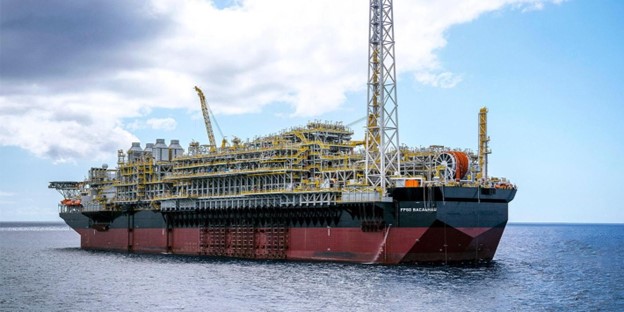
Central to Galp’s current production and future growth financing is the deepwater Bacalhau field in Brazil. This monumental project, where Galp holds a 20% stake, has recently commenced production and represents the company’s largest development to date. With an impressive capacity to pump 220,000 barrels per day (bpd), Bacalhau is set to dramatically boost Galp’s output. Management projects this single asset alone will increase Galp’s overall production by approximately 40% and generate about $400 million in free cash flow annually for the company.
This substantial cash flow from a proven, large-scale asset provides a critical financial foundation. It not only solidifies Galp’s immediate profitability but also serves as the primary engine to fund future investments across its diverse portfolio. This includes continued exploration in frontier regions, as well as strategic investments into renewables, biofuels, and hydrogen, demonstrating a pragmatic approach to balancing conventional energy dominance with emerging energy opportunities.
Frontier Exploration and Strategic Partnerships: Namibia and São Tomé
Beyond Brazil, Galp is actively pursuing growth in frontier African markets, recognizing the high-risk, high-reward nature of these underexplored basins. In Namibia, where the company holds an 80% stake in the offshore Mopane field, it is in advanced discussions to divest half of its interest. The strategic aim is to bring a partner on board by year-end, accelerating the transition from discovery to production. This move is characteristic of a disciplined exploration strategy, where initial success is de-risked and optimized through collaboration and shared capital expenditure.
Further bolstering its African presence, Galp holds licenses in São Tomé and Príncipe, an island nation off Africa’s west coast, where it has recently teamed up with Shell and Petrobras. This partnership with established majors validates the region’s long-term growth potential and spreads the inherent exploration risk. From an investor’s perspective, this balanced portfolio — with Bacalhau already producing, Namibia undergoing appraisal and attracting partners, and São Tomé offering substantial long-term optionality — presents a compelling growth narrative.
Investors tracking Galp’s upstream ventures should pay close attention to the broader market signals. The upcoming OPEC+ Joint Ministerial Monitoring Committee (JMMC) Meeting on April 19th, followed by the full OPEC+ Ministerial Meeting on April 20th, could significantly influence global supply dynamics and, by extension, the economic viability of new exploration projects. Furthermore, the weekly API and EIA crude inventory reports on April 21st, 28th and the Baker Hughes Rig Count on April 24th, May 1st, will offer ongoing insights into short-term supply trends and drilling activity, which are crucial indicators for the health of the upstream sector.
Balancing Hydrocarbon Growth with Energy Transition Investment
While upstream oil and gas accounted for a substantial 63% of Galp’s group earnings last year, highlighting its core business strength, the company is also acutely aware of the broader energy transition. Galp’s leadership asserts its expertise lies in developing complex energy projects, not solely in oil, and emphasizes using cash flow from projects like Bacalhau to finance its ventures into next-generation energy solutions. This strategy aims to ensure that Galp remains a relevant and competitive player in an evolving energy mix.
The company’s commitment to investing in renewables, biofuels, and hydrogen, while simultaneously pursuing aggressive hydrocarbon exploration, reflects a dual-path approach common among integrated energy companies. It acknowledges the persistent need for conventional fuels in the medium term, driven by global demand and energy security imperatives, while building capabilities for a decarbonized future. For investors, this balanced approach offers exposure to resilient conventional energy cash flows, coupled with strategic positioning in nascent but growing clean energy sectors, potentially mitigating future transition risks.