

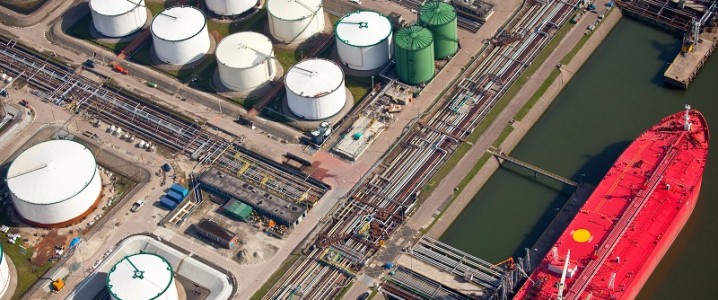
Marine fuel supply at the major Middle East bunkering hub of Fujairah has been disrupted after debris from an intercepted drone sparked a fire at an oil storage facility, forcing terminals to halt bunker barge loadings and tightening fuel availability in regional shipping markets.
The incident occurred on March 9 when debris from a drone intercepted by UAE air defence systems fell inside the Fujairah Oil Industry Zone, triggering a fire that damaged storage infrastructure. Authorities later said the blaze had been contained, but bunker terminals have suspended loading cargo onto barges until further notice.
Bunkering operations from barges to vessels are continuing for now using existing inventories, but traders say suppliers cannot replenish stocks until terminal operations resume. Market participants warn that supplies could quickly tighten once those floating inventories are depleted.
Fujairah is one of the world’s largest marine fuel hubs and a critical refuelling point for ships traveling between Asia, Europe and the Middle East. Disruptions at the port have already pushed bunker prices sharply higher, with traders reporting reduced offers and increased caution among suppliers.
The Fujairah disruption is part of a wider energy supply shock spreading across the Gulf as the conflict involving the United States, Israel and Iran continues to impact key infrastructure and shipping routes.
Related: Little-Known US Company Lands Important Pentagon Contract in Rare Earth Race
Traffic through the Strait of Hormuz—which normally carries roughly 20% of the world’s oil and gas—has slowed dramatically after attacks on tankers and threats to commercial shipping.
As exports stall and storage facilities fill, several Gulf producers have begun cutting oil production. Saudi Arabia has reduced output from some fields, while Iraq, Kuwait and the UAE have also scaled back production as crude struggles to leave the region.
Additional infrastructure outages have compounded the crisis. Drone attacks recently forced temporary shutdowns at major energy facilities including Saudi Arabia’s Ras Tanura refinery and LNG operations in Qatar, further tightening supply chains across global oil and gas markets.
Shipping companies are already feeling the impact. Rising fuel costs and limited bunker availability have prompted some operators to introduce emergency fuel surcharges as supply risks spread through maritime trade routes.
Analysts warn that if disruptions to Gulf energy infrastructure and tanker traffic persist, the combined effect of refinery outages, bunker supply shortages and upstream production cuts could trigger one of the most severe energy supply shocks in decades.
