

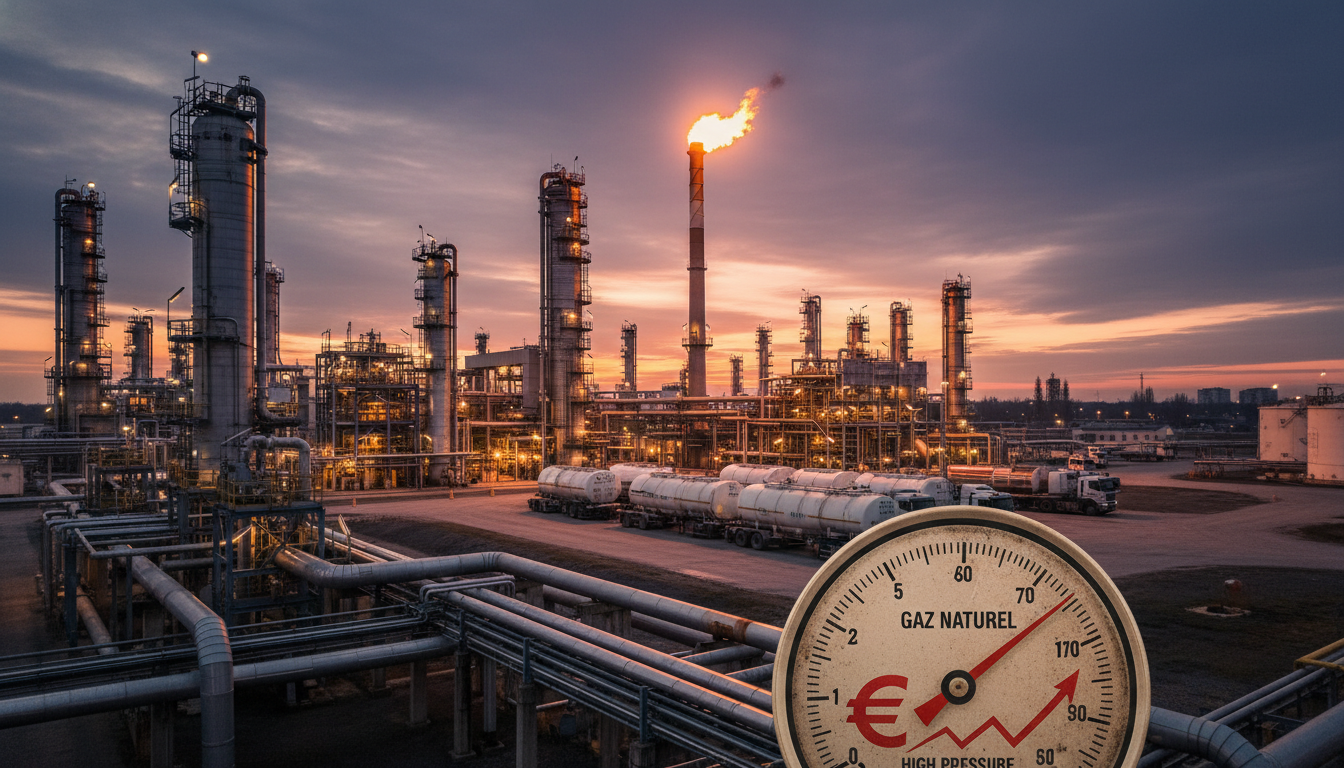
European Fuel Crisis Deepens Amid Global Supply Disruptions
Investors in the oil and gas sector are closely monitoring a rapidly unfolding fuel supply crisis across France, where hundreds of service stations have ceased operations due to depleted inventories. This disruption, primarily impacting major energy players like TotalEnergies SA, underscores the escalating fragility of global petroleum supply chains, exacerbated by ongoing geopolitical tensions in the Middle East and their downstream effects on critical shipping lanes.
Recent reports from the French energy ministry confirm that approximately 900 filling stations nationwide are currently experiencing shortages of at least one fuel type. A significant majority, around 700 of these sites, are part of TotalEnergies’ extensive network. The ministry attributes these localized outages not to an overall scarcity of domestic supply, but rather to complex logistical bottlenecks within the distribution system.
The Global Ripple Effect: Middle East Conflict and Shipping Straits
The immediate catalyst for this market stress extends far beyond France’s borders. The continuing conflict in the Middle East has profoundly impacted global energy markets, most notably by threatening the integrity and effective closure of the crucial Strait of Hormuz. This vital maritime chokepoint, through which millions of barrels of petroleum products transit daily, is now a source of considerable market anxiety. The repercussions of reduced or interrupted transit through this strait are tangible, manifesting in soaring fuel prices across international markets, widespread station outages, and even grounding of flights as fuel becomes increasingly scarce and expensive.
For investors, the Strait of Hormuz represents a systemic risk to the global oil supply chain. Any sustained disruption there would not only elevate crude prices but also trigger a severe shortage of refined products, with far-reaching economic consequences for industries reliant on stable and affordable fuel supplies.
TotalEnergies Navigates Demand Surges and Price Caps
TotalEnergies, a pivotal player in the French and European energy landscape, finds itself at the epicenter of this domestic crisis. The company recently extended its cap on petrol and diesel prices across mainland France, a measure now slated to remain in effect until April 7. This decision, while intended to alleviate consumer burden, has inadvertently triggered a rush by motorists to fill their tanks, particularly at TotalEnergies’ stations, leading to rapid depletion of localized stocks.
Government spokeswoman Maud Bregeon indicated that fewer than 10% of French gas stations face some form of shortage, primarily attributing the surge in demand to TotalEnergies’ price caps. Since mid-March, when these price caps were announced, TotalEnergies has observed a marked increase in traffic across its retail network. The firm has acknowledged experiencing localized supply tensions, with diesel being particularly affected, and stated its commitment to addressing the unusually high demand and restocking impacted stations promptly. This situation highlights the delicate balance energy companies must strike between consumer relief and maintaining operational stability in volatile markets.
Government Intervention and Strategic Reserves
In response to the escalating situation, the French government has moved to cushion the economic blow to several key sectors. A comprehensive support package includes €50 million (approximately $58 million) in direct fuel aid for small- and medium-sized road transport enterprises, a critical sector feeling the pinch of rising operational costs. Additionally, €5 million has been allocated to support the fisheries industry, with a further €14 million designated for farmers, all aimed at mitigating the direct impact of the war-driven fuel price hikes.
Despite the visible disruptions, government officials maintain a reassuring stance regarding overall energy security. Speaking on TF1 television, Minister Delegate for Energy Affairs Maud Bregeon firmly stated that “there is no risk of a supply shortage at this time.” She further emphasized France’s robust strategic oil reserves, currently standing at approximately 100 million barrels. Moreover, France has yet to fully deploy its committed 14.5 million barrels under the International Energy Agency’s (IEA) collective pledge, which aimed to release up to 400 million barrels globally. This strategic flexibility provides the nation with significant leverage to manage potential future supply shocks.
IEA’s Grave Warning and Investor Outlook
The broader context for this French crisis is underscored by the International Energy Agency’s stark assessment: the conflict in Iran has instigated the largest oil supply disruption ever recorded. This declaration sends a powerful signal to investors about the profound and unprecedented challenges confronting global energy markets.
Bregeon’s concluding remarks further reinforce the nation’s preparedness, noting, “We still have some leeway and will respond as much as necessary to occasional supply difficulties, which are also due to logistical issues.” For energy investors, these developments highlight the critical importance of monitoring geopolitical events, understanding the intricacies of global supply logistics, and assessing the resilience of major energy companies. The current environment demands a keen eye on potential bottlenecks, government interventions, and strategic reserve policies, all of which will shape the trajectory of oil and gas markets in the coming months.
