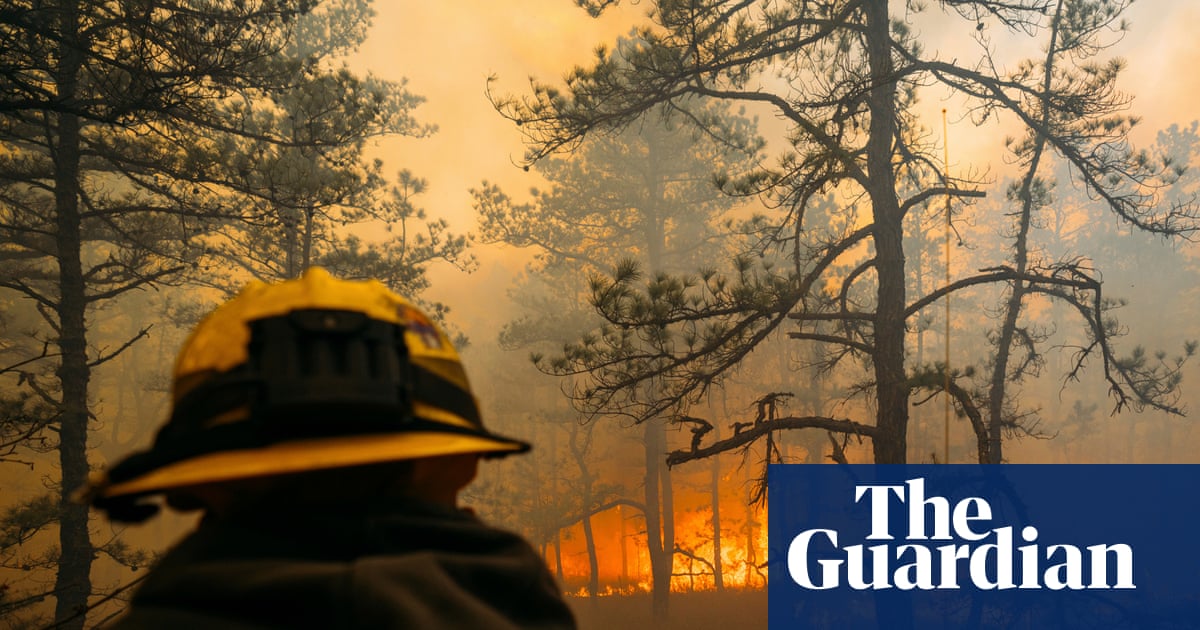
As the global energy markets continue to navigate geopolitical shifts, evolving demand patterns, and the perpetual dance of supply-side economics, an often-underestimated variable is quietly escalating: the risk of widespread wildfires across the United States. While investor attention frequently fixates on OPEC+ decisions or inventory reports, a critical vulnerability is emerging on the domestic front. Proprietary data indicates a severe and worsening staffing crisis within US wildfire management agencies, painting a concerning picture for the security of energy infrastructure and operations in fire-prone regions. This analysis delves into the implications of this growing threat, exploring how it complicates investment theses and introduces an unpredictable element into the oil and gas landscape.
The Widening Gap: US Wildfire Preparedness Crisis
The United States faces a critical shortfall in its ability to combat an increasingly active wildfire season. Internal staffing reports reveal that over 26% of firefighting positions across the US Forest Service remain vacant, representing more than 5,100 unfilled roles. This is not merely a quantitative problem; the deficiency is acutely felt in regions already facing extreme fire risk. For instance, the Pacific Northwest, a critical corridor for energy infrastructure, reports a staggering 39% vacancy rate. Similarly, the vast Intermountain region, encompassing nearly 34 million acres across key states like Utah, Nevada, Wyoming, Idaho, and California, is hobbled by a nearly 37% shortage. This personnel deficit creates dangerous gaps in immediate fire suppression capabilities, leading to more extensive and costly blazes. The situation is exacerbated by a severe lack of experienced middle management and senior leadership, meaning that even available crews may be unable to deploy safely or effectively. This operational strain translates directly into heightened physical risk for pipelines, storage facilities, and production sites located within or adjacent to wildland-urban interfaces.
Beyond the Headlines: Wildfire Risk and the Oil Market
While global benchmarks often capture the broader market sentiment, specific regional risks like an escalating wildfire season can introduce significant, localized volatility that eventually ripples outwards. As of today, Brent Crude trades at $94.64, reflecting a slight dip of 0.31% within a daily range of $94.42-$94.91. WTI Crude shows a similar trend at $90.9, down 0.43%. This immediate market reaction, however, might be overlooking the growing probability of supply disruptions on the North American continent. Over the past two weeks, Brent has trended down significantly, from $108.01 on March 26th to $94.58 on April 15th, a substantial decrease of over 12%. This downward pressure, driven by various market factors, could be abruptly challenged should a major wildfire event impact critical energy assets. A severe fire affecting a key pipeline hub in California, a refinery in the Pacific Northwest, or even widespread power outages in a major demand center due to fire-related grid strain could lead to localized price spikes for refined products like gasoline, which currently trades at $2.99, down 0.67% today. Investors must consider how this under-resourced fire response compounds the existing vulnerabilities of an interconnected energy network.
Investor Focus: Pricing in the Unpredictable
Our proprietary reader intent data reveals investors are keenly focused on building base-case Brent price forecasts for next quarter and understanding the consensus 2026 Brent outlook. These forward-looking analyses, however, often rely on established geopolitical, economic, and supply-demand models, potentially underestimating the impact of escalating domestic environmental risks. The current wildfire preparedness crisis directly complicates these forecasts, especially for investors with exposure to North American energy assets. A major wildfire incident could lead to unexpected production outages, transportation bottlenecks, and increased operational costs due to rerouting or enhanced protective measures. Furthermore, the risk extends beyond direct asset damage; regulatory scrutiny, higher insurance premiums, and potential ESG pressures related to climate resilience could become more prominent factors. Investors need to integrate a robust wildfire risk assessment into their due diligence, considering not just the probability of a fire, but the diminished capacity for effective suppression due to staffing and leadership shortages.
Navigating the Fire Season: Upcoming Catalysts and Mitigation
The energy calendar is packed with events that typically drive market sentiment and price discovery. While the market anticipates key industry data like the Baker Hughes Rig Count on April 17th and 24th, or the influential OPEC+ JMMC and Full Ministerial meetings on April 18th and 20th respectively, investors must also layer in the escalating wildfire threat. These scheduled events, along with the weekly API and EIA inventory reports on April 21st/22nd and April 28th/29th, provide crucial snapshots of supply and demand. However, a significant wildfire event could introduce an immediate, unscheduled supply shock that overshadows the impact of these routine releases. Forward-looking analysis must account for the increasing frequency and intensity of wildfires, compounded by the current staffing crisis. Energy companies operating in at-risk areas face a mandate to bolster their own internal fire mitigation strategies, invest in fire-resistant infrastructure, and develop robust emergency response plans. For investors, monitoring regional weather forecasts, company-specific resilience disclosures, and state-level fire agency updates will become as critical as tracking global inventory builds or OPEC production quotas in assessing true risk exposure through the upcoming fire season.


