The unveiling of Ferrari’s first fully electric vehicle, the Elettrica, marks a symbolic, albeit incremental, step in the global automotive industry’s pivot towards electrification. While the direct impact of a single luxury EV on global oil demand is negligible, this development from a venerable marque like Ferrari sends a clear signal about the enduring shift away from internal combustion engines. For oil and gas investors, this isn’t just a headline about a new supercar; it’s another data point reinforcing the long-term headwinds facing oil demand, compelling a deeper analysis of market dynamics, supply management, and strategic positioning in an evolving energy landscape. This analysis will delve into the broader implications, leveraging OilMarketCap’s proprietary data to offer a forward-looking perspective on what this means for your portfolio.
The Luxury EV Paradox: Slowing Demand Erosion, But Inevitable Direction
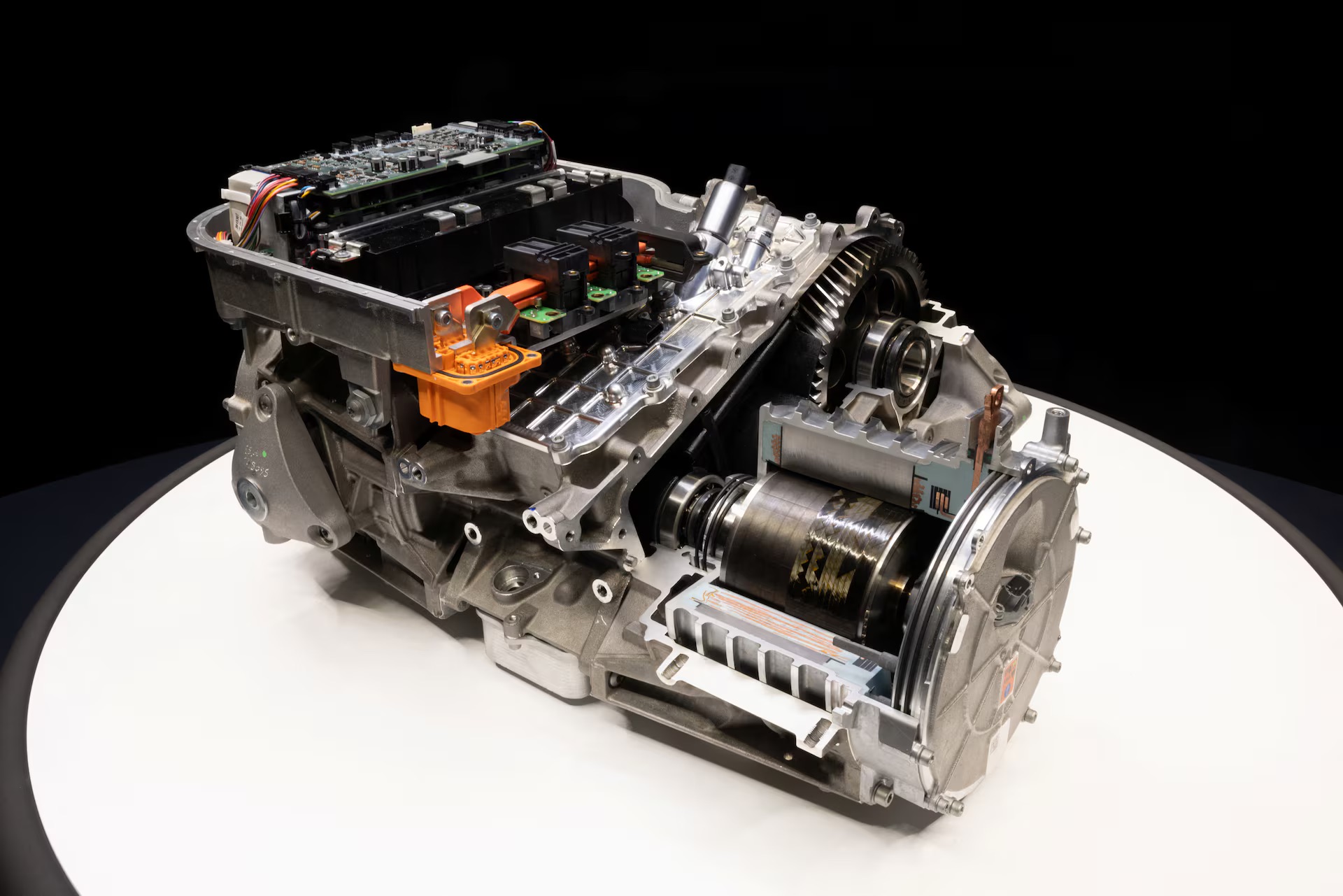
Ferrari’s entry into the pure EV market with the Elettrica, expected to debut next year, is a milestone that underscores the industry’s broader electrification trend. With a projected top speed of 310 km/h and a range of at least 530 km, the Elettrica aims to deliver a distinct electric driving experience. However, the path to electrification for luxury performance brands has been nuanced. Ferrari itself has tempered its ambitions, now targeting 20% of its lineup to be fully electric by 2030, a significant reduction from its previous 40% goal. This cautious approach, mirrored by rivals like Lamborghini delaying their first EV until 2029, suggests that while the direction is clear, the pace of transition in the ultra-luxury segment may be slower than initially projected.
This “addition, not transition” philosophy articulated by Ferrari’s CEO, Benedetto Vigna, for their own product strategy, offers a fascinating insight. For these high-end manufacturers, EVs complement their existing petrol and hybrid models, rather than immediately replacing them. Furthermore, the European Union’s 2035 ban on new fossil-fuel car sales provides some leeway for luxury brands through the potential use of high-cost synthetic e-fuels, which their affluent clientele can afford. While this might extend the life of some ICE models, the growing demand from younger, wealthy buyers for electric vehicles—as highlighted by former Aston Martin CEO Andy Palmer—means luxury brands cannot afford to ignore the EV trend. For oil demand, this translates to a gradual, rather than abrupt, erosion from the luxury segment, but an erosion nonetheless, influencing overall gasoline consumption patterns over the next decade.
Current Market Volatility Amidst Structural Demand Shifts
The long-term demand headwinds highlighted by the luxury EV trend are playing out against a backdrop of significant short-term market volatility. As of today, Brent crude trades at $90.38, marking a sharp 9.07% decline within the trading day, with prices ranging from $86.08 to $98.97. Similarly, WTI crude has seen a substantial drop, now at $82.59, down 9.41%, trading between $78.97 and $90.34. This aggressive downturn isn’t an isolated event; Brent crude has plummeted from $112.78 on March 30th to its current level, representing a significant 19.9% loss in less than three weeks. Gasoline prices have followed suit, currently at $2.93, down 5.18% today.
While macro-economic concerns, inventory builds, or geopolitical developments are likely the primary catalysts for such sharp daily and weekly price movements, the underlying narrative of peak oil demand being within sight, reinforced by developments like Ferrari’s EV, contributes to a bearish sentiment. Investors are increasingly weighing immediate supply-demand imbalances against the structural shifts in global energy consumption. The market is signaling a lack of confidence in sustained high prices when long-term demand growth is under scrutiny, making investment decisions more complex and emphasizing the need for robust risk management and forward-looking analysis.
Navigating Future Supply-Demand Dynamics: OPEC+ and Inventory Insights
Against this backdrop of evolving demand signals, investors are keenly focused on the forces that will shape oil prices through the remainder of 2026 and beyond. A common query from our readers, gleaned from our proprietary intent data, revolves around predicting the price of oil per barrel by the end of 2026, and understanding OPEC+’s current production quotas. The answers to these questions hinge significantly on upcoming events and ongoing supply management strategies.
The immediate spotlight falls on OPEC+. The **OPEC+ JMMC Meeting on April 19th**, followed swiftly by the **OPEC+ Ministerial Meeting on April 20th**, are critical junctures. These gatherings will determine the cartel’s production policy, directly influencing global supply. Any decisions regarding current quotas will send powerful signals to the market, potentially stabilizing prices or exacerbating volatility depending on whether they align with or defy market expectations. Following these, weekly data releases such as the **API Weekly Crude Inventory on April 21st** and the **EIA Weekly Petroleum Status Report on April 22nd** will offer crucial insights into the immediate supply-demand balance within the United States, a key consumption market. These reports, alongside the **Baker Hughes Rig Count on April 24th**, which indicates future drilling activity, provide essential short-term market intelligence. For investors looking to position themselves strategically, closely monitoring these events and data points is paramount to understanding potential price trajectories and the effectiveness of supply-side interventions in counteracting demand-side shifts.
Investment Implications: Strategic Positioning in a Transitioning Market
For oil and gas investors, Ferrari’s EV debut, coupled with current market volatility and the cautious stance of luxury automakers on electrification, underscores a critical imperative: adaptation. The “EV as an addition, not a transition” statement from Ferrari, while relevant for its brand strategy, doesn’t dilute the broader energy transition. For the oil market, it signifies a gradual but definite shift in consumption patterns. Investors seeking to capitalize on this evolving landscape must consider several strategic adjustments.
Firstly, the focus should be on companies with resilient business models, strong balance sheets, and a clear path to value creation even in a scenario of slowing oil demand growth. This includes operators with low-cost, high-return assets that can remain profitable even at lower price points. Secondly, diversification within the energy sector becomes increasingly important. Companies actively investing in carbon capture, hydrogen, renewables, or advanced biofuels are better positioned for the long term. While gasoline demand will persist for decades, the gradual shift away from it implies that refining margins may become more challenging, pushing refiners to pivot towards petrochemicals or niche fuel products like e-fuels. Finally, understanding the nuances of regional demand and regulatory environments is key. The EU’s 2035 ban, while offering some caveats for high-end vehicles, nonetheless signals a firm direction that will impact investment decisions and long-term asset valuations. Investors should prioritize companies that demonstrate agility in adapting to these evolving market dynamics, ensuring their portfolios are robust against both short-term market shocks and the inevitable, albeit gradual, energy transition.