

Navigating Macro Crosscurrents: A Volatile Path for Energy Investors
The global energy market finds itself at a precarious crossroads, where the collision of monetary policy, international trade tensions, and geopolitical dynamics is creating an unprecedented level of volatility for oil and gas investors. At the heart of this uncertainty lies the Federal Reserve’s delicate balancing act, attempting to steer the U.S. economy amidst conflicting signals and direct political pressure for looser financial conditions from the White House.
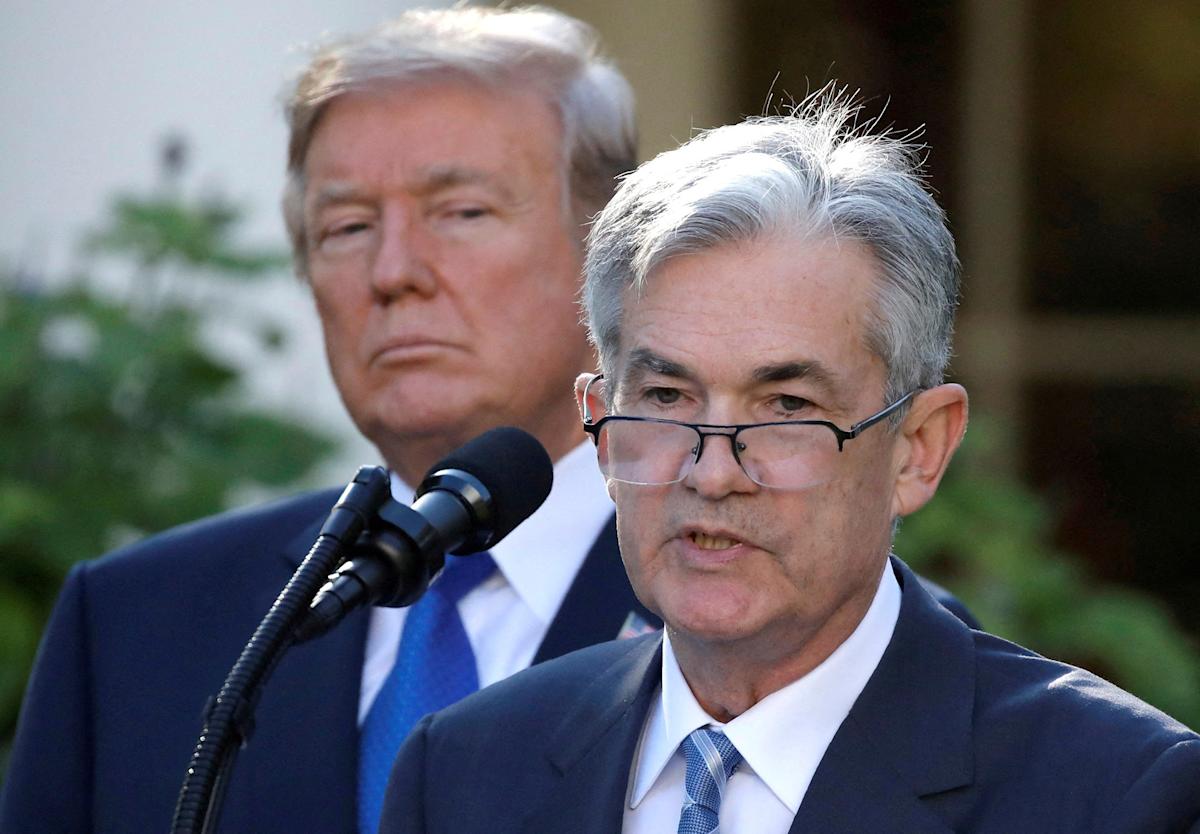
President Trump has vocally advocated for reduced interest rates, anticipating potential economic slowdowns that could arise from his administration’s tariff policies. This stance places him in direct contrast with Fed Chair Jerome Powell, who has consistently adopted a cautious “wait for greater clarity” approach. Powell’s strategy meticulously balances the central bank’s dual mandate: maintaining stable prices and achieving maximum employment. The Fed Chair recently indicated a “strong likelihood” that the U.S. economy might drift away from these crucial objectives for the remainder of the year, or at least show limited progress, underscoring the challenging path ahead for monetary policy and, by extension, global energy demand.
Conflicting Economic Signals Challenge Policy Makers
Recent economic data has only intensified the Fed’s dilemma, presenting a complex tapestry of conflicting signals that hinder any immediate, decisive policy shifts. A recent GDP report delivered a jolt to analysts and markets alike, indicating that the U.S. economy contracted for the first time in three years at the start of 2025. This downturn was largely attributed to an aggressive rush by importers to front-load purchases, effectively beating the implementation of President Trump’s tariffs. Such a distortion suggests that a portion of first-quarter economic activity was pulled forward, potentially setting the stage for softer growth in subsequent periods – a concerning prospect for sustained energy demand and global crude consumption.
Adding another layer to this economic puzzle, an April jobs report revealed surprising resilience in the labor market. This strength emerged even in the weeks following the administration’s “Liberation Day” announcements, which had initially rattled financial markets. While a robust job market can bolster consumer confidence and underpin demand for refined products, the persistent inflationary pressures continue to complicate the Fed’s decision-making. The central bank faces a tightrope walk: tightening monetary policy too aggressively risks pushing the economy into a recession, while loosening too readily could exacerbate inflation, eroding purchasing power and creating further instability.
Crude Markets React to Macro Headwinds and Inventory Surges
This macro-economic uncertainty translates directly into heightened volatility across crude markets. Brent crude, the international benchmark, recently traded above $70 per barrel, only to dip below that threshold as demand concerns mounted. West Texas Intermediate (WTI) crude, the U.S. benchmark, mirrored this pattern, reflecting the market’s sensitivity to global economic forecasts and supply-demand dynamics. These price swings are exacerbated by inventory data, which provides a tangible measure of market balance.
Recent reports have painted a bearish picture for U.S. crude stockpiles. The U.S. Energy Information Administration (EIA) reported a significant rise of 5.5 million barrels in domestic crude inventories, indicating ample supply. This was closely followed by the American Petroleum Institute (API) data, which showed an even larger increase of 6.8 million barrels. Such substantial builds in crude inventories exert downward pressure on prices, signaling either weaker-than-expected demand or an oversupply in the market, forcing investors to reassess their positions in energy equities and derivatives.
OPEC+, Geopolitics, and Global Supply Dynamics
Beyond macroeconomic factors, the actions of major oil producers and geopolitical flashpoints continue to shape the global supply landscape. The OPEC+ alliance, comprising OPEC members and other major producers like Russia, remains a critical force. The group collectively agreed to supply cuts of 1.2 million barrels per day (bpd) in December 2024, a strategy aimed at stabilizing prices and rebalancing the market. Saudi Arabia, as the de facto leader of OPEC, plays a pivotal role in this endeavor. Its energy minister, Khalid Al-Falih, has consistently emphasized a preference “not to shock the market,” indicating a cautious approach to production adjustments that seeks to avoid extreme price fluctuations.
Geopolitical risks further complicate the supply picture. Tightening U.S. sanctions on Iran continue to restrict the Islamic Republic’s oil exports, removing a significant volume from global markets. Concurrently, Venezuela’s ongoing political and economic crisis has led to a dramatic and sustained decline in its crude production, further impacting global supply. While these factors tend to support higher prices by reducing available supply, their impact is often weighed against broader demand concerns. The International Energy Agency (IEA) recently forecast that global oil demand growth is expected to slow to 1.3 million bpd in 2025, a deceleration that could offset some of the supply-side tightness.
The Persistent Force of U.S. Shale Production
Amidst these intricate dynamics, the relentless march of U.S. shale production remains a formidable and often disruptive force in the global oil market. The continued growth of American unconventional output acts as a significant counterbalance to OPEC+’s efforts to manage supply. This robust domestic production challenges the traditional influence of the cartel, ensuring a more competitive and often oversupplied market. The resilience and adaptability of U.S. shale producers mean that even with geopolitical tensions and OPEC+ interventions, the ceiling on crude prices often faces downward pressure from this prolific source.
Strategic Imperatives for Energy Investors
For discerning oil and gas investors, navigating this multifaceted environment demands vigilance and a strategic approach. The interplay between aggressive White House trade policies, the Fed’s cautious monetary stance, and the resulting economic uncertainty creates a challenging backdrop. Investors should prioritize companies with strong balance sheets, diversified asset portfolios, and a proven track record of operational efficiencies. Such enterprises are better positioned to weather price volatility and economic downturns.
Furthermore, understanding the nuances of global supply-demand dynamics, including OPEC+ strategies, geopolitical risks, and the persistent growth of U.S. shale, is crucial. Integrating hedging strategies can help mitigate short-term price exposure, while maintaining a long-term perspective on energy fundamentals remains paramount. In an era where macro policy decisions and geopolitical events can swiftly reshape market landscapes, informed decision-making based on a comprehensive understanding of these interconnected forces will be key to unlocking value in the oil and gas sector.
