

Fed Holds Rates Steady Amid Emerging Inflationary Headwinds for Energy Markets
Global financial markets, particularly those tracking the dynamic oil and gas sector, closely observed the Federal Reserve’s latest monetary policy announcement. The central bank opted to maintain its benchmark interest rate at 4.3% for the third consecutive meeting. This decision marks a significant shift from late last year, when a series of three rate reductions fueled expectations among many analysts and Wall Street participants for further easing throughout 2024. However, a rapidly evolving economic landscape, primarily influenced by the specter of new trade tariffs, now introduces a complex and potentially challenging dynamic for the energy industry and broader commodity investments.
The Fed’s Balancing Act: Navigating Uncharted Economic Waters
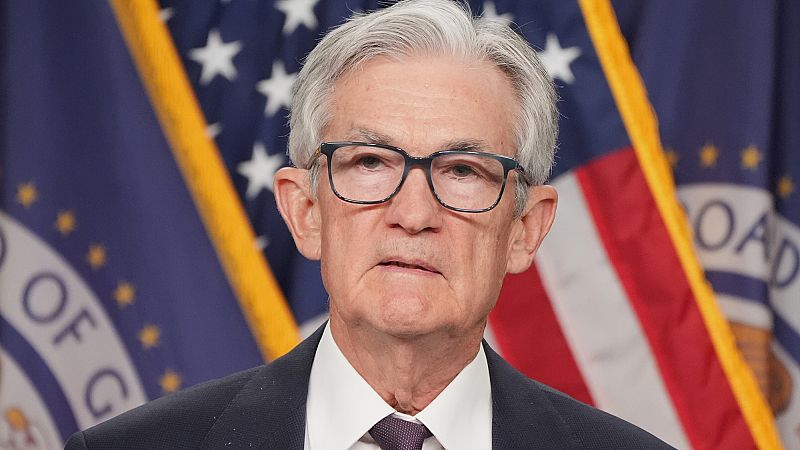
Following the rate decision, Fed Chair Jerome Powell addressed the press, highlighting the potential dampening effect that announced tariffs could have on both consumer and business confidence. While these proposed duties have not yet inflicted tangible economic damage, Powell underscored profound uncertainty regarding their long-term implications and, critically, the appropriate monetary policy response. He issued a stern warning: a sustained implementation of substantial tariffs would likely ignite inflationary pressures, decelerate economic expansion, and elevate unemployment figures. The precise duration and persistence of these impacts remain unclear, compelling the central bank to adopt a “wait and see” posture.
This scenario presents an unusual dilemma for the Federal Reserve. Historically, the central bank typically confronts either rising prices or increasing joblessness, but rarely both simultaneously. Inflationary surges, for instance, often occur when robust consumer spending outstrips available supply, prompting businesses to raise prices, a phenomenon observed in the aftermath of the pandemic. Conversely, a weakening economy usually triggers widespread job losses, which in turn cools consumer spending and helps to tame inflation. The prospect of an economy grappling with both heightened unemployment and accelerating inflation is a scenario that deeply concerns central bankers, as it severely complicates their traditional policy toolkit and makes effective intervention much more difficult.
Stagflationary Threats Looming for Oil and Gas Investors
This challenging combination of higher unemployment and steeper inflation is commonly known as “stagflation,” an economic condition last experienced on a sustained basis during the turbulent oil shocks and recessions of the 1970s. For discerning oil and gas investors, the historical parallel is particularly stark and warrants close attention. Most economic commentators now suggest that sweeping import taxes pose a credible threat of such a stagflationary environment materializing. These tariffs could directly fuel inflation by making imported components and finished goods more expensive for domestic businesses and consumers alike. Simultaneously, they could lead companies to cut jobs as their operational costs escalate due to higher import prices and potentially reduced demand.
Such a dual impact could create an inherently volatile environment for energy companies, affecting both their input costs – from steel for pipelines to specialized equipment for drilling – and the overall demand for their refined products and raw commodities. The Fed’s core mandate revolves around maintaining price stability and maximizing employment. Traditionally, when inflation rises, the central bank tightens monetary policy by increasing interest rates to curb borrowing and spending, thereby cooling the economy and bringing prices down. Conversely, when unemployment rises, the Fed typically lowers rates to stimulate economic activity and encourage job creation. However, in a stagflationary environment, these two objectives clash, leaving policymakers with difficult choices and potentially ineffective tools.
Energy Sector Resilience in an Inflationary Climate
While the broader economic outlook appears fraught with challenges, the energy sector often exhibits a unique resilience during periods of inflation. Crude oil, natural gas, and other commodities frequently serve as hedges against rising prices, appreciating in value as the purchasing power of currency diminishes. For exploration and production (E&P) companies, higher commodity prices can directly translate into increased revenues and improved profitability, provided their operational costs do not outpace these gains. Midstream operators, typically characterized by stable, fee-based revenues, might see their volumes impacted by slower economic growth but could also benefit from inflationary pressures on their asset valuations and long-term contract structures. Downstream refiners and chemical producers face a more nuanced situation, as higher crude input costs could squeeze margins, though strong product demand could offset some of these pressures.
The “higher for longer” interest rate environment, implicitly signaled by the Fed’s hold, also carries significant implications for oil and gas firms. Companies with substantial debt loads or those heavily reliant on external financing for capital expenditures could face increased borrowing costs, potentially impacting project viability and investment decisions. However, many major energy players have significantly strengthened their balance sheets in recent years, reducing debt and prioritizing shareholder returns, which could provide a buffer against tighter credit conditions. Investors should scrutinize company financials, focusing on debt-to-equity ratios, free cash flow generation, and dividend policies to identify those best positioned to navigate this uncertain economic terrain.
Strategic Considerations for Oil and Gas Investors
Given the confluence of potential tariffs, persistent inflation risks, and a cautious Fed, oil and gas investors need to approach the market with a well-defined strategy. Diversification within the energy sector, encompassing upstream, midstream, and downstream segments, can help mitigate risks. Exposure to companies with strong hedging programs for commodity price volatility and those focused on cost efficiencies will be crucial. Furthermore, considering global demand drivers beyond domestic economic concerns, particularly from emerging markets, remains vital for understanding the long-term trajectory of energy prices.
The current environment underscores the importance of energy as a fundamental asset class. While the potential for stagflation presents genuine headwinds, the inherent value of oil and gas in powering the global economy often allows the sector to outperform during inflationary periods. Investors who conduct thorough due diligence and identify companies with robust operational frameworks, prudent financial management, and adaptable strategies will likely be best equipped to capitalize on the opportunities and mitigate the risks posed by the Fed’s cautious stance and the evolving economic landscape.
