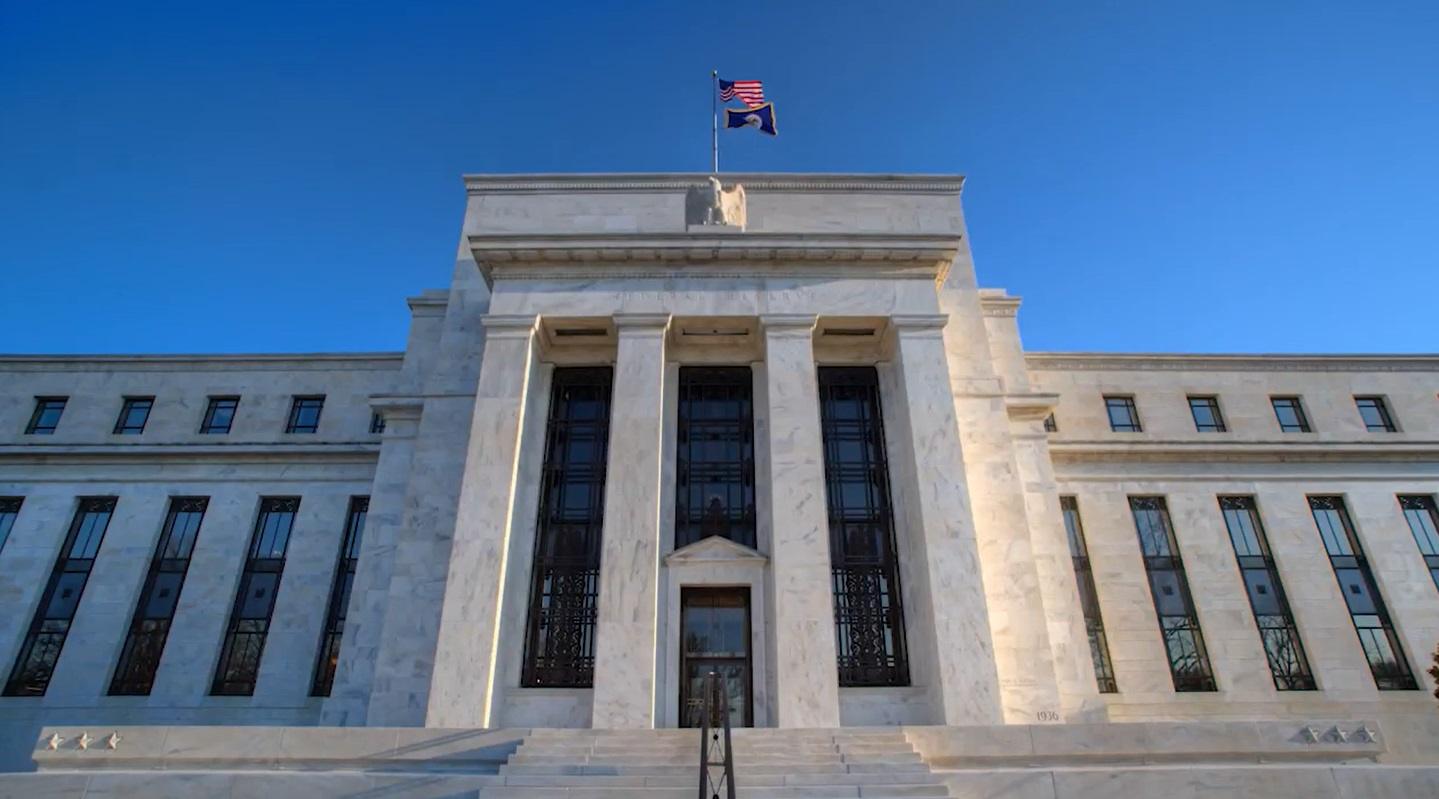
The U.S. financial regulatory landscape for the energy sector just underwent a significant transformation. The Board of Governors of the Federal Reserve System (Fed), Federal Deposit Insurance Corporation (FDIC), and Office of the Comptroller of the Currency (OCC) have collectively announced the withdrawal of the interagency Principles for Climate-Related Financial Risk Management for Large Financial Institutions. This move, which scraps a framework established just last year to guide banks with over $100 billion in assets on managing climate-related physical and transition risks, carries profound implications for capital allocation, project financing, and investor sentiment within the oil and gas industry. For investors navigating a complex market, understanding this policy shift is crucial for assessing future growth trajectories and risk profiles of energy companies.
A Regulatory U-Turn: Easing the Pressure on Energy Financing
The decision by leading U.S. banking regulators to rescind their climate-related financial risk principles marks a notable pivot from recent policy trends. These principles, introduced in 2023, were designed to encourage large financial institutions to integrate climate considerations into their risk management frameworks, ostensibly to safeguard their financial soundness against potential climate impacts. However, in their latest communication, the Fed, FDIC, and OCC now contend that such specific guidelines are “not necessary,” asserting that banks already possess robust risk management practices under existing safety and soundness standards. Furthermore, a memo to Fed staff indicated the climate principles might have been “distracting large financial institutions from the management of material financial risks.”
This withdrawal is not an isolated event but rather the latest in a series of actions by federal agencies to roll back climate-focused directives from the prior administration. This includes the Fed’s earlier departure from the Network of Central Banks and Supervisors for Greening the Financial System (NGFS), a global alliance focused on climate and green finance. The shift signals a reduced regulatory burden on banks regarding their exposure to climate-related risks, which, in turn, could translate into a more favorable lending environment for traditional energy projects. While some, like Governor Michael Barr, argue the rescission defies logic as climate-related financial risks are increasing, the majority decision underscores a strategic repositioning that prioritizes traditional financial stability and growth over climate-specific risk mandates.
Market Dynamics Amidst Policy Shifts: A Current Snapshot
The long-term implications of this regulatory shift arrive at a time of significant volatility in the global crude markets. As of today, Brent Crude trades at $90.38, reflecting a substantial 9.07% decline within the day, with its range spanning $86.08 to $98.97. Similarly, WTI Crude has fallen to $82.59, down 9.41% on the day, moving between $78.97 and $90.34. Gasoline prices have also seen a downturn, currently at $2.93, a 5.18% drop. This daily snapshot is part of a broader trend, with Brent crude having retreated by nearly 20% in the last two weeks, falling from $112.78 on March 30th to today’s levels. While these price movements are driven by a multitude of global supply-demand factors, geopolitical tensions, and macroeconomic concerns, the removal of climate risk principles by U.S. regulators introduces a new, potentially positive structural element for the energy sector.
This regulatory easing, by potentially reducing the cost of capital or increasing the willingness of banks to finance oil and gas projects, could provide a counter-narrative or a supportive tailwind against current price headwinds. For energy companies, easier access to capital for exploration, production, and infrastructure development might bolster long-term supply capabilities, even as short-term market dynamics dictate price fluctuations. Investors should view this as a fundamental shift that could improve the financial viability and growth prospects of conventional energy assets, potentially mitigating some of the downside risk associated with broader market volatility.
Forward Outlook: Capital Flows and Upcoming Catalysts
The withdrawal of these climate principles could unlock significant capital flows for the oil and gas sector. Banks, no longer explicitly tasked with managing “climate-related financial risks” in the same prescriptive manner, may face fewer internal and external pressures to de-risk their portfolios from fossil fuel exposure. This translates into a potentially more accommodating lending environment for new drilling campaigns, midstream infrastructure projects, and even mergers and acquisitions within the energy space. Companies previously struggling to secure financing due to perceived climate risks might find a more receptive audience among lenders.
Looking ahead, this shift in U.S. regulatory policy will interact with crucial global supply decisions. Investors will be keenly watching the upcoming OPEC+ Joint Ministerial Monitoring Committee (JMMC) Meeting on April 19th, followed by the full OPEC+ Ministerial Meeting on April 20th. These gatherings are pivotal for determining global production quotas and, consequently, the near-term supply outlook. Additionally, weekly data from the API and EIA, including the API Weekly Crude Inventory on April 21st and the EIA Weekly Petroleum Status Report on April 22nd, will offer insights into domestic inventory levels and demand trends. The Baker Hughes Rig Count on April 24th will provide a snapshot of drilling activity, which could be an early indicator of how quickly U.S. producers respond to a potentially improved financing landscape. The confluence of these global supply decisions and the newly eased U.S. financial regulations will be critical in shaping the investment thesis for the coming months.
Investor Focus: Addressing Price Predictions and Capital Deployment
Our proprietary data indicates that investors are intensely focused on future oil prices, with common inquiries centering on “what do you predict the price of oil per barrel will be by end of 2026?” and specific stock performance like “How well do you think Repsol will end in April 2026.” While precise price predictions are notoriously challenging given geopolitical uncertainties and evolving demand patterns, this regulatory rollback offers a tangible, fundamental shift that could influence the long-term supply side of the equation. By potentially reducing the friction and cost associated with financing new oil and gas projects, the withdrawal of climate risk principles could support increased production capacity over time.
For companies like Repsol and other integrated energy majors, easier access to capital could translate into accelerated project development, enhanced operational flexibility, and potentially stronger balance sheets. This environment allows companies to prioritize returns to shareholders and strategic growth initiatives without the added burden of meeting specific climate-risk reporting and mitigation requirements from their lenders. Investors should therefore factor this reduced regulatory headwind into their models when evaluating the long-term prospects and valuation of energy companies, recognizing that while short-term price volatility persists, the foundational cost of capital for the sector may have just improved.


