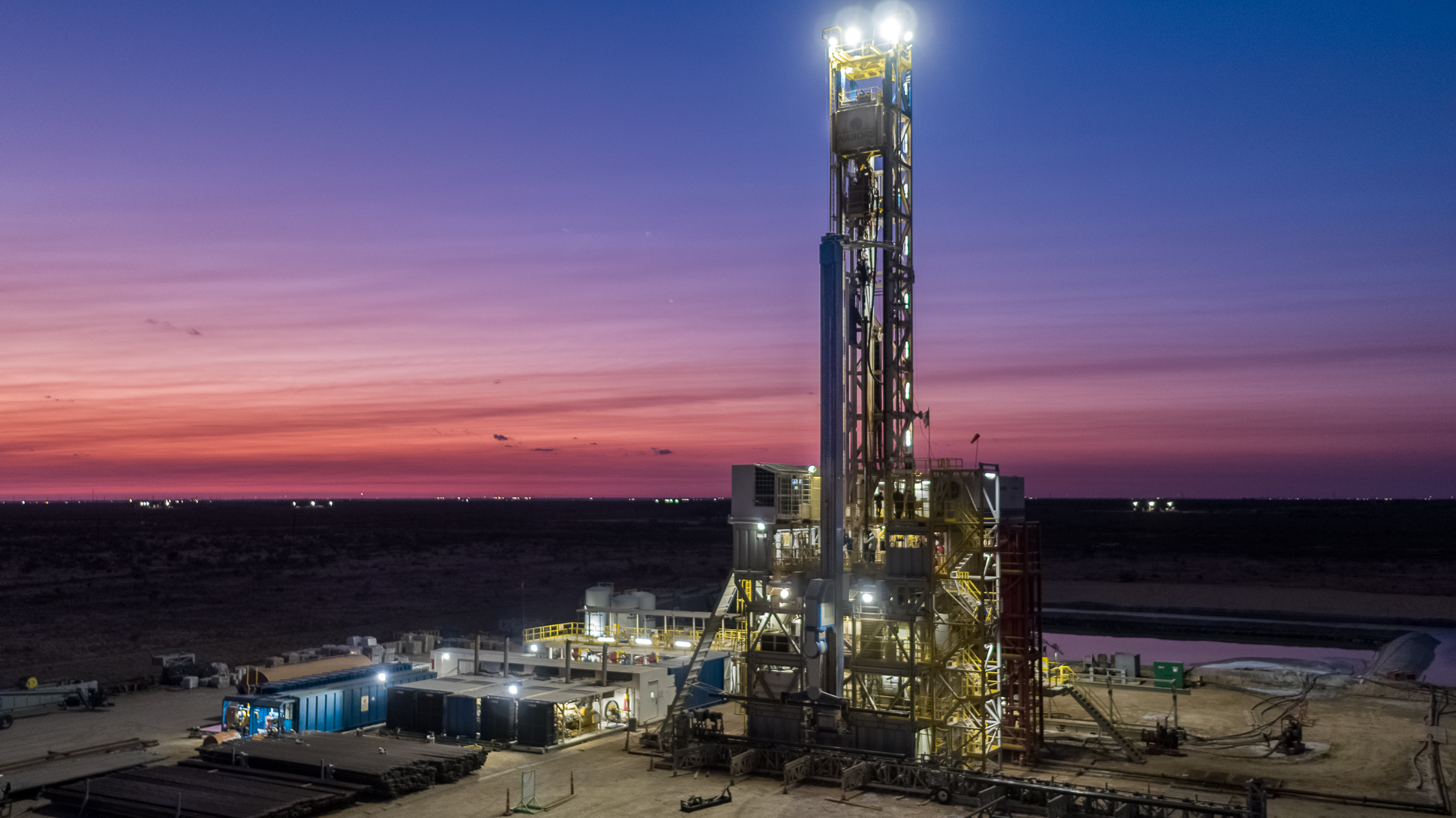
In an energy landscape frequently swayed by shifting narratives and ambitious decarbonization goals, ExxonMobil stands firm on a long-term investment thesis centered squarely on traditional fossil fuels. The Texas-based energy giant continues to project robust demand for oil and gas extending decades into the future, a stance that sharply contrasts with some industry peers who have pivoted towards renewables with mixed success. This unwavering commitment to hydrocarbons, particularly in high-growth regions like the Permian Basin and through significant liquefied natural gas (LNG) expansion, forms the bedrock of ExxonMobil’s strategy, offering a distinct path for investors seeking exposure to sustained global energy demand.
ExxonMobil’s Unwavering Conviction in Long-Term Energy Demand
ExxonMobil’s leadership articulates a clear and consistent message: global energy demand is set to grow significantly, and fossil fuels will remain indispensable to meet this expansion. The company’s long-term outlook posits that oil and gas will collectively maintain a 55% share of the global energy mix through 2050. This projection acknowledges substantial growth in low-carbon sources but emphasizes a commensurate increase in overall consumption, preventing any material decline in hydrocarbon’s proportional contribution. This perspective drives ExxonMobil’s strategic investment decisions, with the company’s upstream president highlighting the flawed “math” behind peers who previously committed to aggressive production cuts, only to backtrack as returns proved elusive in alternative energy ventures.
This conviction is not merely theoretical; it underpins substantial capital allocation. Rather than “chasing the narrative of the week,” ExxonMobil is channeling investments into projects with multi-decade lifespans, confident in their enduring necessity. While oil demand may plateau around 2030, the company anticipates significant growth in natural gas, positioning LNG as a critical component of its future portfolio. This strategic foresight focuses on delivering reliable energy solutions while maximizing shareholder value, differentiating ExxonMobil’s approach in a complex and evolving global energy market.
Permian and LNG: Pillars of Future Production Growth
At the heart of ExxonMobil’s growth strategy are two key regions and one rapidly expanding commodity: the Permian Basin and liquefied natural gas. The company is investing heavily in oil production growth within the prolific Permian, recognizing its cost-efficiency and immense resource potential. This commitment ensures a steady pipeline of conventional crude supply, underpinning the company’s oil production targets for years to come.
Equally significant is ExxonMobil’s aggressive expansion in LNG, with an ambitious goal to double its sales of liquefied natural gas by 2030. This growth is already manifesting with the Golden Pass LNG operation, a joint venture along the Texas Gulf Coast, projected to come online within the next few months. Looking further ahead, the company is poised to make final investment decisions on major LNG projects in Mozambique and Papua New Guinea by the end of next year. These strategic developments are crucial for capitalizing on the anticipated material growth in global gas demand, providing diversified revenue streams and strengthening ExxonMobil’s position as a leading global energy supplier.
Navigating Market Volatility: Investor Focus Amidst Long-Term Strategy
While ExxonMobil maintains a steadfast long-term outlook, investors frequently seek clarity on the immediate market dynamics that can influence valuations and short-term returns. Our proprietary reader intent data reveals a consistent focus on fundamental market questions, with investors actively querying “What are OPEC+ current production quotas?” and “What is the current Brent crude price?”. These questions underscore the importance of understanding the interplay between a company’s long-term vision and the ever-present fluctuations of the global oil and gas market.
ExxonMobil’s strategy, while focused on decades, operates within this dynamic environment. The company’s diversified asset base, encompassing both oil and gas, and its commitment to efficiency in core basins like the Permian, offers a degree of resilience against short-term price swings. However, investor sentiment remains sensitive to supply-side decisions from major producers and real-time commodity pricing, making these queries essential for assessing the broader investment landscape. A robust long-term thesis is more compelling when supported by a clear understanding of current market conditions and their potential impact.
Current Market Headwinds and Upcoming Catalysts
The immediate market backdrop for oil and gas investment presents a nuanced picture. As of today, Brent Crude trades at $98.17 per barrel, reflecting a 1.23% decrease within a daily range of $97.92 to $98.67. Similarly, WTI Crude stands at $89.76, down 1.55% for the day, with a range of $89.57 to $90.26. Gasoline prices also show a slight dip, trading at $3.08, a 0.32% decline within a $3.08 to $3.10 range. This recent softness follows a more pronounced trend, with Brent crude having retreated by $14, or 12.4%, over the past 14 days, from $112.57 on March 27th to $98.57 on April 16th.
Against this backdrop of recent price corrections, several key events on the immediate horizon could significantly influence market sentiment and price trajectories. The OPEC+ Joint Ministerial Monitoring Committee (JMMC) meets tomorrow, April 17th, followed by the Full Ministerial OPEC+ Meeting on April 18th. These gatherings are crucial for assessing global supply policy and potential adjustments to production quotas, directly impacting crude benchmarks. Further insights into supply-demand fundamentals will come from the API Weekly Crude Inventory report on April 21st, and the EIA Weekly Petroleum Status Report on April 22nd. Investors will closely monitor these events for signals on the short-term market direction, even as ExxonMobil remains focused on its long-term growth objectives. The Baker Hughes Rig Count reports, scheduled for April 24th and May 1st, will also provide ongoing indicators of drilling activity and future supply trends, particularly relevant for understanding Permian basin expansion plans.