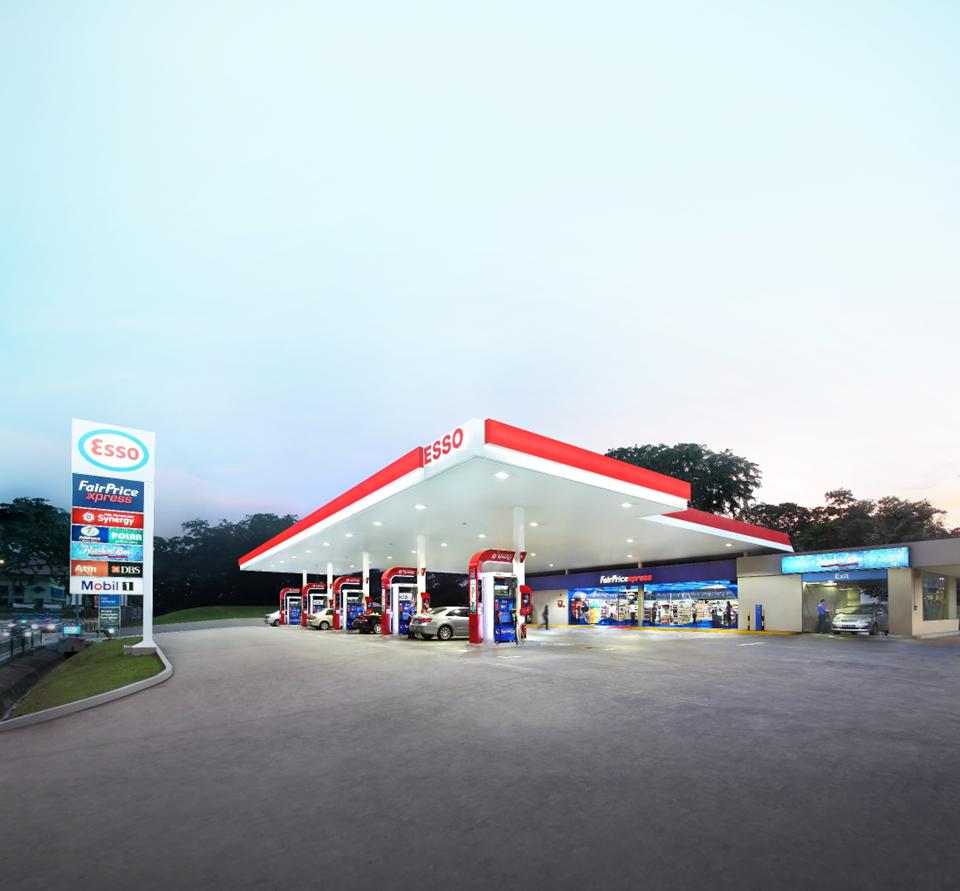
Indonesian industrial conglomerate Chandra Asri, led by the influential tycoon Prajogo Pangestu, has significantly expanded its footprint in Singapore’s energy sector with the strategic acquisition of ExxonMobil’s 60 retail fuel stations operating under the Esso brand. This move is more than a simple asset transfer; it represents a calculated maneuver by Chandra Asri to solidify its position as an integrated energy and petrochemical powerhouse in Southeast Asia. For investors tracking the dynamic shifts in global energy markets, this transaction underscores divergent strategies between regional growth champions and established international majors, offering compelling insights into where capital is flowing and value is being created.
Chandra Asri’s Integrated Growth Strategy in Southeast Asia
This latest acquisition by Chandra Asri is a testament to its ambitious vision for integrated regional growth. The company, already a significant player with an oil refinery and advanced petrochemical facilities in Singapore, now adds a crucial downstream retail component to its portfolio. The acquisition of these 60 fuel stations creates a comprehensive value chain, extending from refining and petrochemical production all the way to direct consumer sales. This integration is designed to enhance operational efficiencies, capture greater margins across the energy supply chain, and secure direct market access in a key economic hub.
Chandra Asri’s President and CEO, Erwin Ciputra, articulated this strategic imperative, highlighting the expansion into Singapore’s retail fuels ecosystem as a pivotal step in shaping an integrated platform for regional growth. Singapore’s robust fuel retail network and business environment provide a compelling foundation for such an advancement. This transaction builds upon Chandra Asri’s prior strategic move in April, when its majority-owned joint venture with Glencore acquired Shell’s Singapore refinery and petrochemical operations for an estimated $1 billion. Taken together, these acquisitions illustrate a clear and aggressive strategy to build a formidable, end-to-end energy and manufacturing infrastructure in the region. Pangestu’s wider empire, encompassing Barito Pacific and the publicly listed coal mining firm Petrindo Jaya Kreasi, further underscores the scale and ambition driving Chandra Asri’s expansion.
Market Volatility and Strategic Divestments by Global Majors
The timing of this divestment by ExxonMobil, a global energy giant, against a backdrop of significant market volatility, offers a sharp contrast to Chandra Asri’s expansion. As of today, Brent crude trades at $90.38 per barrel, marking a sharp 9.07% decline within the day, with a wider range of $86.08 to $98.97. Similarly, WTI crude stands at $82.59, down 9.41% for the day, having traded between $78.97 and $90.34. This daily swing is part of a broader trend, with Brent having fallen nearly 20% over the past 14 days, from $112.78 to its current level. Gasoline prices have also seen a notable decline, currently at $2.93, down 5.18% today.
Such acute market fluctuations in crude and refined product prices heavily influence profitability across the energy value chain. For international majors like ExxonMobil, facing increasing pressure from shareholders for capital discipline and a focus on higher-return core assets, divesting non-core downstream assets like retail fuel networks becomes a strategic priority. These divestments free up capital for investments in upstream exploration and production, or in integrated projects deemed more central to their long-term energy transition strategies. The sale to Chandra Asri reflects a continuing trend of global majors streamlining their portfolios, allowing regional players with specific growth mandates to acquire established infrastructure and expand their market presence.
Forward Outlook: Integration, Regulation, and Upcoming Catalysts
The acquisition is expected to finalize by the end of 2025, contingent upon regulatory approvals. This timeline provides Chandra Asri ample opportunity to plan the seamless integration of these new retail assets into its existing Singaporean operations. The success of this integration will be critical for realizing the full strategic value of the deal, from optimizing supply chains to leveraging brand synergies.
Looking ahead, the broader energy market will continue to be shaped by several key events that directly impact the profitability and strategic positioning of integrated players like Chandra Asri. The upcoming OPEC+ Joint Ministerial Monitoring Committee (JMMC) Meeting on April 19, followed by the full OPEC+ Ministerial Meeting on April 20, will be crucial in setting crude production quotas. Any changes could significantly influence crude prices and, consequently, refined product margins across Asia. Furthermore, weekly data releases such as the API Crude Inventory (April 21, April 28) and the EIA Weekly Petroleum Status Report (April 22, April 29) will provide vital insights into demand trends and inventory levels, directly affecting the operational environment for retail fuel networks. The Baker Hughes Rig Count (April 24, May 1) offers a forward indicator of future supply from North America. These events will dictate the market conditions under which Chandra Asri will operate its expanded retail network, making diligent monitoring essential for investors.
Beyond its conventional energy expansion, Chandra Asri is also investing in the future, with a facility under construction to manufacture caustic soda, a key ingredient for electric vehicle batteries. This diversification signals a balanced strategy, acknowledging both current energy demands and the evolving landscape of the energy transition.
Investor Focus: Navigating Regional Growth and Portfolio Strategy
For investors actively engaged in the oil and gas sector, this transaction offers valuable lessons. Many are currently grappling with questions about the future trajectory of oil prices, with some asking about predictions for crude per barrel by the end of 2026, and others seeking clarity on OPEC+’s current production quotas. Chandra Asri’s aggressive expansion in Singapore, a premium market, signals a strong conviction in the sustained demand for conventional fuels and petrochemicals in Southeast Asia, even as the global energy mix evolves.
This acquisition highlights a compelling narrative: while global majors may shed downstream assets to pivot towards “greener” or higher-margin upstream ventures, regional conglomerates see immense value in consolidating and integrating these very assets. For portfolios seeking exposure to regional growth stories and robust downstream margins, Chandra Asri’s strategy is particularly noteworthy. It underscores the continued strategic importance of securing distribution channels and building integrated value chains in key consumption markets. Investors should watch how Chandra Asri integrates these assets and leverages its expanded presence to drive profitability, especially given the ongoing volatility in crude markets and the evolving regional demand landscape.