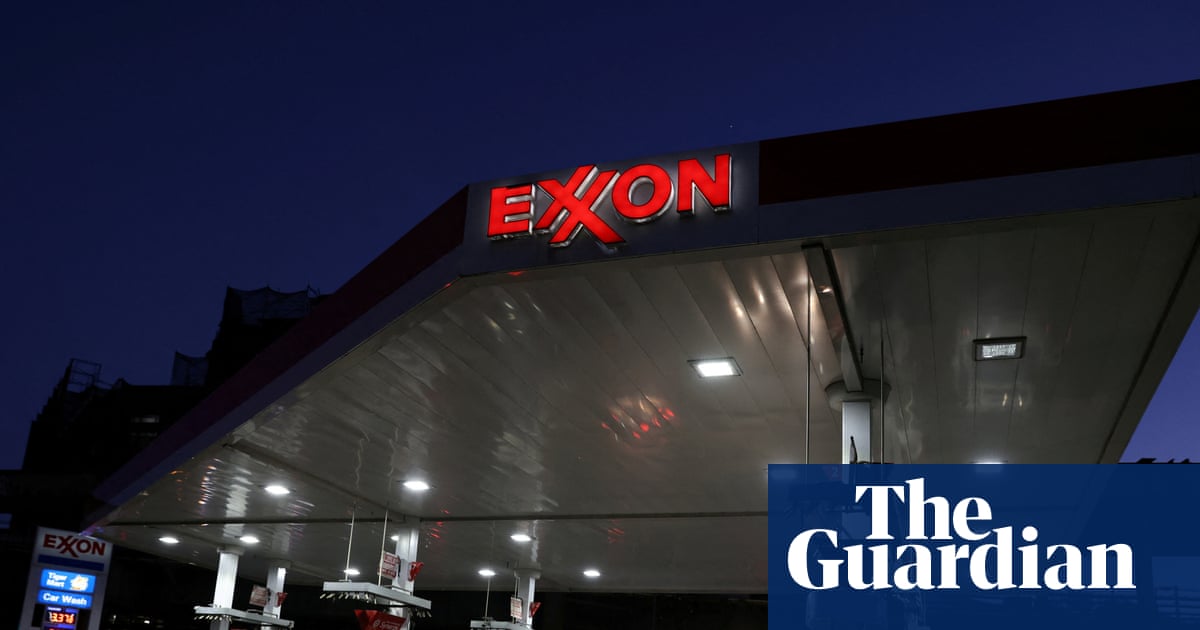
The energy sector is no stranger to regulatory challenges, but a recent legal move by Exxon against the state of California introduces a significant new dimension to the ongoing debate around corporate climate responsibility and investor transparency. This lawsuit, targeting California’s 2023 Climate Accountability Package, poses fundamental questions about free speech, reporting methodologies, and the scope of state-level environmental mandates for global energy giants. For investors, understanding the intricacies of this legal battle is crucial, as it could set precedents for disclosure requirements, alter operational costs, and redefine the landscape of ESG investing within the oil and gas industry.
The Legal Battleground: Disclosure Methodologies and Extraterritorial Reach
Exxon’s challenge centers on two distinct California laws. The first mandates large companies operating in the state to disclose their global greenhouse gas emissions and climate-related financial risks, facing annual penalties for non-compliance. Exxon argues this compels them to “serve as a mouthpiece for ideas with which it disagrees,” specifically objecting to the mandated use of the Greenhouse Gas Protocol methodology over its preferred Ipieca framework. The company contends the GHG Protocol sends a “counterproductive message” by implying large corporations are solely responsible for climate change, irrespective of their efficiency in meeting energy demand. Furthermore, Exxon disputes the requirement to report its global emissions footprint, asserting that the rule should apply only to operations within California’s borders, given the vast majority of its business occurs elsewhere.
The second law requires companies to disclose the threat climate change poses to their business and outline mitigation plans. Exxon labels this as forcing “speculation about unknowable future developments” and claims it conflicts with existing federal securities laws already governing such disclosures for publicly traded companies. This legal pushback highlights a core tension for integrated energy companies: the balance between providing meaningful, standardized climate data to investors and avoiding what they perceive as politically motivated or overly speculative reporting requirements. The outcome of this case, set to influence enforcement beginning in 2026, will undoubtedly shape how investors evaluate environmental risk and performance across the sector.
Market Volatility Meets Regulatory Uncertainty
Against the backdrop of this escalating legal skirmish, the broader energy market is exhibiting pronounced volatility, adding another layer of complexity for investors assessing the integrated majors. As of today, Brent Crude is trading at $90.38, marking a significant decline of 9.07% within the day’s range of $86.08 to $98.97. Similarly, WTI Crude has seen a sharp drop to $82.59, down 9.41% from its daily high. This intraday price action follows a more extended period of downward pressure, with Brent having fallen from $112.78 on March 30 to its current level, representing a nearly 20% contraction in less than three weeks. Gasoline prices reflect this trend, currently at $2.93, down 5.18%.
Such rapid price erosion directly impacts the profitability and capital allocation strategies of companies like Exxon. In an environment where commodity prices are already under duress, the added burden of potential new, contested disclosure requirements introduces further uncertainty into financial models. Investors are left to weigh the direct costs of compliance, potential legal fees, and the reputational risks associated with perceived resistance to climate transparency, all while navigating a highly fluid commodity market. The confluence of these factors amplifies the risk premium associated with energy sector investments, compelling a closer scrutiny of corporate governance and regulatory exposure.
Upcoming Events and the Future of Energy Disclosure
The legal challenge by Exxon, while focused on laws with 2026 enforcement, unfolds amidst a packed calendar of critical energy events, underscoring the dynamic environment investors must navigate. This Sunday, April 19th, marks the OPEC+ JMMC Meeting, followed immediately by the full OPEC+ Ministerial Meeting on Monday, April 20th. These gatherings are pivotal for global oil supply, with any decisions on production quotas directly influencing market prices and, consequently, the financial performance of major producers like Exxon.
Further into the week, investors will be closely watching the API Weekly Crude Inventory report on Tuesday, April 21st, and the EIA Weekly Petroleum Status Report on Wednesday, April 22nd, providing crucial insights into U.S. supply and demand dynamics. These will be followed by the Baker Hughes Rig Count on Friday, April 24th, offering a gauge of drilling activity. These operational and supply-side indicators, repeated in the following week (API on April 28th, EIA on April 29th, Baker Hughes on May 1st), inform market sentiment and influence investment decisions.
The ongoing legal fight adds another layer to this outlook. If California’s laws are upheld, they could set a precedent for other states or even federal initiatives, leading to a patchwork of disclosure requirements that complicate international operations for global firms. Future OPEC+ decisions on supply, or shifts in U.S. production indicated by rig counts, will occur within an increasingly scrutinized regulatory framework. Investors will need to consider how these evolving disclosure mandates might impact capital expenditures, project approvals, and ultimately, the long-term energy supply landscape.
Investor Demands for Clarity Amidst Contested Methodologies
Our proprietary reader intent data reveals a consistent demand from investors for clarity on future market dynamics and robust, comparable data. Questions like “What do you predict the price of oil per barrel will be by end of 2026?” and inquiries about OPEC+ production quotas underscore a fundamental need for predictive insights and transparent operational metrics. Exxon’s lawsuit directly touches upon this need, as it challenges the very methodologies used to calculate and report critical climate-related information.
The debate between Ipieca and the Greenhouse Gas Protocol is not merely technical; it has profound implications for how investors assess a company’s environmental footprint and compare performance across peers. Without standardized, universally accepted reporting frameworks, the ability to make informed investment decisions based on ESG factors becomes significantly more challenging. When a major player like Exxon objects to a specific protocol, citing it as “misleading and counterproductive,” it highlights the complexities of achieving true transparency in a sector facing intense pressure to decarbonize. Investors are seeking reliable data to evaluate not just financial returns, but also a company’s pathway to sustainability and its exposure to climate-related risks. The outcome of this legal battle will directly influence the quality and comparability of the data available to answer these crucial investor questions, shaping capital flows for years to come.


