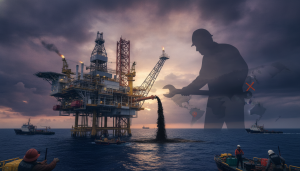
The global energy sector, inherently linked to dynamic natural forces, continually faces the profound challenges posed by extreme weather events. From powerful hurricanes disrupting offshore platforms and refining operations to devastating wildfires threatening pipeline infrastructure and floods impacting transportation logistics, these natural occurrences introduce significant volatility into commodity markets and jeopardize long-term investment stability. While the immediate focus often gravitates towards asset damage and supply chain interruptions, astute investors increasingly recognize the critical role of human capital resilience in mitigating these impacts. Ensuring the mental well-being and preparedness of the workforce, from field operators to executive leadership, is not merely a humanitarian concern but a strategic imperative for maintaining operational continuity and safeguarding shareholder value.
Experts in disaster recovery and public health, including Ruben Juarez, a distinguished health economist and professor at the University of Hawaii who spearheaded the comprehensive Maui Wildfires Exposure Study following the deadly 2023 infernos, underscore the undeniable link between proactive planning and psychological fortitude. Juarez emphasizes that preparation stands as an unparalleled instrument, not just for ensuring physical safety but also for fortifying mental resilience amidst crisis. For companies operating in the high-stakes oil and gas domain, this translates directly into robust business continuity plans that account for the human element, minimizing downtime and accelerating recovery post-event. When the immediate threat subsides, the path to normalization, supported by community networks and established routines, becomes crucial for sustained operational output.
The experience of individuals, even outside the direct energy sector, offers valuable parallels. Kevin Westmoreland, co-owner of The Corner Kitchen in Asheville, North Carolina, recounts the harrowing aftermath when remnants of Hurricane Helene, two years ago, deluged his historic restaurant. Water and mud surged through the establishment, leaving “everything tossed around inside the building as if it was in a blender,” he described. His personal coping mechanisms, including meditation and breathing techniques, exemplify the individual resilience necessary for navigating such catastrophic events. For energy companies, fostering similar resilience among employees, whether through training or support systems, can mean the difference between prolonged market disruption and swift, effective recovery.
Strategic Preparedness: Shielding Energy Investments from Climate Volatility
Minimizing investor anxiety and protecting capital in the face of unpredictable weather hinges on comprehensive strategic preparedness. For energy firms, this extends beyond fortifying physical infrastructure; it demands a meticulously detailed emergency response plan that prioritizes the safety and well-being of personnel. Crafting robust evacuation protocols and ensuring the availability of essential emergency supplies not only provides a tangible sense of security for employees but also enhances a company’s overall operational control during a crisis.
Melissa Brymer, a leading psychologist and director of terrorism and disaster programs at the UCLA-Duke National Center for Child Traumatic Stress, advocates for structured, step-by-step guides for families, referencing resources like Ready.gov/plan and the American Red Cross’s extensive hurricane preparedness materials. For the energy industry, these frameworks serve as models for developing comprehensive corporate policies that address the diverse needs of a modern workforce, including considerations for employees with disabilities, those with special medical needs, expectant parents, and even family pets. Integrating these human-centric elements into corporate disaster planning significantly strengthens a company’s ability to maintain a functional workforce and thus, operational stability.
Acknowledging the inherent unpredictability of weather patterns allows for a more adaptive and resilient organizational mindset. While certain elements remain beyond human control, a well-informed approach empowers companies and their stakeholders. Relying on verified meteorological data and official warnings from trusted sources enables precise risk assessment and timely decision-making, crucial for asset protection and market communication. Furthermore, fostering an environment where employees feel comfortable sharing concerns—whether with colleagues, management, or professional support services—as advised by the Anxiety and Depression Association of America (ADAA), cultivates a psychologically safer workplace, thereby bolstering collective resilience during critical events.
Cultivating Workforce Stability: Communicating Through Uncertainty
Effective communication is a cornerstone of corporate resilience, particularly when addressing the anxieties surrounding severe weather and potential disruptions. For energy sector leaders, this means conveying information to the workforce with clarity and assurance, acknowledging the gravity of the situation without inciting panic. Children, for instance, often mirror the reactions of adults, a principle Brymer highlights when discussing family preparedness. She advises limiting sensitive discussions to adults, preventing unnecessary distress among younger family members. This concept scales to the corporate environment: leadership must filter information, ensuring employees receive actionable, factual updates that empower rather than alarm them, thereby maintaining focus on critical tasks.
“Kids kind of register our panic, and then they’re going to panic if we’re starting to panic,” Brymer notes, underscoring the ripple effect of anxiety. In a corporate context, a calm, measured approach from senior management can significantly influence employee morale and decision-making during crises, directly impacting a company’s ability to recover and protect its assets and market position. Clear, consistent messaging minimizes speculation and allows teams to concentrate on implementing pre-defined emergency protocols.
Safeguarding Human Capital: An Investment in Long-Term Value
The long-term financial health of energy enterprises is inextricably linked to the well-being of their human capital. The findings from the Maui wildfires study, as reported by Juarez, reveal that the mental health repercussions of such disasters are far-reaching, impacting communities well beyond the immediate disaster zone. This underscores a critical lesson for investors: a localized environmental disaster can generate widespread psychological distress that directly impacts labor availability, productivity, and overall regional economic recovery, indirectly affecting energy supply chains and demand. Being acutely aware of these broader societal impacts is essential for comprehensive risk analysis in the energy sector.
Kevin Westmoreland’s perspective on Hurricane Helene’s aftermath further illustrates this point. Despite his restaurant, founded in 1895 by American industrialist George Vanderbilt in Asheville’s Biltmore Village, enduring extensive damage, his priority remained the safety of his team. “We try to look at it like it’s just a business and equipment — as long as our employees are safe, those are the important things,” he reflected. This human-first philosophy, which allowed the restaurant to successfully reopen after significant renovations, exemplifies a sustainable business model where employee welfare is paramount. For major oil and gas players, prioritizing employee safety and mental health through robust support systems enhances retention, reduces operational risk, and strengthens brand reputation—all vital components for attracting and retaining investor confidence.
The Anxiety and Depression Association of America offers several valuable strategies that can be adapted for corporate frameworks to foster psychological resilience:
- Engage in Prosocial Activities: Encouraging employees to participate in positive community-building efforts, such as volunteering for local relief efforts or organizing support initiatives, can instill a sense of purpose and counteract feelings of helplessness. This fosters team cohesion and community goodwill, enhancing a company’s social license to operate.
- Build Peer Support Networks: Facilitating platforms for employees to connect and share experiences with others facing similar challenges can create vital support systems, fostering a sense of shared resilience and collective problem-solving.
- Recognize and Address Persistent Distress: Management should be equipped to identify signs of prolonged psychological distress, such as symptoms consistent with post-traumatic stress disorder (PTSD), and direct employees to professional mental health resources. Timely intervention safeguards individual well-being and ensures a more stable and productive workforce in the long run.
Ultimately, investing in robust disaster preparedness, both in terms of physical assets and the mental fortitude of its workforce, positions energy companies for greater resilience against increasing climate volatility. This holistic approach not only protects immediate operational integrity but also secures long-term market competitiveness and investor confidence in a rapidly changing global landscape.