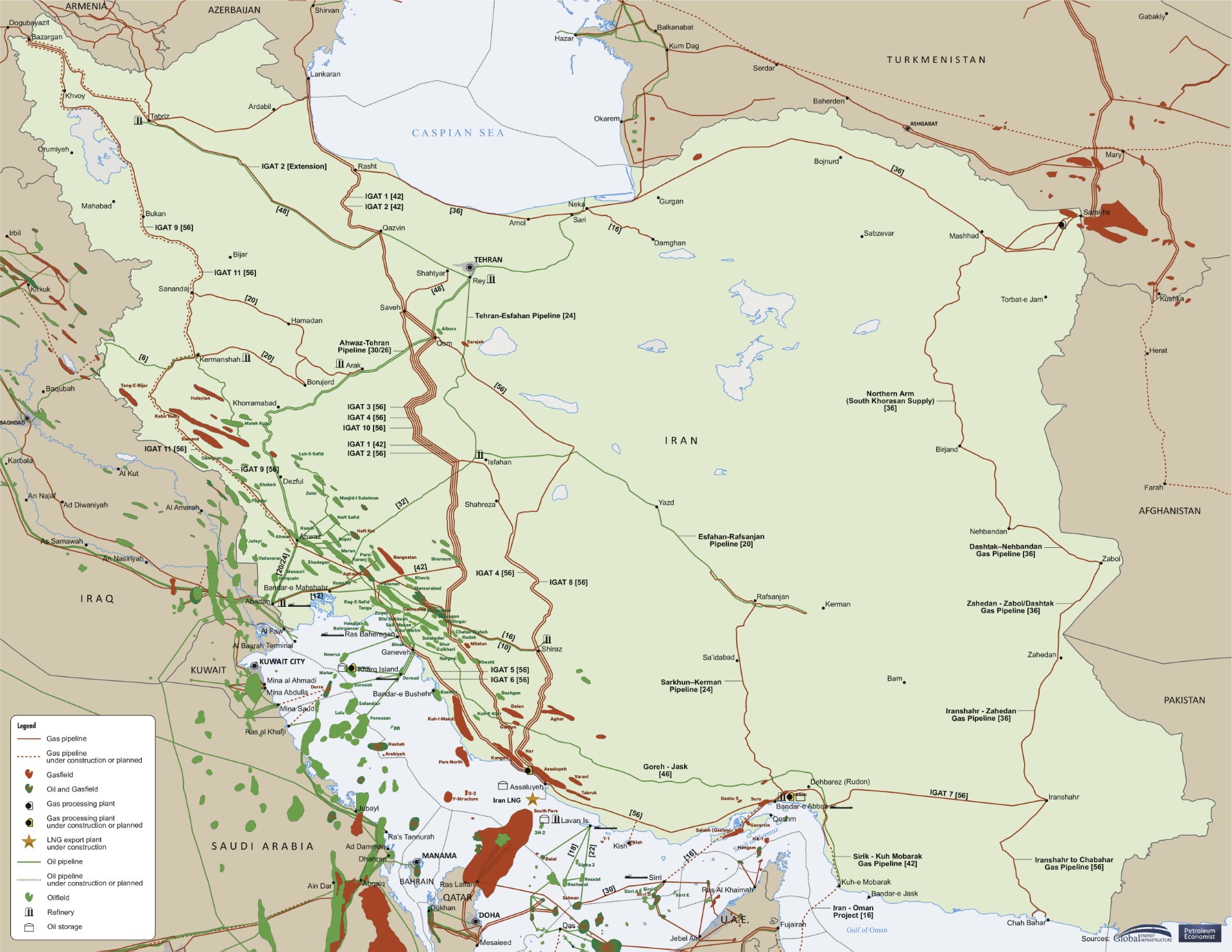
The global energy market is once again confronting the specter of significant disruption emanating from the Strait of Hormuz. Escalating geopolitical tensions involving Iran are casting a long shadow over this critical maritime chokepoint, raising the risk of a system-wide energy shock with profound implications for crude, natural gas, and refined product prices. Investors accustomed to volatile energy markets must now factor in a heightened probability of supply interruptions that could fundamentally reprice commodities and challenge global economic stability. Our analysis leverages OilMarketCap’s proprietary data to provide a forward-looking perspective, examining not just the immediate risks, but also how current market dynamics and upcoming events will shape the investment landscape.
The Hormuz Chokepoint: A Critical Supply Vulnerability
The Strait of Hormuz remains an unparalleled strategic bottleneck for global energy flows. Each day, approximately 14 million barrels of crude oil transit this narrow passage, representing nearly one-third of the world’s seaborne supply. Furthermore, about one-fifth of global liquefied natural gas (LNG) trade also relies on safe passage through Hormuz. Any threat to vessel safety here, as highlighted by Gregory Daco, Chief Economist at EY-Parthenon, immediately escalates the risk of a widespread energy shock. Iran’s strategic geographic position at the entrance to the strait, coupled with its own crude production of just over 3 million barrels per day, amplifies the potential for retaliatory actions targeting commercial shipping or vital energy infrastructure.
LNG markets are particularly exposed to this risk. Unlike crude oil, LNG lacks the extensive strategic reserves or significant spare liquefaction capacity that could cushion the impact of a supply disruption. The majority of LNG transiting Hormuz originates from Qatar, meaning any direct strike on its liquefaction facilities would instantly remove substantial supply from an already finely balanced global market. Analysts have outlined two primary scenarios: a moderate, short-lived escalation involving partial Iranian export losses and temporary shipping delays could push Brent crude prices up by roughly $20 per barrel, potentially into the high $80s, before easing later in the year. However, a more severe scenario, characterized by sustained interruption of Hormuz transit, would constitute a major supply shock, driving oil prices up by more than $40 per barrel towards $110 and potentially keeping them above $100 through year-end. European natural gas prices, under such a severe outcome, could surge by an alarming 150%.
Current Market Dynamics Amidst Rising Tensions
Despite the pronounced geopolitical risks, the immediate market reaction has been somewhat muted, suggesting either investor complacency or a belief that a severe scenario remains unlikely. As of today, Brent Crude trades at $90.38, while WTI Crude stands at $82.59. Gasoline prices are at $2.93. Looking at the broader trend, our proprietary data indicates Brent has actually seen a significant pullback, dropping from $112.78 on March 30th to its current $90.38, a decline of nearly 20% over the past three weeks. This downward trend, even as Hormuz risks escalate, presents a complex picture for investors.
The market’s current pricing appears to discount a high probability of severe, sustained disruption, perhaps banking on historical precedents where geopolitical spikes proved temporary. However, the unique and critical nature of Hormuz, combined with a tightening global energy balance, suggests this time could be different. The announced increase in output by OPEC+ of approximately 206,000 barrels per day, while a positive signal for supply, is modest when weighed against the potential scale of a multi-million-barrel disruption through Hormuz. Moreover, the risk of a direct strike on major processing infrastructure, such as Saudi Arabia’s Abqaiq facility, remains a potent threat that would significantly amplify market stress beyond mere transit interruptions.
Navigating Uncertainty: Upcoming Catalysts and Investor Concerns
Investors are clearly grappling with the direction of the market, evidenced by frequent questions to our AI assistant like “is WTI going up or down?” and “what do you predict the price of oil per barrel will be by end of 2026?” The answer hinges heavily on how the Hormuz situation evolves. Under a moderate scenario, the recent Brent trend could continue to see prices retreat towards pre-conflict levels. However, a severe and prolonged disruption would undoubtedly send WTI and Brent substantially higher, potentially sustaining prices above $100 through the end of 2026, aligning with the more aggressive analyst forecasts.
The coming weeks are packed with events that will offer further clarity and potential volatility. The OPEC+ Joint Ministerial Monitoring Committee (JMMC) meeting on April 20th, followed by the full OPEC+ Ministerial Meeting on April 25th, will be crucial. Investors will be watching for any signals on supply strategy, particularly if the group feels compelled to adjust output plans in response to the escalating regional tensions. Concurrently, the API Weekly Crude Inventory reports on April 21st and 28th, along with the EIA Weekly Petroleum Status Reports on April 22nd and 29th, will provide vital insights into current demand and inventory levels. These reports will indicate how much buffer the market truly possesses against an external shock. Furthermore, the Baker Hughes Rig Count on April 24th and May 1st will shed light on the responsiveness of non-OPEC supply, a key factor in mitigating longer-term deficits. These upcoming data points and policy decisions, when viewed through the lens of heightened Hormuz risk, will be instrumental in shaping investor sentiment and price trajectories.
Investment Implications and Risk Management
The current geopolitical landscape demands a proactive and informed approach from energy investors. The potential for Brent crude to surge towards $110 per barrel and remain above $100 for an extended period under a severe Hormuz scenario cannot be ignored. Such an outcome would rapidly tighten global energy balances, placing significant upward pressure on inflation and increasing the downside risks to global economic growth, potentially tipping the world economy towards recession.
For portfolios exposed to energy, this environment necessitates a careful review of risk parameters. While history suggests geopolitical price spikes can be temporary, the specific vulnerabilities of the Hormuz Strait and the LNG market indicate that a prolonged disruption could lead to a sustained repricing. Investors should consider strategies that account for increased volatility, potential supply shocks, and the broader macroeconomic fallout. This includes evaluating the resilience of diversified energy holdings, exploring hedging instruments, and maintaining a close watch on both geopolitical developments and the fundamental market data provided by OilMarketCap’s proprietary pipelines. The current relative stability in prices should not breed complacency; rather, it offers an opportune moment to prepare for significant market shifts.


