

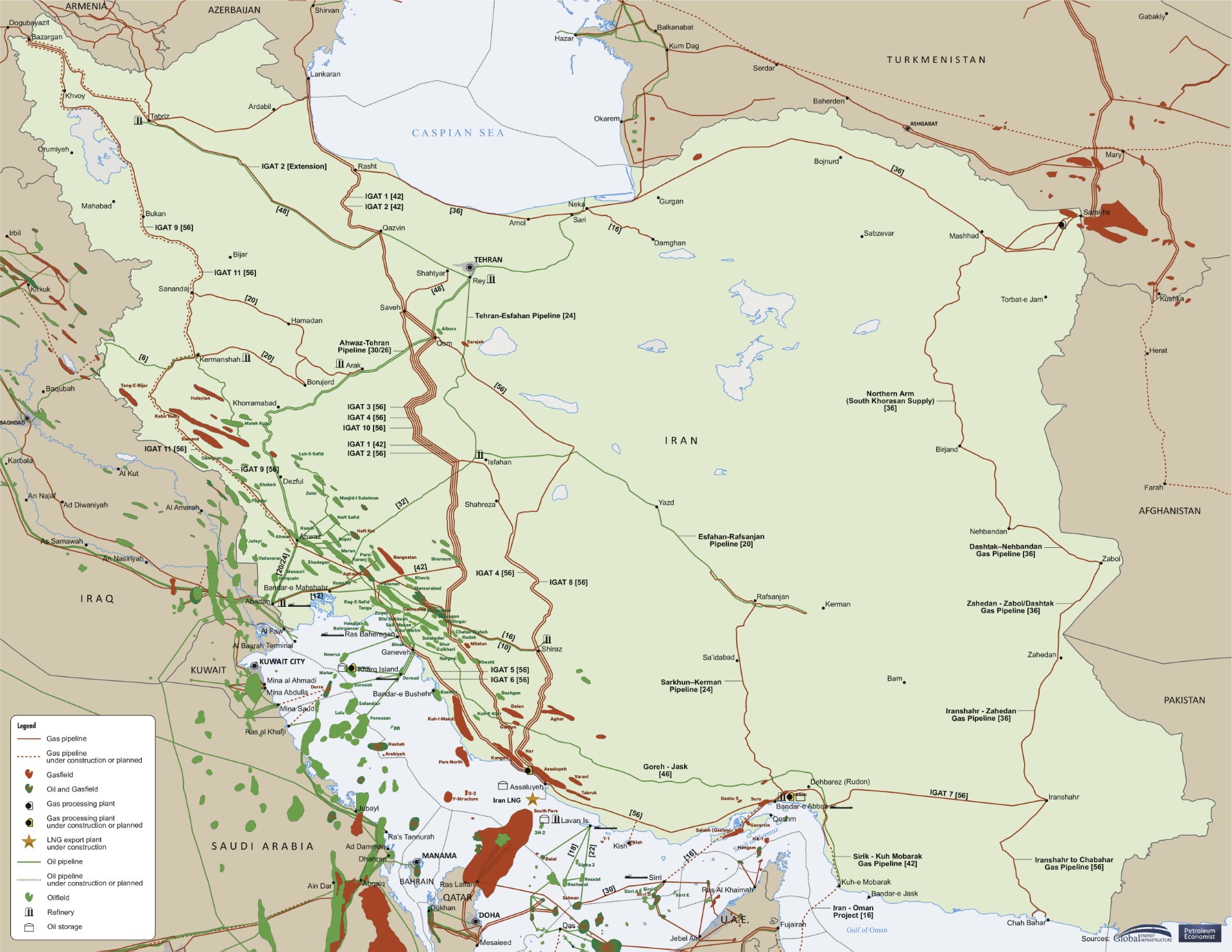
(WO) – Escalating conflict involving Iran is unfolding alongside the Strait of Hormuz, raising the risk of a system-wide energy shock, according to Gregory Daco, Chief Economist at EY-Parthenon.
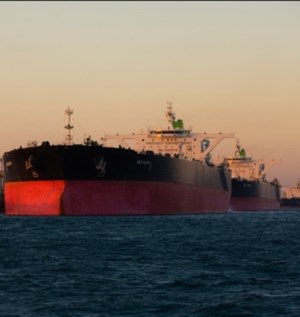
Image: NOIC
Roughly 14 MMbpd of crude — nearly one-third of global seaborne supply — and about one-fifth of global LNG trade transit the strait each day. “Any threat to vessel safety in the Strait of Hormuz immediately raises the risk of a system-wide energy shock,” Daco said, noting that abrupt shipping delays or rerouting could trigger sharp price spikes and dampen global growth.
Iran produces just over 3 MMbpd of crude, and its position at the entrance to Hormuz heightens the risk of retaliation targeting commercial shipping or energy infrastructure. LNG markets are particularly exposed, Daco said, because they lack strategic reserves and spare liquefaction capacity. The majority of LNG moving through Hormuz originates from Qatar, meaning any strike on liquefaction facilities would remove supply directly from the global market.
Daco outlined two potential paths. In a moderate, short-lived escalation, partial Iranian export losses and temporary shipping disruption could lift Brent crude by roughly $20/b into the $80 range before prices retreat toward pre-conflict levels later in the year. European gas prices could rise about 50% before easing.
In a more severe scenario, sustained interruption of Hormuz transit would amount to a major supply shock. Oil prices could climb more than $40/b toward $110 and remain above $100 through year-end, while European natural gas prices could surge by 150%. Such an outcome would tighten energy balances rapidly and risk tipping the global economy toward recession.
While OPEC+ has signaled plans to increase output by about 206,000 bpd, Daco said the increment would be modest relative to the scale of potential disruption. A direct strike on major processing infrastructure — such as Saudi Arabia’s Abqaiq facility — would significantly amplify market stress.
Although geopolitical price spikes have historically proven temporary, Daco warned that prolonged disruption to Hormuz would materially tighten global energy markets and increase downside risks to growth.
Map created in collaboration with Petroleum Economist and Global Energy Infrastructure. For an overview of this project and other related infrastructure developments, visit . Copyright World Oil 2026. All rights reserved.
