Geopolitical Tensions Cast a Long Shadow Over Global Oil Supply
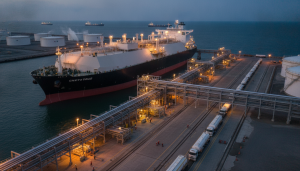
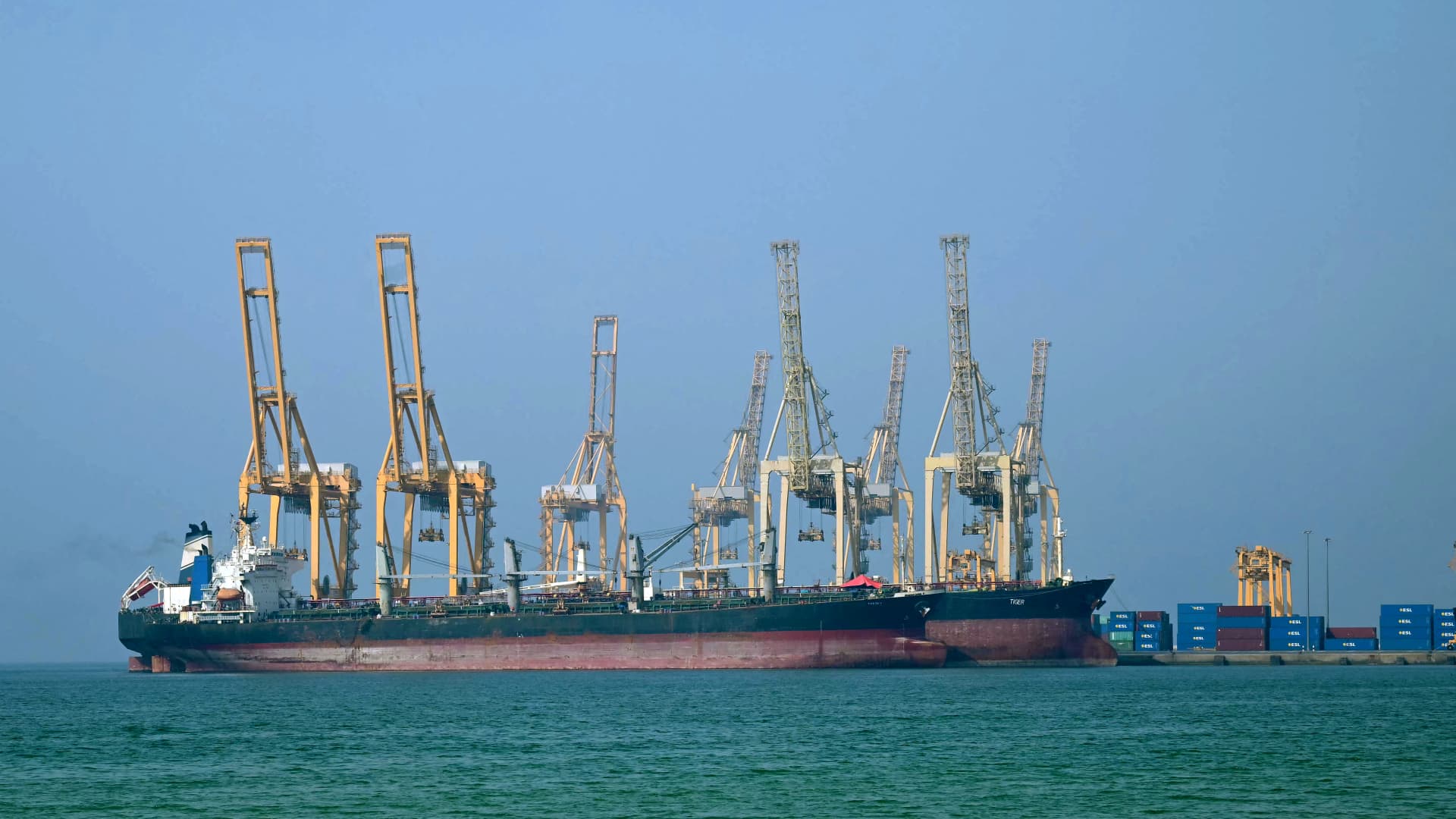
The global oil market is once again grappling with heightened geopolitical risk, as recent military actions in the Middle East have reignited fears of a potential supply shock originating from the Strait of Hormuz. This critical waterway, a lifeline for over one-fifth of the world’s daily oil output and approximately 31% of all seaborne crude flows, stands as a pivotal chokepoint. For investors, the immediate question revolves around the market’s “knee-jerk” reaction, but the more profound concern is whether these escalating tensions could lead to a sustained disruption of vital Gulf exports. As a senior analyst, we at OilMarketCap.com are monitoring the situation closely, leveraging our proprietary data to provide actionable insights into these unprecedented times.
Hormuz: Market Reaction Amidst Underlying Trends
The strategic importance of the Strait of Hormuz cannot be overstated. Positioned between Oman and Iran, it is the conduit through which major Gulf producers, including Saudi Arabia, Iraq, the UAE, and Iran itself, connect to the global energy grid. With an estimated 13 million barrels per day transiting this narrow passage, any impediment would have immediate and outsized consequences for both crude and LNG flows worldwide. As of today, Brent Crude is trading at $93.92, marking a modest increase of 0.73% within a daily range of $93.52-$94.21. Similarly, WTI Crude stands at $90.48, up 0.9% for the day. While these modest upticks reflect an initial market sensitivity to the developing situation, they tell only part of the story.
Our proprietary 14-day Brent trend data reveals a more complex picture. Prior to these latest escalations, Brent crude had experienced a significant decline, dropping from $118.35 on March 31, 2026, to $94.86 on April 20, 2026 – a substantial decrease of nearly 20%. This sharp correction suggests that broader market concerns, perhaps related to demand outlooks or an oversupply narrative, had been dominant. The current price reaction, therefore, is not occurring in a vacuum but against a backdrop of a recently softened market. This context is crucial for investors, indicating that while geopolitical risk has certainly re-entered the spotlight, the market’s underlying fundamentals were, until very recently, pointing towards lower prices. The question now is whether the geopolitical premium will be enough to reverse the prior bearish momentum or simply add volatility to an already uncertain environment.
Escalation Scenarios and Supply Shock Projections
The current situation presents a deeply unsettling prospect: a potential full-scale military conflict. Energy research firms have articulated the immense difficulty in assessing the trajectory of such an unprecedented scenario. Early indications suggest the potential for a broader attack on Iran, inviting counterattacks that could draw in multiple Gulf nations. Iran’s Revolutionary Guards have reportedly issued radio warnings to commercial vessels regarding passage through the Strait, echoing historical threats to block the waterway in response to perceived aggressions. While no formal directive has been confirmed, the mere suggestion of such action sends shivers through the market.
Should tensions escalate into a sustained interruption, the global oil market would face its “worst-case scenarios.” A major disruption of oil flows through the Middle East would not only impact crude prices but also significantly affect global LNG supplies, given the Strait’s dual role. Rapidan Energy Group, for instance, had reportedly advised clients for weeks that such a conflict held a 75% probability, underscoring the long-simmering nature of this risk. For investors, understanding the pathways of escalation – from targeted strikes to retaliatory actions and potential blockades – is paramount to gauging the true extent of the supply shock. The sheer volume of oil at risk means even a temporary closure or significant threat could send prices soaring far beyond current levels.
Navigating Uncertainty: Investor Sentiment and Future Outlook
In times of such profound uncertainty, the questions from our investor community become particularly pointed. Our proprietary reader intent data shows a clear focus on the immediate and long-term trajectory of crude prices. Investors are keenly asking: “What do you predict the price of oil per barrel will be by end of 2026?” and “Is WTI going up or down?” These questions underscore the urgent need for clarity and strategic guidance amidst the fog of geopolitical conflict. Beyond macro price movements, interest also extends to the resilience of specific energy equities, with investors inquiring about the performance of companies in the sector.
For investors, this environment demands a robust and agile strategy. While a sustained Hormuz closure would undoubtedly drive prices dramatically higher, the probability and duration remain highly speculative. Diversification, careful risk management, and a focus on companies with strong balance sheets and diversified asset bases become critical. Monitoring geopolitical developments alongside fundamental market indicators will be key. While the immediate outlook is dominated by conflict, investors must also consider how these events might shape long-term supply dynamics and energy transition pathways, potentially accelerating shifts away from heavily exposed regions.
Beyond Geopolitics: Upcoming Market Catalysts
While the geopolitical situation in the Middle East demands immediate attention, the oil market will also be influenced by a series of scheduled events in the coming weeks. These fundamental catalysts could either compound the current uncertainty or provide alternative directional cues. On April 21, 2026, the OPEC+ Joint Ministerial Monitoring Committee (JMMC) meeting will take place. This gathering is particularly significant; any adjustments to production quotas or statements regarding market stability will be scrutinized for their potential to offset or exacerbate any supply disruptions from the Strait of Hormuz. Will the alliance feel pressure to adjust output in anticipation of, or response to, a regional supply shock? Their decision-making will be crucial.
Furthermore, the EIA Weekly Petroleum Status Reports on April 22 and April 29, 2026, will offer critical insights into U.S. crude inventories, refining activity, and demand indicators. These reports will provide a snapshot of the demand-supply balance in the world’s largest consumer and producer. The Baker Hughes Rig Count, scheduled for April 24 and May 1, will shed light on U.S. drilling activity and future production trends. Finally, the EIA Short-Term Energy Outlook on May 2, 2026, will offer broader market projections, which could provide a more stable, albeit potentially revised, fundamental backdrop against the volatile geopolitical landscape. Investors must weigh how these scheduled supply, demand, and inventory reports will interact with the ongoing geopolitical narrative, understanding that while immediate events dominate headlines, the underlying fundamentals continue to shape the market’s trajectory over the medium term.