The Shifting Energy Landscape: Why Consumer Electrification Demands Investor Attention
The global energy landscape is undergoing a profound transformation, driven by both market dynamics and a persistent push for sustainable solutions. While oil and gas remain central to the world’s energy mix, smart investors are keenly observing trends that signal long-term shifts in demand and consumption patterns. One such trend, gaining significant traction across Europe, is the aggressive adoption of residential solar energy coupled with home electrification. This isn’t merely an environmental movement; it represents a robust financial play for consumers that, in aggregate, presents a tangible demand headwind for traditional fossil fuels and opens new avenues for strategic investment.
Consider the current volatility in crude markets. As of today, Brent Crude trades at $90.38, marking a significant -9.07% decline within a day range of $86.08 to $98.97. Similarly, WTI Crude stands at $82.59, down -9.41%, fluctuating between $78.97 and $90.34. This sharp downturn is not an isolated event; our proprietary data shows Brent has plunged from $112.78 on March 30th to today’s $90.38, a staggering $22.4 or nearly 20% drop in less than three weeks. Such dramatic price swings underscore the inherent unpredictability of fossil fuel markets, creating a compelling backdrop for energy alternatives that offer stability and predictable long-term savings. For homeowners, solar power serves as a direct hedge against this volatility, essentially allowing them to lock in their energy costs for decades, a proposition that is increasingly difficult to ignore.
Europe’s Electrification Blueprint: A Model for Savings and Investment Opportunity
Europe has emerged as a clear leader in demonstrating the financial viability of residential solar, even without subsidies. The core insight is straightforward: solar energy, according to international energy bodies, is now the most economical form of electricity generation available. This isn’t just about environmental stewardship; it’s a proven, long-term investment. Solar panels typically come with warranties extending 25 years or more, assuring a reliable return on an upfront capital outlay through decades of energy savings. With grid electricity costs escalating at rates often double general inflation, the economic argument for solar becomes irrefutable for homeowners.
The key to maximizing these savings, as demonstrated by leading European countries like Germany and Austria, lies in full home electrification. This involves pairing solar installations with high-efficiency heat pumps for heating and cooling, transitioning to electric water heaters, and critically, charging electric vehicles (EVs) at home using self-generated solar power. Each of these components offers economic benefits individually, but their synergy with low-cost solar amplifies the savings exponentially. This comprehensive approach transforms a home into a self-sufficient energy hub, significantly reducing reliance on external grids and, by extension, traditional fossil fuels for heating and transportation. For astute investors, this trend highlights the growth potential in companies manufacturing and installing these integrated solutions, from solar panel producers to heat pump suppliers and EV charging infrastructure developers.
Investor Queries and Forward-Looking Market Dynamics
The persistent question on many investors’ minds, echoed by our readership, is: “What do you predict the price of oil per barrel will be by end of 2026?” While precise predictions are elusive, the widespread adoption of home solar and electrification presents a structural headwind to long-term oil and gas demand. As more homes transition to electric heat pumps, demand for natural gas in residential heating declines. Similarly, as EV adoption accelerates, fueled by home solar charging, gasoline consumption will gradually erode. These micro-level shifts, when aggregated, contribute to a macro-level pressure on fossil fuel demand, impacting future price trajectories.
This long-term demand erosion contrasts sharply with the immediate supply-side management efforts by major producers. Our upcoming energy events calendar is packed with critical markers, starting with the OPEC+ JMMC Meeting on April 19th and the full OPEC+ Ministerial Meeting on April 20th. These gatherings are pivotal, as member nations convene to discuss and potentially adjust production quotas. For instance, a common query among our readership is, “What are OPEC+ current production quotas?” The decisions made at these meetings directly influence global crude supply and, consequently, short-to-medium-term oil prices. However, even aggressive supply cuts by OPEC+ face the reality of an evolving demand landscape shaped by consumer-driven energy independence. Investors need to weigh these immediate supply-side actions against the growing trend of demand destruction driven by electrification and renewable adoption.
Navigating the Energy Transition: Investment Strategies for O&G Professionals
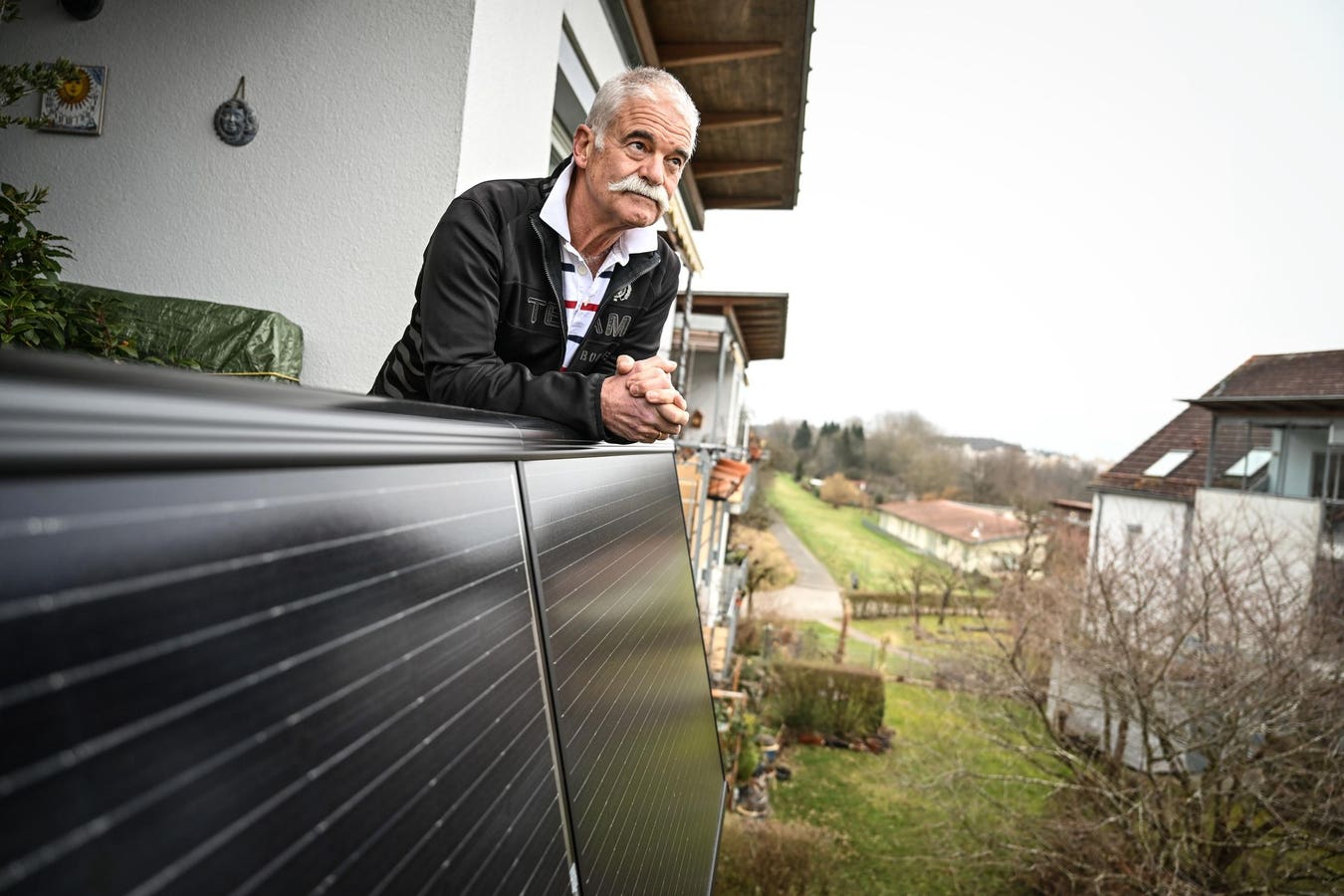
For investors accustomed to the traditional oil and gas sector, the proliferation of residential solar and electrification strategies signals a need for diversified thinking. While integrated energy majors like Repsol (a company our readers are keenly tracking, asking “How well do you think Repsol will end in April 2026?”) are increasingly investing in renewable assets, pure-play opportunities within the renewable value chain are also burgeoning. The innovation seen in solutions like “solar fences” in countries like Austria and Germany, which maximize solar capture even in limited roof space scenarios, underscores the ongoing technological advancements that are expanding the addressable market for distributed energy. This isn’t just about panels on roofs; it’s about making solar ubiquitous and integrated into everyday infrastructure, further cementing its long-term viability and growth trajectory.
Investment strategies should therefore consider exposure to companies at the forefront of this transition. This includes manufacturers of solar panels and inverters, providers of battery storage solutions for home energy systems, developers and installers of heat pump technology, and companies driving EV infrastructure. Furthermore, monitoring the weekly API and EIA crude inventory reports (scheduled for April 21st and 22nd, and again on April 28th and 29th) and the Baker Hughes Rig Count (April 24th and May 1st) remains crucial for understanding the traditional market’s health. Yet, the smart money will increasingly be looking beyond these immediate indicators to the fundamental shifts in energy consumption. The European model of sustainable, electrified homes offers a clear glimpse into a future where energy independence is not just an ideal, but a tangible, profitable reality for consumers, and a significant investment theme for those positioned to capitalize on the transition.