As Europe grapples with an intense and widespread heatwave this July 2nd, 2025, the energy sector is bracing for significant market repercussions. Record-breaking temperatures, stretching from the Iberian Peninsula across Central and Eastern Europe to the Balkans, are not merely a comfort issue; they pose immediate and escalating challenges to the continent’s energy infrastructure and supply stability, particularly impacting natural gas and electricity markets. Investors should be keenly observing these developments as they unfold, for they signal potential volatility and strategic shifts within the commodity landscape.
Europe Under Siege: Heatwave Ignites Energy Demand
A vast swathe of the European continent, encompassing Spain, Italy, Austria, Hungary, Slovakia, Poland, and Croatia, is experiencing sustained temperatures in the mid-30s Celsius. This prolonged period of extreme heat inevitably translates into a surge in electricity demand, primarily driven by the ubiquitous need for air conditioning. For a continent still navigating the complexities of energy security and transition, this demand spike places immense pressure on power grids and generation capacity.
The immediate consequence is a heightened reliance on thermal power generation, predominantly natural gas, to meet the sudden increase in electricity needs. With several nuclear plants offline for maintenance or decommissioning, and hydro reserves potentially strained by preceding dry spells, gas-fired power plants become the critical swing producers. This scenario invariably tightens gas markets, leading to upward pressure on spot prices and potentially accelerating the drawdown of stored reserves, a key metric for European energy stability ahead of the winter months.
Wildfires Add Critical Layer of Supply Risk
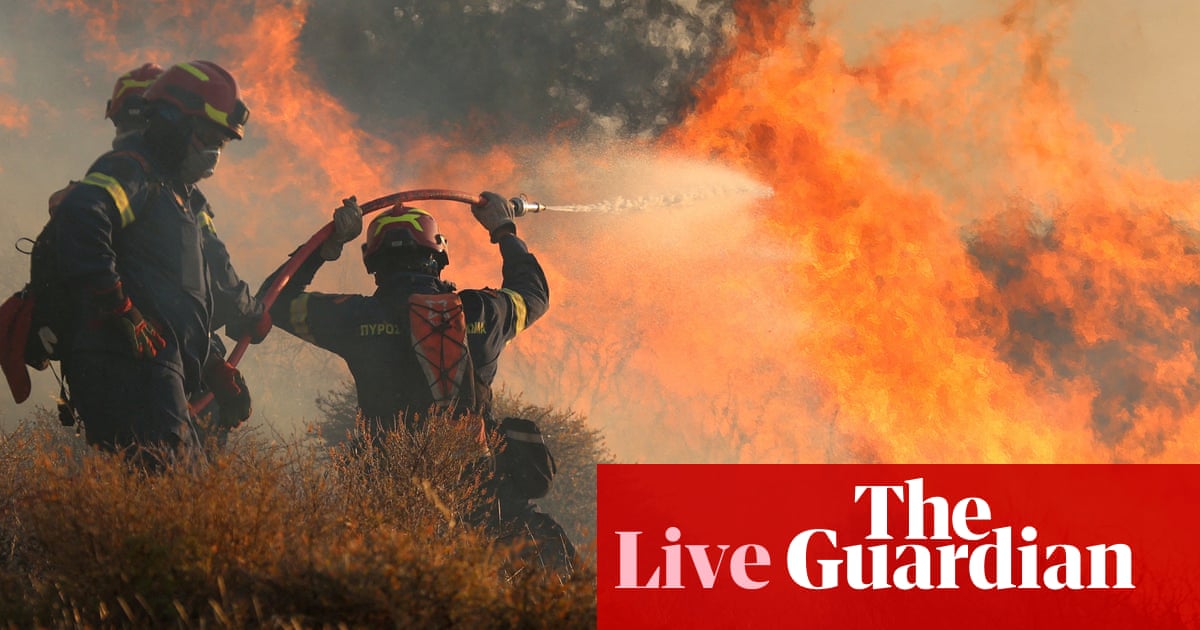
Compounding the demand-side pressures are the destructive wildfires currently raging across multiple European regions. In Greece, emergency services are battling a rapidly spreading inferno on the southern coast of Crete, forcing the evacuation of over 1,500 individuals from hotels and homes overnight. More than 230 firefighters are deployed in a “very difficult” operational environment, highlighting the severity of the situation. A separate, equally challenging blaze has erupted in the Halkidiki region, involving 160 firefighters and 49 vehicles, as Greek authorities warn this is “the most difficult month of the fire season,” exacerbated by strong winds.
These wildfires are not isolated incidents. Germany, specifically Saxony, has reported a significant forest fire leading to the evacuation of over 100 people and causing serious injuries to at least two individuals. Spain is also contending with multiple outbreaks. For energy investors, these wildfires represent more than just environmental catastrophes; they introduce tangible risks to critical infrastructure. Power lines, natural gas pipelines, and even storage facilities can be directly threatened by advancing flames, leading to potential outages, supply disruptions, and increased maintenance costs. The threat of damage to transmission networks can isolate generation sources from demand centers, creating localized energy crises even if overall supply is sufficient.
Natural Gas Markets: The Epicenter of Impact
The confluence of soaring electricity demand for cooling and the infrastructure risks posed by wildfires positions natural gas markets at the epicenter of this unfolding energy crisis. Europe’s post-2022 energy strategy has leaned heavily on diversified LNG imports and robust storage levels to mitigate supply vulnerabilities. However, sustained periods of high demand, particularly during the summer, can erode the comfortable buffer provided by storage. A significant and prolonged draw on gas reserves now could leave Europe less prepared for the peak demand of the winter heating season, creating a ripple effect on future price expectations and hedging strategies.
Moreover, the operational challenges presented by wildfires – such as reduced visibility for helicopter operations, road closures impacting fuel deliveries, and the sheer diversion of emergency resources – can indirectly affect the stability of the energy supply chain. Any forced curtailment of gas deliveries due to infrastructure damage, however temporary, would send immediate shockwaves through the market, driving up benchmark prices like the Dutch TTF futures and impacting the profitability outlook for energy traders and utility companies alike.
Broader Market Repercussions and Investor Outlook
While natural gas and electricity are the most directly impacted commodities, the sustained heatwave and associated energy strains have broader implications for the investor community. Oil demand, while less directly tied to immediate power generation, could see secondary effects. Increased use of diesel generators as backup during potential grid instability, or disruptions to fuel supply logistics due to road closures from fires, could create localized demand spikes. Furthermore, the overall sentiment of energy scarcity tends to support all commodity prices, providing a tailwind for crude oil futures.
Utility companies across the affected regions face a mixed bag. Higher demand translates to increased revenue opportunities, but this must be balanced against potentially higher fuel costs, grid maintenance challenges, and the capital expenditure required to harden infrastructure against climate-related events. For companies involved in renewable energy, while the long-term narrative for climate adaptation remains strong, the immediate reality of wildfires threatening solar farms or heat impacting panel efficiency presents short-term operational hurdles. Investors will be scrutinizing quarterly reports for indications of how these dual pressures are affecting profitability and operational resilience.
Beyond the Immediate: Long-Term Climate Adaptation and Investment
This recurrent pattern of extreme weather events underscores the accelerating impact of climate change on global energy markets. For long-term investors, the current European heatwave serves as a potent reminder of the urgent need for climate adaptation strategies within the energy sector. Investments in grid modernization, energy storage solutions, resilient transmission infrastructure, and diversified generation portfolios will become increasingly critical. Companies that demonstrate robust strategies for mitigating climate risks and capitalizing on the energy transition will likely outperform in the coming years.
The events unfolding this July 2nd, 2025, across Europe are more than just weather headlines; they are direct indicators of evolving market dynamics. The immediate strain on electricity grids, the heightened demand for natural gas, and the tangible threats posed by wildfires to energy infrastructure are creating a complex and volatile environment. Astute investors will recognize these challenges not only as sources of risk but also as catalysts for innovation and strategic investment opportunities in a rapidly changing global energy landscape.


