EU Wildfires Fuel Green Transition Urgency
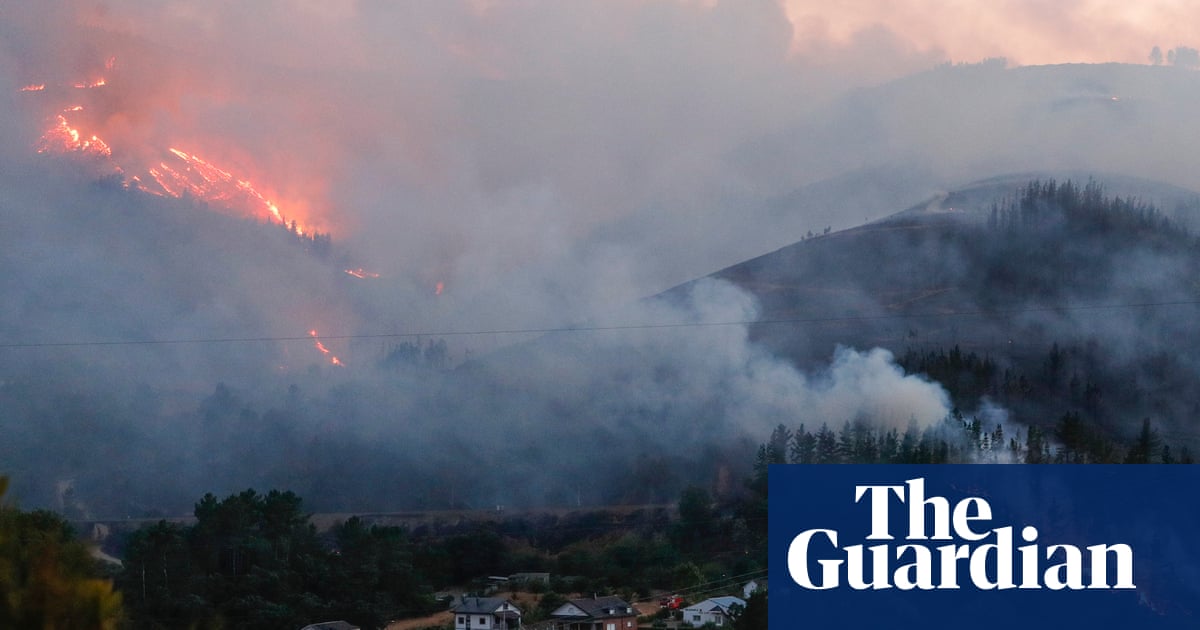
The recent “astonishing” wildfires that scorched vast tracts of the Iberian Peninsula serve as a stark reminder of escalating climate risks and their profound implications for the global energy landscape. While often viewed through an environmental lens, these extreme weather events are increasingly becoming critical catalysts for policy shifts and investor re-evaluation within the oil and gas sector. For savvy investors, understanding the interplay between immediate market dynamics and the accelerating push towards a green transition is paramount. The long-term trajectory of energy markets is being shaped not just by supply-demand fundamentals but by the undeniable urgency of climate action, underscored by the devastating scale and frequency of events like those witnessed across Spain and Portugal.
The Escalating Climate Imperative and Its Immediate Market Impact
Scientists estimate that the conditions fueling last month’s devastating blazes across Spain and Portugal were made 40 times more likely by climate breakdown, with the fires themselves burning with 30% greater intensity than expected in a pre-industrial world. Over 500,000 hectares (1.2 million acres) were consumed, a stark visualization of a new normal where such extreme conditions, once occurring every 500 years, are now expected every 15 years. The 10-day maximum temperatures, historically a 2,500-year event, are now projected to occur every 13 years. These figures are not merely environmental statistics; they represent an escalating risk profile that directly influences sovereign policy, corporate strategy, and ultimately, investor sentiment towards carbon-intensive industries.
As of today, Brent Crude trades at $98.2, down 1.2% in the session, with WTI Crude at $89.81, showing a 1.49% decline. Gasoline prices sit at $3.08, down 0.32%. This immediate market snapshot reflects a complex interplay of current supply-demand factors, geopolitical tensions, and broader economic sentiment. However, it’s crucial to contextualize this daily volatility within a larger trend. Over the past 14 days, Brent crude has seen a notable decline, dropping from $108.01 on March 26th to $94.58 on April 15th, representing a $13.43 or 12.4% decrease. While short-term movements are influenced by inventory reports and production decisions, the persistent drumbeat of climate-related events like the EU wildfires will increasingly exert pressure on the long-term valuation of fossil fuel assets, driving capital towards more sustainable energy solutions, even as the market grapples with immediate pricing pressures.
Policy Responses and the Shifting Investment Landscape
The severity of these climate events is galvanizing political leaders to accelerate climate action. In response to the wildfires, Spanish Prime Minister Pedro Sánchez unveiled a comprehensive 10-point climate plan, directly linking the measures to the increasingly extreme weather. This is more than a localized policy; it signifies a broader European trend. Such initiatives aim to mitigate future risks by reducing emissions, enhancing land management, and bolstering renewable energy infrastructure. For oil and gas investors, this translates into a heightened regulatory environment, potential carbon pricing mechanisms, and accelerated incentives for green technologies. The political will to push for decarbonization, even amidst challenges from opposing narratives, signals a structural shift in the energy investment landscape. Companies that proactively adapt by diversifying into renewables, investing in carbon capture technologies, or pivoting to lower-carbon fuels will be better positioned to navigate this evolving regulatory and market environment, securing long-term value in a world increasingly demanding climate resilience.
Navigating Near-Term Volatility Amidst Long-Term Transition
While the long-term trajectory points towards a green transition, investors must skillfully navigate the near-term volatility inherent in energy markets. The coming weeks present several key events that could significantly impact crude prices. We are closely monitoring the upcoming OPEC+ meetings, with the Joint Ministerial Monitoring Committee (JMMC) scheduled for April 18th and the full Ministerial Meeting on April 20th. These gatherings are critical for understanding potential production quotas and their implications for global supply. Any adjustments to output levels could introduce immediate price shifts, presenting both risks and opportunities for short-term trading strategies. Furthermore, the regular industry reports, such as the Baker Hughes Rig Count on April 17th and 24th, along with the API Weekly Crude Inventory (April 21st, 28th) and EIA Weekly Petroleum Status Report (April 22nd, 29th), will offer crucial insights into current supply and demand dynamics. Balancing the immediate impacts of these events with the overarching, climate-driven shift towards sustainable energy requires a nuanced investment approach, emphasizing both tactical agility and strategic foresight.
Investor Focus: Supply Management and Data Clarity in a New Era
Our proprietary reader intent data reveals a clear focus among investors on critical market fundamentals and the reliability of information. Questions like “What are OPEC+ current production quotas?” and “What is the current Brent crude price and what model powers this response?” underscore a demand for transparent, real-time data and actionable insights in a rapidly changing market. Investors are seeking clarity on how major producers are managing supply in the face of both immediate demand fluctuations and the long-term pressure of decarbonization. The EU wildfires, while not directly impacting OPEC+ production decisions, indirectly contribute to the global conversation around energy policy, potentially influencing long-term investment in new fossil fuel projects and accelerating the shift of capital towards renewables. In this complex environment, access to robust, first-party data pipelines and sophisticated analytical tools becomes an indispensable asset for making informed decisions, allowing investors to cut through the noise and identify genuine alpha opportunities in a market undergoing fundamental transformation.


