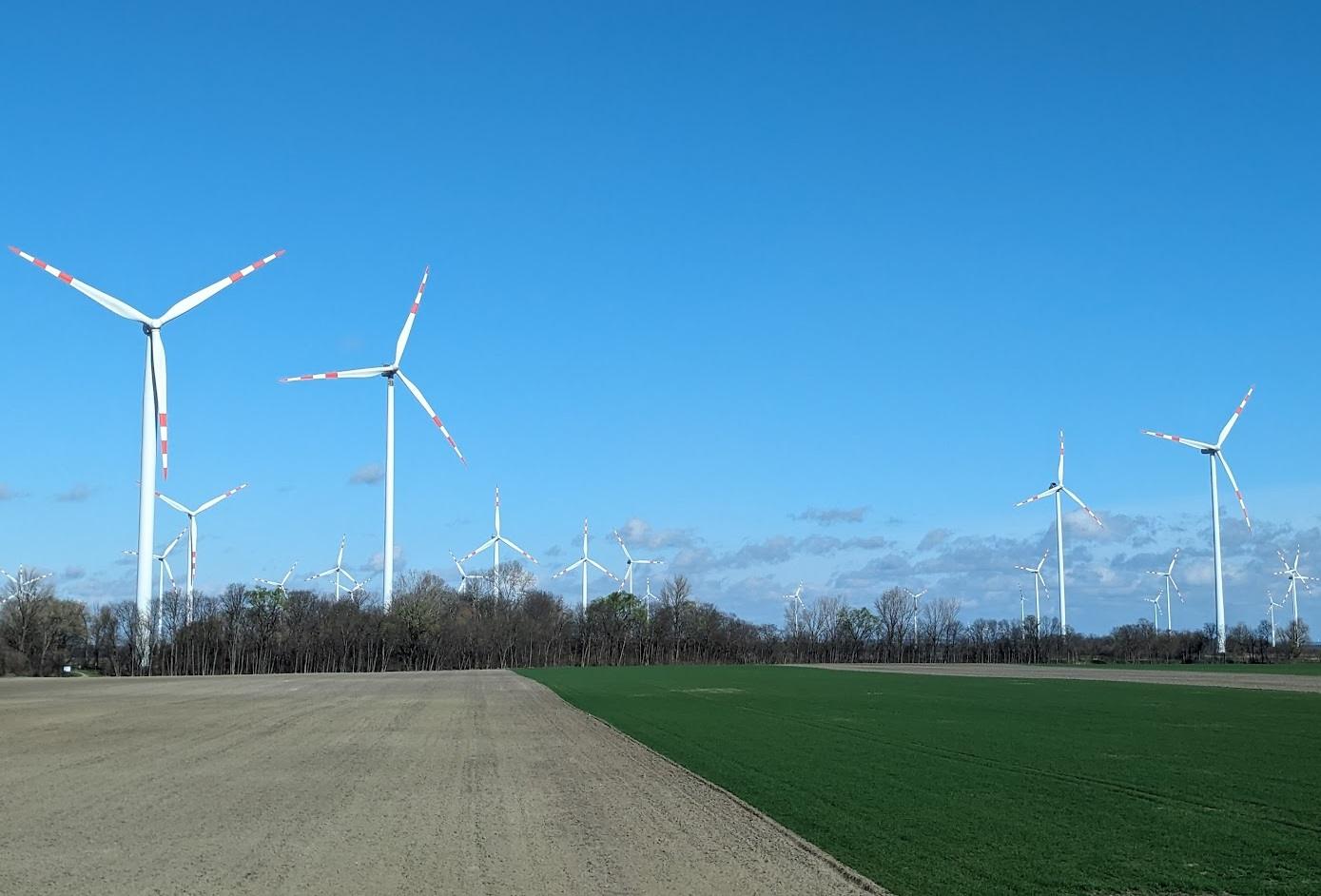
The European Union has delivered a powerful signal to global energy markets this week, formally approving an ambitious target to reduce emissions by 90% by 2040. This landmark decision marks a significant escalation in the continent’s commitment to decarbonization, sending ripples through the oil and gas sector and intensifying the pressure on traditional energy producers and investors alike. For market participants, understanding the long-term implications of such aggressive policy shifts, while navigating immediate market volatility, is paramount to safeguarding and growing capital in an increasingly complex energy landscape.
The EU’s Decarbonization Mandate and Its Market Echoes
The EU’s 90% emissions reduction target by 2040 is not merely a political statement; it’s a binding commitment that will drive unprecedented changes across industrial sectors, including oil and gas. This legislative action reinforces the continent’s leadership in the global energy transition, setting a high bar that could influence policy decisions in other major economies. The financial sector is already responding, as evidenced by players like BNP Paribas, which significantly exceeded its €200 billion low-carbon and transition finance goal, and Deutsche Bank, which issued its first EuGB Green Bond under the “gold standard.” These moves highlight a growing appetite among financial institutions to align capital with sustainability objectives, a trend that will only accelerate under the weight of stricter regulations.
This long-term policy pressure comes amidst a volatile short-term market. As of today, Brent Crude trades at $93.09, reflecting a 2.94% increase. WTI Crude stands at $89.55, up 2.44%, while gasoline prices have also climbed to $3.13, a 2.96% rise. However, these daily gains follow a significant downward trend for crude, with Brent having shed nearly 20% in the last 14 days, falling from $118.35 on March 31st to $94.86 by April 20th. This recent volatility underscores the multifaceted pressures on oil prices, where geopolitical factors and immediate supply-demand dynamics continue to exert powerful influence, even as long-term policy frameworks like the EU’s 2040 target reshape future demand expectations.
Navigating Near-Term Price Dynamics and Investor Sentiment
Investors are keenly focused on the near-term trajectory of crude prices, with questions frequently arising about the immediate direction of WTI and Brent. The market’s current rebound, pushing Brent past $93 and WTI near $90, indicates a tightening supply-demand balance or a positive shift in sentiment. However, this is set against the backdrop of significant recent declines. Upcoming events will provide critical data points for investors assessing the market’s trajectory. The OPEC+ JMMC Meeting scheduled for April 21st will be closely watched for any indications of production adjustments, which could significantly impact global supply. Following this, the EIA Weekly Petroleum Status Reports on April 22nd and 29th will offer fresh insights into U.S. crude inventories, refinery activity, and demand, crucial for understanding the domestic supply picture.
Furthermore, the Baker Hughes Rig Count on April 24th and May 1st will shed light on North American production trends. These regular data releases, combined with the broader macroeconomic outlook and geopolitical developments, will largely dictate short-term price movements. While the EU’s 2040 target casts a long shadow over future oil demand, the market’s immediate focus remains on these fundamental supply and demand indicators. Investors seeking to predict the price of oil per barrel by the end of 2026 must consider this complex interplay: the accelerating energy transition driven by policies like the EU’s, juxtaposed with persistent global demand and supply-side constraints that continue to define the market day-to-day.
Strategic Shifts in Capital Allocation and Industry Adaptation
The EU’s latest emissions target significantly amplifies the imperative for oil and gas companies to accelerate their energy transition strategies. This isn’t merely about reducing operational emissions; it’s about a fundamental re-evaluation of business models and capital allocation. The market is already seeing a surge in sustainable finance initiatives, with new capital flowing into areas like sustainable aviation fuel (SkyNRG securing funding for a Netherlands plant), fusion technology (Inertia raising $450 million), and maritime decarbonization (Eurazeo raising over $200 million). This reflects a broader trend where investors, driven by regulatory pressures and ESG mandates, are actively seeking opportunities aligned with a low-carbon future.
Traditional energy majors are responding by expanding their clean energy portfolios. TotalEnergies, for instance, recently signed its largest U.S. renewable energy deal to power Google data centers, signaling a clear strategic pivot towards integrated energy solutions. Even heavy industry players like ArcelorMittal are investing $1.5 billion in low-carbon steelmaking in France, citing an improved policy environment. This dual strategy — optimizing existing hydrocarbon assets for efficiency while aggressively investing in renewables and low-carbon technologies — will be critical for long-term viability. Investors should closely monitor companies’ capital expenditure breakdowns, scrutinizing the proportion allocated to transition projects versus traditional upstream activities, as this will differentiate future leaders from laggards in a decarbonizing world.
The Shifting Regulatory Sands and Investor Due Diligence
While the EU pushes forward with stringent climate targets, the global regulatory landscape remains fragmented. In stark contrast to Europe, the U.S. has seen actions like the repeal of a landmark “Endangerment Finding” underlying major climate regulations, indicating a potential divergence in policy direction under different administrations. This creates a complex environment for international oil and gas companies, requiring them to navigate a patchwork of regulations and investor expectations across different jurisdictions. For investors, this means heightened due diligence on companies’ exposure to various regulatory regimes and their ability to adapt to differing policy trajectories.
Furthermore, the increasing focus on transparency and accountability in sustainable finance is evident. The U.S. SEC’s review of ESG fund naming rules underscores the growing demand for clarity and integrity in sustainable investing. This scrutiny extends to companies themselves, with a “Workiva Survey” indicating that only 3% of companies cut back on sustainability communication and initiatives over the past year, highlighting the enduring commitment to ESG reporting. Firms like Deepki, SLR, and Dcycle, which provide real estate energy management and sustainability data solutions, are seeing increased demand, reflecting the industry’s need for robust tools to measure, manage, and report on their environmental performance. Savvy investors will prioritize companies demonstrating verifiable progress and transparent reporting on their decarbonization pathways, rather than just aspirational targets.


