The European Commission’s recent launch of a roadmap for “Nature Credits” marks a pivotal moment, signaling a significant shift in how capital is expected to flow towards environmental stewardship. For oil and gas investors, this initiative is not merely an esoteric environmental policy; it represents the nascent stage of a new asset class with the potential to influence capital allocation, redefine risk, and introduce novel investment opportunities across the broader energy landscape. As the world navigates the twin challenges of energy security and climate transition, understanding the mechanics and implications of this emerging market-driven instrument is crucial for portfolio strategy.
The Genesis of a New Asset Class: Nature Credits and Capital Redirection
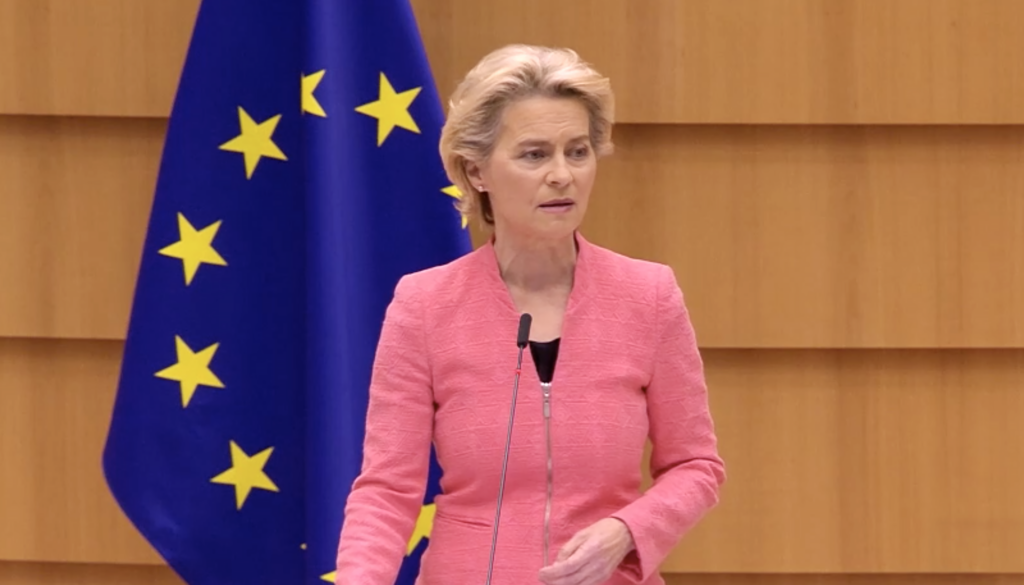
The EU’s “Roadmap towards Nature Credits” is designed to unlock private financing for biodiversity restoration and ecosystem preservation, transforming measurable nature-positive actions into certified investment opportunities. This initiative aims to bridge an ambitious €65 billion annual biodiversity investment gap across Europe, with €7 billion already earmarked for commitment by 2027. Essentially, nature credits will reward businesses, landowners, and communities for engaging in activities like wetland restoration, forest expansion, and other verified environmental outcomes. European Commission President Ursula von der Leyen highlighted the core principle, stating, “We have to put nature on the balance sheet. That’s exactly what nature credits do.”
For investors accustomed to the tangible assets of the oil and gas sector, this new framework demands attention. It introduces a mechanism where ecological improvements can generate revenue streams, enhancing the social license and reputation of investing entities. With approximately 75% of eurozone businesses dependent on nature, the Commission envisions nature credits as a dual-benefit asset class: driving biodiversity restoration while simultaneously opening new revenue avenues for land custodians such as farmers and foresters. This fundamental re-evaluation of nature as a “strategic asset for Europe’s future” will inevitably influence capital flows, pushing institutional investors to consider diversification into these nascent environmental markets, potentially impacting the long-term cost of capital and investment horizons for traditional energy projects.
Navigating Volatility: Traditional Energy vs. Emerging Green Assets
While the long-term vision for nature credits takes shape, the immediate landscape for traditional energy markets remains characterized by dynamic price movements and geopolitical sensitivities. As of today, Brent crude trades at $94.8 per barrel, reflecting a modest intraday gain, yet it sits nearly 9% lower than its position two weeks ago, when it commanded $102.22. WTI crude follows a similar trajectory, currently at $90.87. These fluctuations underscore the inherent volatility and supply-demand sensitivity that define conventional energy investing, a stark contrast to the promise of long-term, nature-positive returns touted by the nature credits framework.
The divergence in market drivers is significant. Gasoline prices, currently at $3 per gallon and up just over 1% today, reflect immediate consumer demand and refining margins, while the 14-day Brent trend from $102.22 to $93.22 illustrates the broader macroeconomic and geopolitical pressures on crude benchmarks. This backdrop of traditional energy market volatility presents a compelling argument for investors to explore new asset classes that offer different risk-reward profiles. The EU’s initiative, by establishing clear standards and certification mechanisms to ensure trust and avoid greenwashing, aims to build a credible and transparent market that could attract capital seeking more stable, ESG-aligned returns, potentially drawing funds from portfolios traditionally focused solely on fossil fuels.
Investor Sentiment: Balancing Immediate Energy Needs with Long-Term Sustainability
Our proprietary data indicates that investors are keenly focused on immediate market forecasts, with frequent inquiries about “base-case Brent price forecast for next quarter” and the “consensus 2026 Brent forecast.” This persistent focus on short-to-medium-term commodity price drivers highlights the immediate concerns of energy investors. However, the emergence of initiatives like nature credits suggests a broader, structural shift in what constitutes a valuable and sustainable investment.
The strategic intent behind nature credits is to make “nature a strategic asset.” This reframes the investment calculus, not just for environmental funds, but potentially for diversified energy portfolios. As energy companies increasingly face ESG pressures and scrutiny over their environmental impact, the ability to invest in certified nature-positive actions could become a critical component of their sustainability strategies, offering both a pathway to compliance and a potential new revenue stream. While the immediate concerns about Chinese teapot refinery runs or Asian LNG spot prices dominate, forward-thinking investors should also be evaluating how these new green asset classes will integrate into, or compete with, traditional energy investments, ultimately influencing long-term capital allocation decisions for the sector.
Upcoming Milestones and the Evolving Investment Landscape
While the immediate future of crude prices will undoubtedly be shaped by events like the Baker Hughes Rig Count on April 17th and 24th, the OPEC+ JMMC and Full Ministerial Meetings on April 18th and 20th, and the API and EIA Weekly Crude Inventory reports on April 21st, 22nd, 28th, and 29th, the development of the nature credits market also has its own crucial timeline. These traditional energy events provide short-term trading signals and market direction, but the foundational work for nature credits represents a slower, yet potentially more profound, structural shift in the investment landscape.
The European Commission has launched a call for stakeholder involvement, including the formation of a new expert group, with the first selection deadline for expressions of interest set for September 10, 2025. Additionally, an open feedback consultation will run until September 30, 2025. These dates, though seemingly distant, are critical for shaping the market’s credibility, transparency, and administrative efficiency. For oil and gas investors, monitoring the progression of these consultations and the development of robust certification standards is essential. The success of this initiative could determine how quickly and effectively private capital is mobilized towards biodiversity, influencing not only environmental outcomes but also the long-term valuation and strategic direction of companies within and adjacent to the traditional energy sector. Investors must increasingly track both the immediate pulse of the oil markets and the strategic evolution of emerging green asset classes to secure future returns.


