

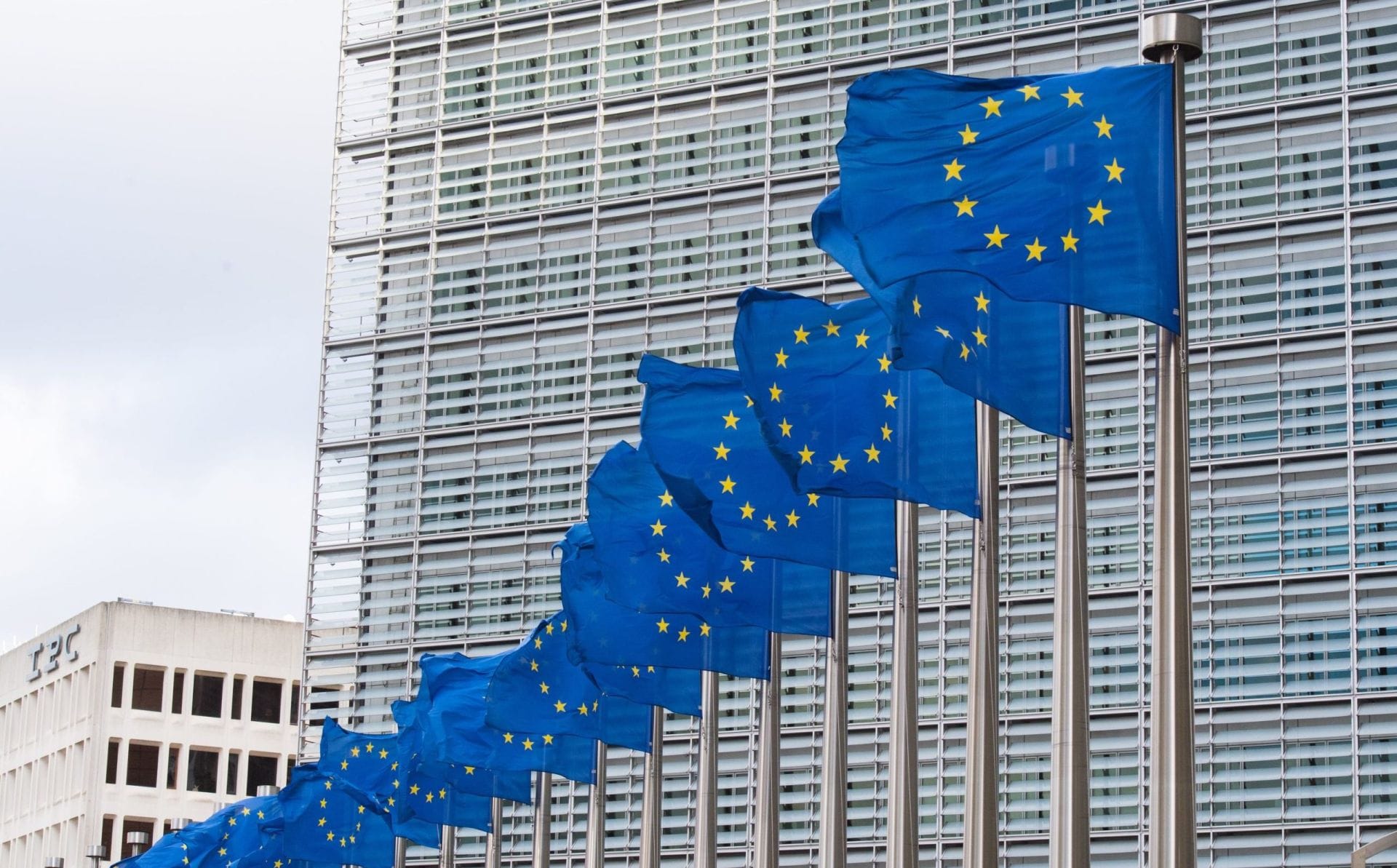
EU member states agreed to cut greenhouse gas emissions by 90% by 2040, relative to 1990 levels.
The deal allows countries to meet up to 5% of the target through foreign carbon credits, with an option to expand that later.
The compromise aims to preserve EU unity ahead of COP30 but softens the bloc’s domestic decarbonisation ambition.
Brussels Sets 2040 Climate Goal
After marathon overnight talks, European Union environment ministers reached an agreement to reduce greenhouse gas emissions by 90% by 2040, compared to 1990 levels. The deal, reached early Wednesday, represents a crucial waypoint between the EU’s existing 2030 target of a 55% cut and its legally binding goal of net-zero emissions by 2050.
The agreement came after hours of negotiation under the Danish EU presidency, with ministers pushing to finalise a position before the COP30 climate summit in Brazil. While the 90% figure remains intact, the final compromise introduces flexibility that effectively lowers the burden on domestic industries.
Flexibility and Political Compromise
Under the approved framework, member states will be allowed to meet up to 5% of their emission-reduction obligations through the purchase of foreign carbon credits. The EU also agreed to explore the possibility of allowing an additional 5% via international credits in future reviews. These provisions could reduce the domestic emissions-cutting requirement to around 85%.
The European Commission had initially proposed the 90% reduction goal with a 3% credit ceiling, but resistance from several member states led to the higher allowance. Supporters of the compromise argue it maintains ambition while safeguarding competitiveness and social balance.
However, climate policy experts and scientific advisers have warned that expanding the use of offsets weakens the integrity of the target. They argue that it risks delaying the structural changes needed to decarbonise Europe’s energy, transport, and industrial systems.
Industry Pushback and Regional Divides
The final agreement reflects growing divisions within the bloc over the pace and cost of climate action. Eastern and Central European countries, including Poland, Slovakia, and Hungary, opposed the 2040 target, arguing that steep cuts would damage industrial competitiveness and increase energy insecurity.
To secure broader backing, negotiators also delayed the rollout of the new EU carbon market by one year, moving its start to 2028. Several politically sensitive measures—such as tighter industrial limits and stricter vehicle standards—were softened or deferred.
The result is a politically viable, though less stringent, roadmap. Danish climate minister Lars Aagaard, who chaired the negotiations, said the agreement balanced ambition with economic realism. “Setting a climate target is not just about picking a number,” he said. “It is a political decision with far-reaching consequences for Europe’s economy and security.”

Governance and Financial Implications
The 2040 target will require sweeping changes across Europe’s regulatory and investment frameworks. It will shape the post-2030 climate policy architecture, including future reforms of the Emissions Trading System (ETS), carbon removals, and clean energy subsidies.
For businesses and investors, the target provides a long-term horizon for capital allocation. It reinforces expectations of a more integrated carbon market and accelerated deployment of low-carbon technologies across heavy industry, transport, and energy systems.
Yet the inclusion of carbon-credit flexibility also introduces new uncertainty. It ties a portion of Europe’s climate goals to global offset markets, exposing companies and investors to questions of credit quality, additionality, and transparency. The decision could influence future trading dynamics in international carbon markets and shape demand for verified offsets from developing economies.
RELATED ARTICLE: EU Sets 2040 Climate Target with 90% Emissions Reduction
What Executives Should Watch
Corporate leaders and institutional investors should interpret the 2040 target as both a directional signal and a governance test. The agreement affirms the EU’s long-term decarbonisation trajectory but also reveals mounting pressure to balance climate policy with industrial strategy and social stability.
Key areas to monitor include:
The design of sector-specific legislation translating the 2040 target into law.
Adjustments to the ETS cap trajectory and treatment of industrial free allocations.
The evolving role of carbon removals, offsets, and clean hydrogen in meeting post-2030 goals.
Global Context and COP30 Outlook
The agreement ensures that the EU arrives at COP30 with a unified position, even if tempered by compromise. It also forms the foundation of the bloc’s next nationally determined contribution under the Paris Agreement, which must be submitted to the UN climate convention this month.
Globally, the EU’s decision will influence how other major economies set their own 2040 pathways. Yet the softening of Europe’s target highlights the political and economic strains of sustaining high climate ambition amid inflation, energy security concerns, and industrial competition.
As COP30 opens in Brazil, the EU will present itself as a leader still committed to deep decarbonisation—albeit one now walking a finer line between ambition and pragmatism. The coming decade will determine whether flexibility strengthens Europe’s credibility as a climate actor or erodes the momentum built since the European Green Deal.
Follow ESG News on LinkedIn
