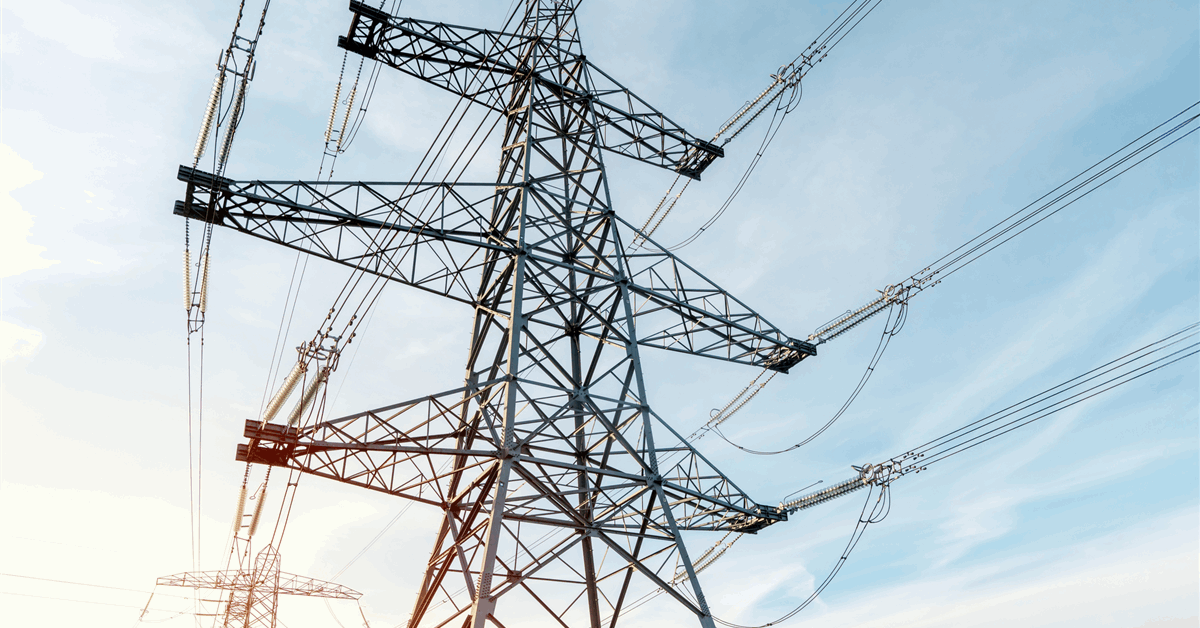
The European Union’s ambitious push towards a green energy future is encountering a formidable, yet often underestimated, hurdle: the very infrastructure meant to carry this new power. Our proprietary data analysis, coupled with recent market developments, reveals that a staggering 1,700 gigawatts (GW) of renewable and hybrid energy projects are currently awaiting grid connections across 16 European nations. This massive backlog, concentrated between 2024 and 2025, signals a critical inflection point for energy investors, highlighting a profound disconnect between policy aspirations and ground-level infrastructure realities that will shape the profitability and trajectory of European energy investments for years to come.
The Gigawatt Logjam: A Critical Barrier to EU Green Ambitions
The sheer scale of the 1,700 GW queue underscores a systemic issue within Europe’s energy transition. This capacity, significantly exceeding the additional installations required to meet national energy and climate plan goals by 2030, sits idle, representing billions in stranded capital and deferred carbon reductions. The core problem, as our analysis indicates, lies in outdated planning and policy frameworks that have slowed the necessary upgrades and expansion of the continent’s electricity transmission networks. Many Transmission System Operators (TSOs) continue to base their long-term scenarios on historical government targets and market assumptions, failing to account for the exponential growth in renewable energy generation. This operational inertia acts as a significant handbrake, impeding the integration of clean power and jeopardizing the EU’s binding target of 42.5% renewable energy in its overall mix by 2030, enshrined in the 2023 Renewable Energy Directive.
Grid Stability, Curtailment, and the Persistent Fossil Fuel Question
Beyond simply connecting new projects, the quality and stability of the grid are paramount. The recent power outage across the Iberian Peninsula on April 28th, impacting Spain, Portugal, and parts of southern France, served as a stark reminder of these vulnerabilities. Blamed on unstable frequency, this event highlights a critical challenge posed by the non-synchronous nature of many renewable sources like wind and solar. Unlike traditional thermal generators, their output variability can introduce frequency fluctuations, demanding a much more flexible and robust grid. Our data points to high levels of renewable energy curtailment – instances where clean power generated cannot be transmitted due to grid limitations – demonstrating an urgent need for increased investment in “clean flexibility,” including advanced energy storage solutions and mainstreaming demand-side response mechanisms. Paradoxically, while the EU aims for decarbonization, the majority of TSOs’ long-term plans still assume significant fossil gas plant capacity extending to 2035. This creates a “self-fulfilling prophecy” risk, where a lack of proactive grid investment perpetuates reliance on fossil fuels, even as renewable capacity is readily available but unutilized.
Market Volatility Meets Long-Term Transition: What Investors Are Asking
The current macroeconomic climate adds another layer of complexity to Europe’s energy transition. As of today, Brent Crude trades at $90.38 per barrel, experiencing a sharp decline of 9.07% within the day, with a range between $86.08 and $98.97. WTI Crude is similarly impacted, trading at $82.59, down 9.41%. This significant daily drop follows a broader trend, with Brent having fallen from $112.78 on March 30th to $91.87 on April 17th, representing an 18.5% decrease in just two weeks. This marked volatility naturally leads investors to question the future of traditional energy. Our reader intent signals confirm this, with queries like “what do you predict the price of oil per barrel will be by end of 2026?” dominating discussions. For integrated energy companies with substantial European exposure, such as those our readers frequently ask about (e.g., “How well do you think Repsol will end in April 2026?”), navigating this short-term price instability while simultaneously investing in renewable projects facing grid bottlenecks is a delicate balancing act. The EU’s roadmap to end all Russian energy imports by 2027, particularly for gas, further intensifies this dynamic, potentially sustaining demand for non-Russian fossil gas in the medium term, even as domestic renewable deployment struggles with infrastructure constraints. This creates a challenging environment where capital allocation must weigh the immediate returns from traditional assets against the long-term, yet currently hindered, promise of renewables.
Navigating the Policy Landscape: Opportunities and Risks Ahead
While Europe grapples with its grid investment deficit, the immediate energy market remains highly sensitive to supply-side signals. Investors are keenly focused on upcoming calendar events that will shape short-to-medium term oil and gas prices. The OPEC+ Joint Ministerial Monitoring Committee (JMMC) meeting on April 18th, followed by the Full Ministerial meeting on April 19th, are critical dates. Discussions around current production quotas, a frequent query from our readers, will directly influence global supply and thus the price environment for fossil fuels. Any decision to adjust quotas could significantly impact the economic rationale for continued reliance on fossil gas in Europe, potentially diverting or accelerating capital flows towards (or away from) grid modernization efforts. Furthermore, the weekly API and EIA crude inventory reports, scheduled for April 21st, 22nd, 28th, and 29th, will offer crucial insights into immediate supply-demand dynamics. These reports, alongside the Baker Hughes Rig Count on April 24th and May 1st, provide tactical signals that influence investor confidence in the traditional energy sector. For European policymakers, the imperative is clear: revise the legal mandates of energy regulators and TSOs to align with ambitious climate targets and foster the long-term foresight necessary to build a truly resilient, decarbonized power system. Until these structural and policy misalignments are addressed, the current grid bottlenecks will continue to stifle Europe’s green ambitions, creating both significant risks and unique opportunities for discerning energy investors.


