
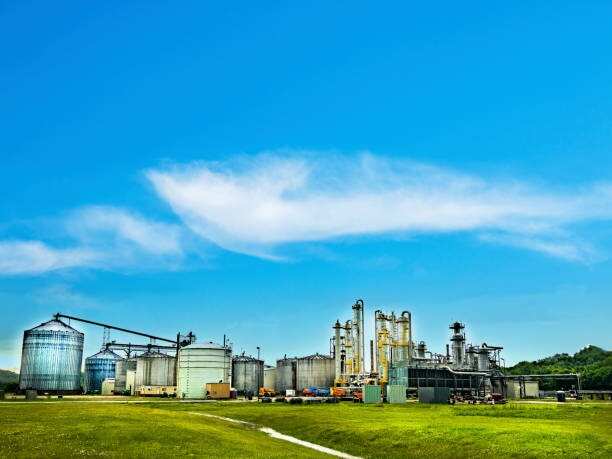
New Delhi: Capacity utilisation at distilleries is set to remain tepid this year as new lines come onstream while ethanol procurement by state-run oil marketing companies is expected to rise only marginally.
“Ethanol is posing a lot of challenges,” Sanjay Khanna, interim CEO at Bharat Petroleum Corporation (BPCL) told ET. “It has swung from one side to the other. Supply is so high.”
India currently has annual ethanol production capacity of about 18 billion litres, which will expand to 21 billion litres once under-construction plants get commissioned, said Khanna, director – refineries at BPCL, and holding additional charge as chairman.
State-run fuel retailers – BPCL, HPCL and Indian Oil – procure ethanol for 20 per cent blending in petrol. In the ethanol year ended October 2025, oil companies blended about 11 billion litres of ethanol, said Khanna.
The current ethanol year that began last November is expected to see demand for 11-12 billion litres, based on petrol consumption growth.
Petrol sales have been rising at about 6 per cent this fiscal year. If the trend continues, ethanol demand will grow at a similar pace – far slower than the addition in production capacity.
Oil companies plan to source supplies from both existing and newly commissioned distilleries, implying lower capacity utilisation for older plants as output from new facilities enters the system. Under mounting pressure from producers to lift offtake, oil companies have little room to manoeuvre. The 20 per cent blending target effectively caps absorption, limiting their ability to raise procurement beyond mandated levels.
Discussions among policymakers on raising the blending target stalled last year after a social media backlash over potential damage to vehicles not designed to run on higher ethanol blends.
While the government dismissed the criticism as motivated, it hasn’t taken concrete steps since to raise the blending threshold.
Drivers have also sought a price discount for ethanol-blended fuel, citing its lower energy content – about a third less than pure petrol. A 20 per cent blend is estimated to lessen fuel efficiency by 6 per cent. The oil ministry however rejected the demand in August, saying ethanol was costlier than petrol.
India’s ethanol blending programme is aimed at reducing crude oil imports by substituting them with domestically produced biofuel. It also supports sugarcane and maize farmers.