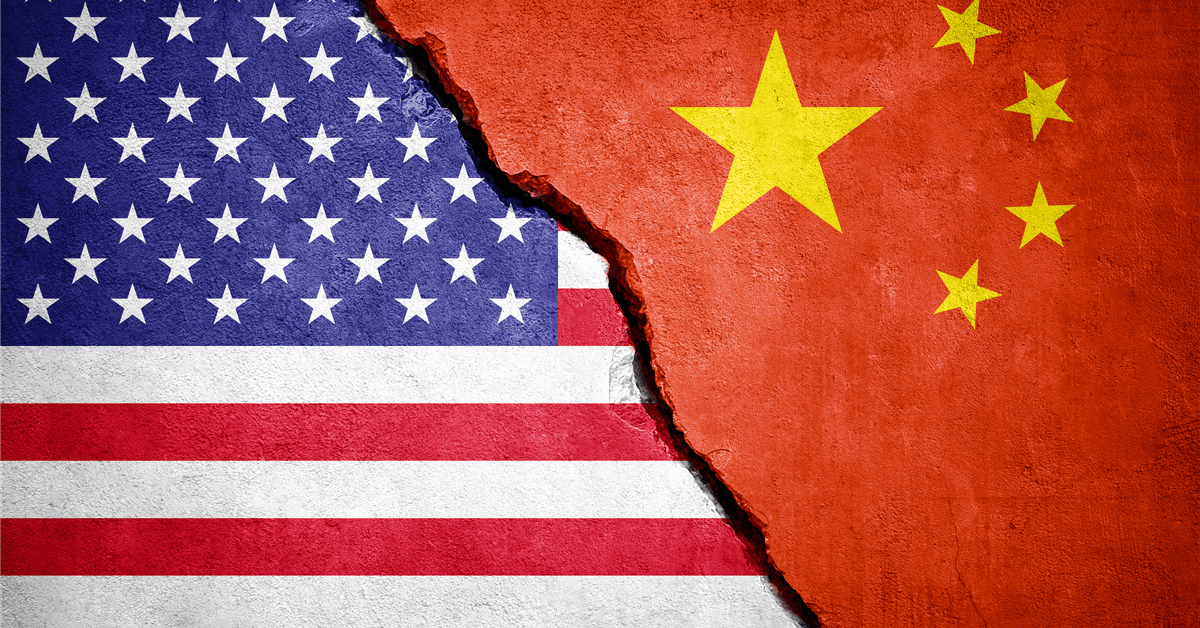
The global energy landscape continues to present a complex mosaic for investors, with geopolitical maneuvers frequently intersecting with fundamental supply and demand dynamics. A recent, subtle shift in US trade policy regarding ethane exports to China offers a prime example, loosening some logistical shackles while maintaining strategic leverage. This nuanced development directly impacts midstream operators and the broader petrochemical value chain, demanding careful consideration from those seeking alpha in a volatile market.
Ethane’s Strategic Role and Supply Chain Pressures
Ethane, a crucial natural gas liquid (NGL) and a primary feedstock for ethylene production, is indispensable for the global petrochemical industry, particularly for manufacturing plastics. Its abundant supply in the United States, largely a byproduct of prolific shale gas extraction, has positioned the US as a dominant exporter. China, in particular, relies almost entirely on American ethane to fuel its expansive plastics sector. However, recent trade tensions saw ethane become a bargaining chip, leading to significant disruptions. American midstream companies like Enterprise Products Partners LP and Energy Transfer LP, major players in the ethane export infrastructure, faced mounting pressure. Proprietary data indicated a substantial buildup of US ethane inventories, while expensive, purpose-built very large ethane carriers (VLECs) were forced to idle or divert to alternative markets such as India, abandoning previously dedicated US-China routes. For instance, reports indicated INEOS Group Holdings SA had one tanker full of ethane awaiting shipment, and Enterprise Products Partners had several vessels, estimated at three to four cargo ships, stuck in limbo due to the export restrictions. This situation underscored the detrimental impact on US producers and logistics providers, who bore a disproportionate burden from the trade curbs.
Unpacking the Nuance: Transit Permitted, Not Sale
The recent policy adjustment, while providing a measure of relief, is carefully structured. The US Bureau of Industry and Security (BIS) has now granted authorization for ethane to be loaded onto tankers and transported to Chinese ports. This means the logistical bottleneck at US Gulf Coast loading terminals, which had trapped vessels and product, is now easing. However, a critical caveat remains: US entities are still barred from unloading this cargo for use by Chinese entities without explicit, further BIS authorization. This creates a fascinating strategic dilemma. Vessels departing Houston will typically take approximately 30 days to reach Chinese ports, effectively buying the US administration time. This interim period is likely intended to secure more definitive concessions from China, particularly concerning the export of rare earth materials, a key component of a broader trade framework Washington is pursuing with Beijing. For investors in Enterprise Products Partners and Energy Transfer, this development partially de-risks their shipping operations by allowing asset utilization, but the ultimate commercialization of the transported ethane remains contingent on future diplomatic breakthroughs. The core question for market participants persists: what happens when these vessels arrive, laden with product, but without an immediate buyer?
Market Headwinds and Investor Sentiment Amidst Evolving Trade Dynamics
The broader energy market currently reflects a degree of uncertainty, even as specific product flows like ethane see nuanced policy shifts. As of today, Brent crude trades at $94.79 per barrel, showing a modest daily decline of 0.72%, while WTI crude sits at $86.47, down 1.09%. This daily dip follows a more significant trend: Brent has seen a nearly 20% depreciation over the past two weeks, dropping from $118.35 on March 31st to $94.86 by April 20th. This notable pullback in crude prices provides a challenging backdrop for investment decisions across the energy complex. Our proprietary reader intent data reveals investors are actively grappling with this volatility, frequently asking about the immediate direction of WTI and posing questions like, “What do you predict the price of oil per barrel will be by end of 2026?” This reflects a market searching for clarity amidst macroeconomic pressures, geopolitical tensions, and evolving trade policies. The ethane situation, while specific, adds another layer to this complexity. While allowing transit mitigates some US-side pain, the lack of final sales authorization means continued uncertainty for demand, which can indirectly influence NGL prices and, consequently, the economics of crude and natural gas production. Investors will need to closely monitor how these trade-related nuances play out, as they significantly impact the profitability and stability of midstream assets and petrochemical investments.
Forward-Looking Catalysts: Upcoming Events to Watch
As investors navigate these intricate market conditions, several key upcoming events will provide critical insights and potential catalysts. The OPEC+ Joint Ministerial Monitoring Committee (JMMC) Meeting on April 21st stands out as a primary driver for crude oil price direction, which in turn influences the broader NGL market. Any shifts in production policy from this influential group could ripple through the entire energy complex. Furthermore, the weekly rhythm of US inventory data will be crucial. The EIA Weekly Petroleum Status Reports, scheduled for April 22nd and April 29th, along with the API Weekly Crude Inventory reports on April 28th and May 5th, will offer granular detail on crude, gasoline, and NGL stock levels, providing essential signals about demand and supply balances. Given ethane’s origin as a shale byproduct, the Baker Hughes Rig Count on April 24th and May 1st will be closely watched for indications of future drilling activity and, consequently, potential ethane supply. Finally, the EIA Short-Term Energy Outlook on May 2nd will provide a comprehensive forecast for the coming months, offering a strategic perspective for investors looking beyond daily fluctuations. These events, combined with ongoing developments in US-China trade relations, will shape the investment thesis for midstream infrastructure, petrochemical producers, and the broader energy sector in the near term.


