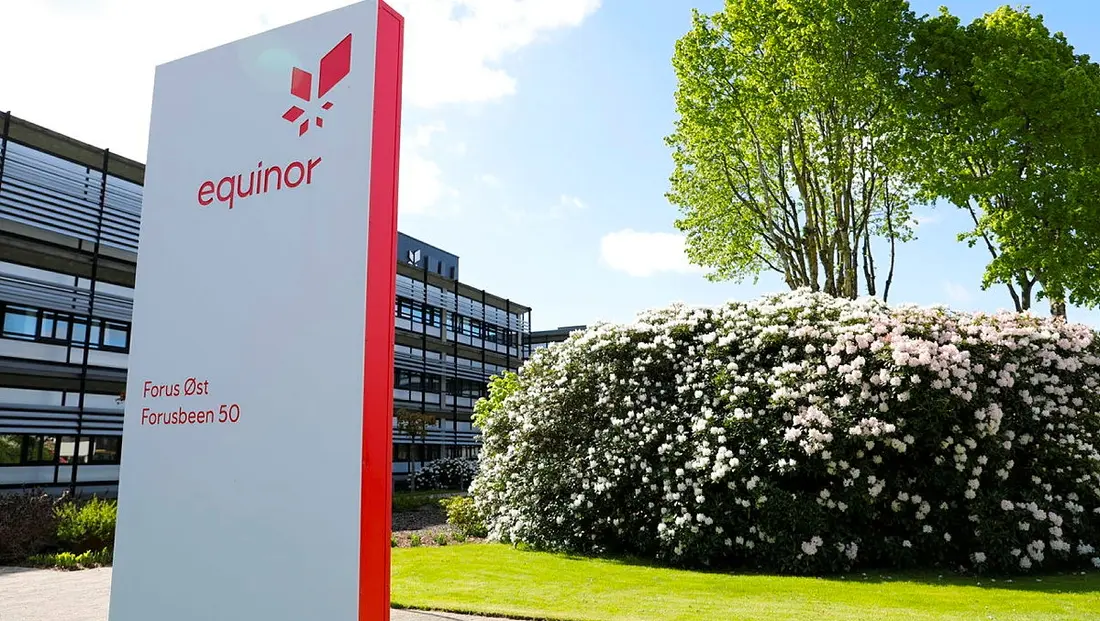
Equinor, a global energy giant with deep roots in oil and gas, is making a significant play in the evolving energy landscape, committing up to $940 million to maintain its 10% stake in Danish offshore wind developer Orsted. This substantial investment is part of Orsted’s larger $9.4 billion rights issue, a critical move to shore up its finances after a turbulent year for the offshore wind sector. For investors, this decision by Equinor—bolstered by support from the Norwegian sovereign wealth fund and the Danish state—signals a complex balancing act: solidifying a long-term renewable energy bet while the traditional fossil fuel market navigates its own volatile currents. It raises questions about strategic diversification, the resilience of clean energy investments, and the future role of integrated energy companies.
Equinor’s Strategic Double-Down Amidst Offshore Wind Headwinds
Equinor’s decision to participate in Orsted’s capital raise is more than just a financial transaction; it’s a strategic reaffirmation of its commitment to offshore wind, even as the sector grapples with significant challenges. The investment, which secures Equinor’s 10% holding, comes at a time when Orsted’s shares have plummeted by 85% from their 2021 peak, reflecting the industry’s struggles with rampant inflation, persistent supply-chain bottlenecks, and sudden shifts in regulatory policy, particularly in the United States. While some analysts have characterized Equinor’s move as a necessity to avoid dilution, the company itself frames it as a “long-term bet on offshore wind’s future.” This commitment suggests a deeper conviction in the fundamental growth trajectory of renewables, despite the current turbulence. Equinor’s stated intent to pursue “closer industrial and strategic collaboration” with Orsted, including nominating a board candidate, underscores a desire for active involvement in shaping the sector’s recovery and future direction, potentially signaling a new era of consolidation and innovative business models in offshore wind.
Navigating Volatility: Offshore Wind vs. The Crude Market Reality
Equinor’s strategic investment in offshore wind stability occurs against a backdrop of significant volatility in the broader energy markets. As of today, Brent Crude trades at $90.38 per barrel, marking a sharp decline of 9.07% on the day, with its price range fluctuating between $86.08 and $98.97. This daily swing is indicative of a broader trend; over the past two weeks, Brent has dropped from $112.78 on March 30 to $91.87 on April 17, representing an 18.5% decrease. Similarly, WTI Crude stands at $82.59, down 9.41% today. This pronounced instability in crude prices presents a stark contrast to the capital-intensive, long-gestation period of offshore wind projects, which typically promise more predictable, albeit lower, returns once operational. For an integrated energy company like Equinor, maintaining a robust portfolio requires astute capital allocation between high-volatility, high-return oil & gas assets and the more stable, yet currently challenged, renewable sector. The current crude market dynamics inevitably influence the perceived risk and reward of its strategic bets, making the Orsted investment a calculated move to diversify revenue streams away from the often unpredictable fossil fuel cycle.
Investor Focus: Oil Price Outlook and Upcoming Market Catalysts
Our proprietary data on investor sentiment reveals a keen interest in the future trajectory of oil prices and the factors influencing them. Investors are actively asking questions such as, “What do you predict the price of oil per barrel will be by end of 2026?” and inquiring about “OPEC+ current production quotas.” This intense focus highlights the critical role of crude market dynamics in investment decisions across the energy sector. These questions take on immediate relevance with crucial upcoming events on the horizon. The OPEC+ Joint Ministerial Monitoring Committee (JMMC) meeting is scheduled for April 18, followed by the Full Ministerial meeting on April 19. Any decisions regarding production levels from these gatherings will undoubtedly send ripples through the global crude market, directly impacting prices and, consequently, the profitability of upstream oil & gas producers like Equinor. Further short-term indicators will come from the API Weekly Crude Inventory reports on April 21 and 28, and the EIA Weekly Petroleum Status Reports on April 22 and 29. These reports will offer fresh insights into supply and demand balances, providing crucial context for the market’s direction. For investors in companies like Equinor, understanding how these traditional energy market catalysts will play out is essential for evaluating the company’s overall financial health and its capacity to fund its ambitious renewable energy transition.
The Road Ahead: Consolidation and Collaboration in Renewable Energy
Equinor’s move into Orsted comes with a clear strategic vision for the offshore wind sector: consolidation and new business models. The company’s statement about seeking “closer industrial and strategic collaboration” and nominating a board candidate suggests a proactive approach to shaping the future of the industry, rather than merely holding a passive financial stake. This deeper involvement reflects a recognition that the current challenges facing offshore wind—from inflation to regulatory hurdles—necessitate stronger partnerships and potentially more integrated value chains. The participation of the Danish government (owning over 50% of Orsted) and Norway’s sovereign wealth fund (holding around 3%) in the rights issue provides a significant layer of institutional support, signaling national-level commitment to the sector’s long-term viability. This collective backing is crucial for stabilizing a capital-intensive industry that requires massive upfront investment and faces policy uncertainties. For Equinor, this commitment is a long-term bet on the global energy transition, positioning itself not just as an oil and gas major, but as a diversified energy provider capable of navigating both the traditional and emerging energy landscapes. The success of this strategy will depend heavily on the industry’s ability to innovate, optimize costs, and secure stable regulatory environments globally.


