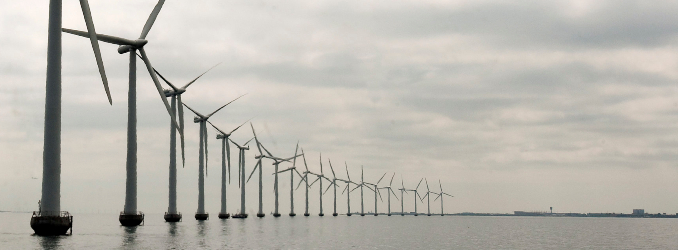
The US offshore wind sector received a significant boost this week as the stop-work order on Equinor’s Empire Wind project was officially lifted, allowing construction to resume. This critical development, following extensive dialogue with federal, state, and city officials, marks a pivotal moment for the Norwegian energy giant’s ambitious renewable energy play in New York. Once operational, the Empire Wind development is poised to supply clean power to approximately 500,000 homes in the region, underscoring its importance not just for Equinor’s portfolio, but for the broader US energy transition and infrastructure goals. For investors monitoring the evolving energy landscape, this signals a path forward for large-scale renewable projects, even as traditional energy markets grapple with their own set of dynamics.
The Green Light for Empire Wind: A Strategic Signal Amidst Market Volatility
The resumption of work on the Empire Wind project is a testament to the complex, multi-stakeholder collaboration required for major infrastructure developments, particularly in the burgeoning offshore wind sector. The successful resolution involved key figures from the previous presidential administration, Governor Hochul, Mayor Adams, congressional leaders including Senators Schumer and Gillibrand, and various labor groups, demonstrating a broad consensus on the project’s strategic value. For Equinor, this green light provides crucial momentum after a period of uncertainty, allowing the company to re-engage with suppliers and regulatory bodies to mitigate the impact of the prior halt.
This positive news in the renewable energy space arrives at a time of notable volatility in the traditional oil and gas markets. As of today, Brent crude is trading at $90.38, reflecting a significant 9.07% decline for the day, with WTI crude similarly impacted, down 9.41% to $82.59. This daily downturn extends a broader trend observed over the past two weeks, where Brent crude prices plummeted by over $20, from $112.78 on March 30th to $91.87 yesterday. For investors, this stark contrast between the long-term, capital-intensive commitment to renewable infrastructure and the immediate, often dramatic, fluctuations in crude oil prices highlights the dual nature of the modern energy portfolio. Equinor’s progress on Empire Wind thus represents a strategic hedge against the inherent unpredictability of fossil fuel markets, solidifying its position in the more stable, albeit still developing, clean energy sector.
Equinor’s Diversification Strategy and Evolving Investor Outlook
Equinor’s commitment to the Empire Wind project underscores its broader strategy of diversifying beyond its traditional oil and gas roots into renewable energy. As a major player in both conventional and unconventional hydrocarbons, the company is actively shaping its future portfolio to align with global energy transition goals. The next critical step for Equinor involves performing an updated assessment of the project’s economics in the second quarter, a crucial exercise to ensure financial viability and optimize execution. The current target remains for offshore installation activities to commence in 2025, with commercial operation slated for 2027.
Our proprietary reader intent data reveals a significant focus among investors on future oil price predictions for late 2026, alongside persistent inquiries regarding overall market stability and specific company performance, such as that of Repsol. This reflects a clear desire for long-term clarity in a market often characterized by short-term swings. Equinor’s continued investment in large-scale renewable ventures like Empire Wind directly addresses this investor sentiment by offering a strategic pathway for growth and revenue diversification that is less susceptible to the immediate geopolitical and supply-demand pressures impacting crude markets. Investors are increasingly seeking assets that offer both resilience and alignment with future energy trends, making such renewable projects a compelling component of a diversified energy investment thesis.
Powering the Future: US Infrastructure and Surging Demand
Beyond its direct impact on Equinor’s bottom line, the Empire Wind project carries substantial implications for US energy infrastructure and economic development. The project is set to save thousands of American jobs and drive continued investments across a national supply chain, benefiting states far beyond New York, including Louisiana, Pennsylvania, Texas, and South Carolina. This multi-state economic footprint highlights the distributed benefits of large-scale renewable energy projects, fostering job creation and industrial growth in various regions.
The project’s advancement is particularly timely given the surging power demand across the United States. Industry analysis, echoed by the National Ocean Industries Association (NOIA), points to exponential growth in electricity consumption driven by the rapid expansion of AI, data centers, and advanced manufacturing capabilities. Offshore wind, therefore, is not merely an environmental imperative but a critical component of an “all-of-the-above” energy strategy necessary to meet these escalating demands. Investors recognize that reliable, scalable power sources are fundamental to supporting the next wave of technological and industrial innovation, making projects like Empire Wind strategically vital for long-term economic competitiveness.
Navigating the Broader Energy Market: Upcoming Catalysts for Investors
While the focus on Empire Wind is on renewable energy, it operates within a broader energy market ecosystem that investors must continuously monitor. Equinor, as a diversified energy company, is subject to the influences of both the clean energy transition and the traditional oil and gas sector. The project’s path forward will still require diligent engagement with suppliers and regulatory bodies to minimize any residual impacts from the stop-work order and ensure adherence to the ambitious 2025 installation and 2027 commercial operation timelines.
Looking ahead, the next two weeks hold several key events that will shape the overall energy market sentiment. Investors should closely watch the upcoming OPEC+ Joint Ministerial Monitoring Committee (JMMC) meeting on April 18th, followed by the full OPEC+ Ministerial Meeting on April 19th. These gatherings are crucial for understanding global crude oil supply strategies and potential quota adjustments, which can significantly impact prices and broader capital allocation decisions across the energy sector. Furthermore, the API and EIA Weekly Crude Inventory reports on April 21st, 22nd, 28th, and 29th will provide fresh data on US petroleum stocks, offering critical insights into domestic supply-demand balances. While these events primarily concern traditional hydrocarbons, their outcomes can influence the broader investment climate for energy majors like Equinor, affecting their financial flexibility and strategic positioning across both fossil fuels and renewables. Astute investors will factor these macro catalysts into their evaluations of specific project developments like Empire Wind, recognizing the interconnected nature of the global energy investment landscape.


