Equinor’s Green Double-Down Amidst Market Turbulence
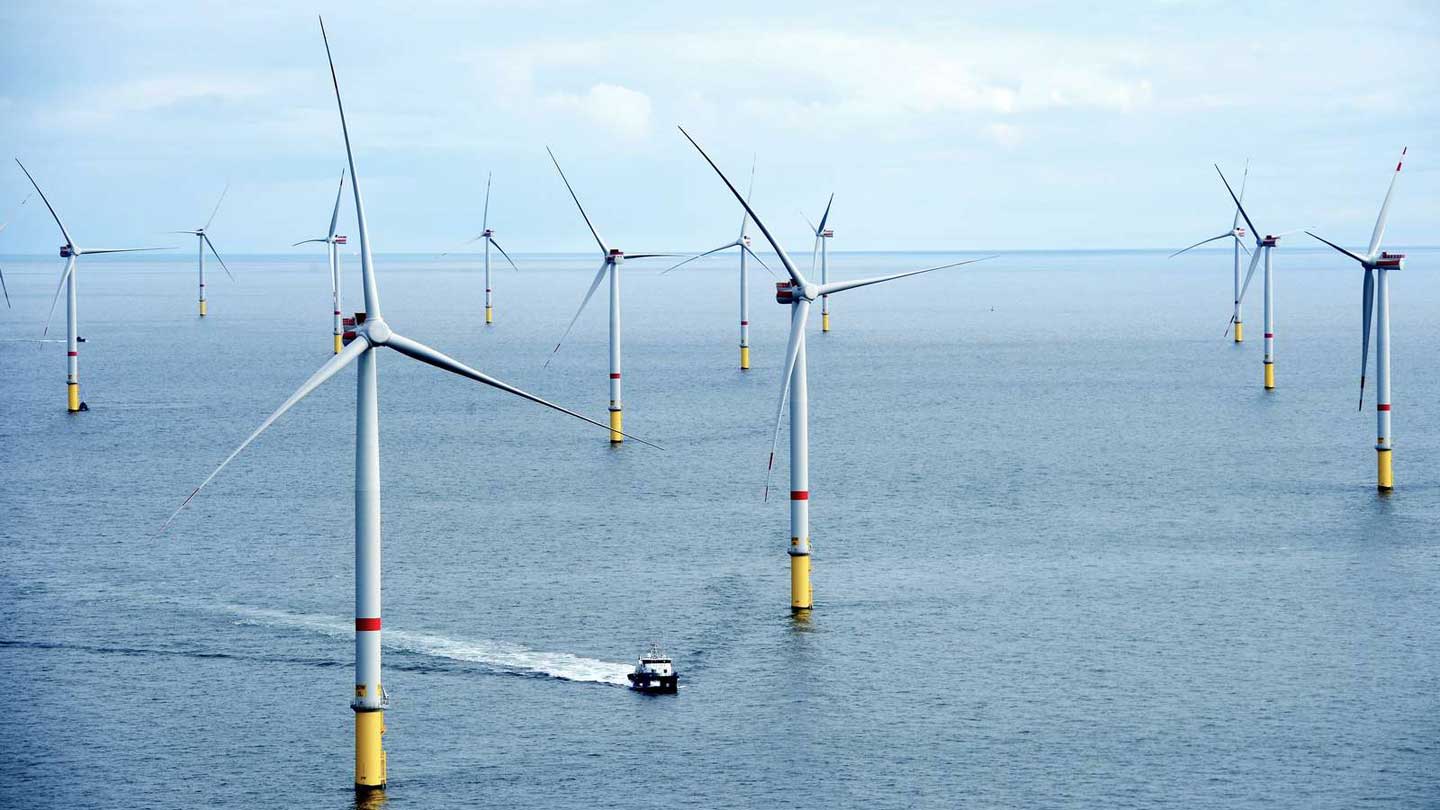
In a move that underscores the complex strategic balancing act facing integrated energy companies, Equinor ASA has committed nearly $1 billion to back Orsted A/S’s share sale. This significant investment signals Equinor’s continued conviction in the long-term potential of offshore wind, even as the sector grapples with substantial political headwinds from the current U.S. administration and challenging market conditions. Equinor, maintaining its 10% stake, is providing crucial support for Orsted’s ambitious $9.4 billion capital raise, a necessity after the U.S. government’s recent halt of the 80% complete Revolution Wind project sent the Danish firm’s stock to record lows. This decision by Equinor is not merely a financial transaction; it’s a profound statement on its commitment to the energy transition, even as the broader energy market experiences considerable volatility.
Strategic Resilience: Equinor’s Offshore Wind Bet Against the Tide
Equinor’s decision to subscribe for up to 6 billion Danish kroner ($940 million) in new shares for Orsted is a powerful affirmation of its “green agenda,” distinguishing it from some peers who have scaled back renewable ambitions. This commitment comes despite Equinor’s initial $2.5 billion investment in Orsted having lost approximately half its value, largely due to the U.S. administration’s aggressive posture against offshore wind. For investors keenly watching how traditional energy giants navigate the transition, a frequent question we observe is around the long-term viability of these large-scale renewable investments in a fluctuating policy landscape. Equinor’s stated belief in “closer industrial and strategic collaboration” suggests a deeper commitment than just financial backing, hinting at potential future synergies or even increased ownership. This strategic resilience is particularly noteworthy given the broader commodity market context. As of today, Brent crude trades at $90.38 per barrel, marking a significant 9.07% decline within the day, with WTI crude similarly down 9.41% to $82.59. This downward pressure on conventional energy prices might prompt some to reconsider capital allocation, yet Equinor is doubling down on its renewable strategy.
Offshore Wind’s Shifting Sands: Political Risk and Consolidation Prospects
The “Trump headwinds” represent a tangible political risk that has directly impacted the valuation and project timelines for offshore wind developers. The stop-work order on Revolution Wind off Rhode Island serves as a stark reminder that even well-advanced projects are vulnerable to policy shifts. This dynamic raises critical questions for investors: how do we price political risk into long-duration, capital-intensive renewable projects? Equinor’s statement that “the industry will see consolidation and new business models” in response to these challenges is not just an observation, but potentially a roadmap for its own future strategy. Consolidation could lead to more resilient, larger entities better equipped to absorb regulatory shocks and drive economies of scale. While the previously reported merger talks between Orsted and Equinor did not materialize, the emphasis on “closer industrial and strategic collaboration” indicates that the door for deeper integration remains open, perhaps once Orsted’s finances are stabilized. This forward-looking perspective on industry structure is vital for anyone analyzing the long-term prospects of the burgeoning offshore wind sector.
Navigating Market Volatility and Future Catalysts
The broader energy market is currently defined by significant volatility. The 14-day trend for Brent crude, showing a drop from $112.78 to $91.87, a decline of over 18%, highlights the unpredictable nature of oil prices. This kind of environment often leads investors to ask about future price predictions, with many enquiring about oil prices by the end of 2026. This uncertainty in the traditional oil & gas sector paradoxically influences investment decisions in renewables. For an integrated major like Equinor, a robust oil & gas segment can fund renewable ambitions, but sustained low prices could strain capital. Upcoming events will offer further insights into market direction. The OPEC+ Joint Ministerial Monitoring Committee (JMMC) and full Ministerial meetings scheduled for April 18th and 19th, respectively, will be critical in shaping supply expectations and, consequently, crude prices. Decisions from these meetings could influence the capital deployment strategies of all oil majors, including those with significant green portfolios. Weekly data releases like the API and EIA crude inventory reports, along with the Baker Hughes Rig Count, will continue to provide vital granular data points on supply and demand, informing investor sentiment and the financial backdrop against which renewable investments like Equinor’s Orsted backing are assessed.