The landscape for oil and gas investment is undergoing a subtle yet profound shift, not driven by immediate supply-demand dynamics, but by a changing regulatory philosophy that could dramatically reprice operational risk across the sector. A recent move by the US Environmental Protection Agency (EPA) signals a significant rollback of chemical safety protocols, dismantling protections refined over decades. This isn’t merely a political maneuver; for investors, it represents a potentially unquantified increase in exposure to catastrophic events, liability, and reputational damage that demands immediate attention. While the industry may initially welcome perceived cost savings from reduced compliance burdens, the long-term implications for asset valuation, insurance premiums, and social license to operate could be substantial, forcing a re-evaluation of what constitutes a “safe” investment in the energy space.
The Erosion of the Chemical Safety Shield: Unpacking New O&G Risk Exposures
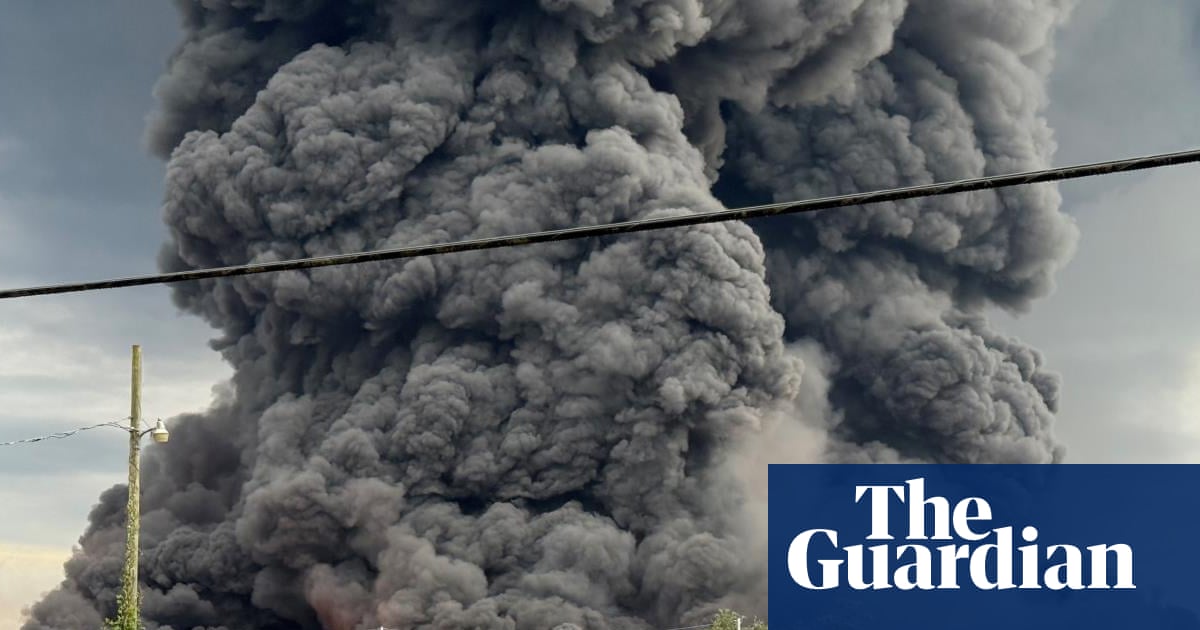
At the heart of this evolving risk profile is the EPA’s decision to largely undo the 2024 rule, a comprehensive update to the Chemical Accident Prevention Program, also known as the Risk Management Program (RMP). This program, established under a 1990 Clean Air Act revision, has historically mandated robust protocols for over 12,500 high-risk facilities to prevent chemical catastrophes or mitigate their fallout. The 2024 update, the culmination of 12 years of development, significantly strengthened these safeguards, requiring advanced detection technologies, fire suppression systems, and detailed personnel emergency response plans. However, industry stakeholders voiced concerns over implementation costs, leading to the current administration’s move to eliminate most of these enhanced provisions, claiming the revisions will provide “clearer and more workable” rules without compromising safety. This perspective, however, stands in stark contrast to the historical data: between 2004 and 2025, the US experienced a chemical accident harming humans or the environment, on average, every other day. High-profile incidents, such as the Roseland, Louisiana oil facility explosion that splattered oil miles away, underscore the very real, tangible risks that these regulations aim to prevent. For oil and gas investors, this represents a fundamental shift in the risk equation, transferring a greater burden of potential failure directly onto corporate balance sheets and, by extension, shareholder value.
Market Signals and Unpriced Liabilities in a Volatile Environment
Current market conditions underscore the importance of assessing these new layers of risk. As of today, Brent Crude trades at $93.72, up a modest 0.51% within a day range of $93.52-$94.21, while WTI Crude stands at $90.21, reflecting a 0.6% gain for the day. These daily movements, however, belie a more significant trend; our proprietary data shows Brent has experienced a notable decline of nearly 20% over the past 14 days, falling from $118.35 on March 31st to $94.86 on April 20th. This volatility and downward pressure on commodity prices could inadvertently amplify the regulatory risk. Companies, facing tighter margins, might be even more inclined to embrace cost-cutting measures associated with reduced compliance, potentially overlooking the long-tail liabilities of a major incident. Investors asking about the daily direction of WTI or the year-end oil price often focus on macro supply-demand fundamentals. Yet, the EPA’s regulatory rollback introduces a micro-level operational risk that remains largely unpriced in the broader market, creating potential for significant downside for specific companies if a major incident occurs. This isn’t about daily price swings; it’s about the fundamental valuation of assets operating with a potentially diminished safety net.
Navigating Upcoming Events Amidst Heightened Operational Risk
Looking ahead, the next few weeks present a series of key events that, while primarily focused on macro supply and demand, should be viewed through the lens of this emerging regulatory landscape. The OPEC+ Joint Ministerial Monitoring Committee (JMMC) meeting on April 21st will set the tone for global supply, while EIA Weekly Petroleum Status Reports on April 22nd and April 29th, alongside Baker Hughes Rig Counts on April 24th and May 1st, will provide crucial insights into US production and inventory levels. The EIA’s Short-Term Energy Outlook on May 2nd will offer a broader forecast. While these events typically drive investor sentiment on commodity prices, the underlying operational stability of energy assets is a critical, yet often overlooked, factor. A weakened regulatory environment could subtly impact investment decisions regarding new drilling, refinery expansions, or pipeline projects. Companies contemplating capital allocation might face increased scrutiny from lenders and insurers demanding higher risk premiums or more stringent internal safety protocols to compensate for the federal government’s diminished oversight. The industry’s ability to maintain a social license to operate, particularly for facilities located near communities (an estimated 180 million people live within several miles of RMP-covered plants), will be paramount. Investors should consider how this regulatory shift will factor into future earnings calls, particularly discussions around capital expenditures, insurance costs, and environmental, social, and governance (ESG) reporting.
Investor Focus: Beyond Price Predictions to Risk Mitigation
Our proprietary reader intent data reveals a consistent investor focus on price direction—questions like “what do you predict the price of oil per barrel will be by end of 2026?” and specific company performance inquiries are common. This strong emphasis on commodity prices is understandable, but the recent EPA actions introduce a new dimension to investment analysis that extends beyond simple price forecasts. The question for sophisticated investors is no longer just “is WTI going up or down?” but “how exposed are my portfolio companies to the increased risk of a major chemical accident, and are they adequately prepared for the financial and reputational fallout?” Companies that proactively invest in internal safety measures, even in the face of reduced federal mandates, may emerge as more resilient and attractive long-term investments. Conversely, those that prioritize short-term cost savings by scaling back preventative measures could face disproportionate consequences in the event of an incident. This regulatory shift necessitates a deeper dive into individual company balance sheets, risk management frameworks, and ESG commitments. The market may eventually assign a “safety premium” to operators with robust, voluntary protections, or a “risk discount” to those perceived as cutting corners. For the astute oil and gas investor, understanding this evolving risk profile is crucial to navigating the sector’s future and safeguarding long-term returns.


