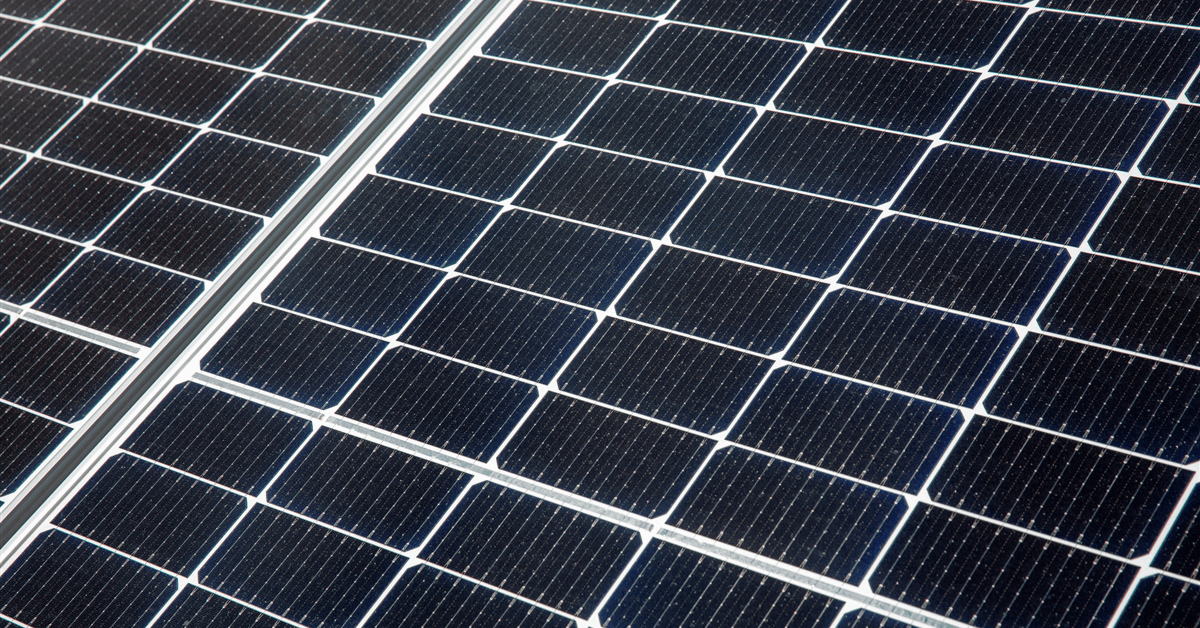
Eni, through its dedicated renewables arm Plenitude, is demonstrably accelerating its strategic pivot towards diversified energy sources, a move that astute investors should monitor closely. The recent agreement with Modine to construct a 1.585 megawatt peak (MWp) solar plant in Pocenia, Italy, is more than just another project; it represents a deepening commitment to decentralised, industrial-scale renewable energy solutions. This initiative, designed to power Modine’s facilities and contribute to an innovative thermal and cooling system, underscores Eni’s strategy to integrate cleaner energy across the industrial value chain, offering predictable returns in an often-unpredictable global energy landscape.
Eni’s Green Acceleration: A De-Risking Strategy in Volatile Markets
The Modine solar plant in Pocenia is a prime example of Eni’s pragmatic approach to the energy transition. With a capacity of 1.585 MWp, the plant is projected to generate approximately 1.8 gigawatt hours (GWh) annually, directly feeding Modine’s operations. This isn’t just about solar power; the project also incorporates high-efficiency, next-generation heat pumps totaling 5 MW and condensing boilers with a combined capacity of 4.6 MW, showcasing an integrated energy solution. Crucially, the 10-year Energy Performance Contract (EPC) model allows Modine to access renewable energy at a fixed cost without any upfront capital investment, a highly attractive proposition for industrial partners seeking stability and cost control.
This latest deal builds on Plenitude’s existing relationship with Modine, having already delivered two photovoltaic systems with capacities of 2.5 MWp and 1.183 MWp at Modine’s sites in Pocenia and San Vito al Tagliamento. Such repeat business highlights the effectiveness of Plenitude’s service delivery and the appeal of its business model. For investors, these projects represent stable, long-term revenue streams that contrast sharply with the inherent volatility of traditional hydrocarbon markets. As of today, Brent crude trades at $90.38, marking a significant 9.07% decline within the day, with its range fluctuating between $86.08 and $98.97. Similarly, WTI crude is at $82.59, down 9.41%. This steep daily drop follows a broader 14-day trend where Brent plummeted from $112.78 on March 30th to $91.87 on April 17th, a substantial 18.5% decrease. This ongoing price instability, also reflected in gasoline prices falling to $2.93, reinforces the strategic imperative for energy majors like Eni to diversify into more predictable, contract-backed renewable assets.
The Power of Energy Communities and Localized Solutions
Beyond individual industrial plants, Eni’s Plenitude is pioneering broader energy sharing models, particularly exemplified by its recent work with automotive technologies supplier Marelli. Following the EPC model, Plenitude is developing three solar projects for Marelli in Melfi, Sulmona, and Turin, with a collective capacity of 5.4 MWp. What makes the Marelli Melfi site particularly noteworthy is Plenitude’s design of an Energy Community under the Individual Remote Self-Consumption (AID) configuration. This innovative Italian model allows a single end customer to utilize energy from nearby renewable plants at designated withdrawal points, and in this case, a 999 kWp photovoltaic park on Marelli’s land will share its produced energy with a neighboring company.
This initiative leverages 20-year state incentives provided for AID configurations, with a portion of funds allocated to support local social initiatives. Plenitude is not just a developer; it’s a full-spectrum partner, supporting Marelli from design and construction to incentive applications and providing its “Plenitude Comunità Energetiche” technological platform for managing and monitoring the AID setup. This strategic focus on Energy Communities underscores Eni’s vision for a more sustainable and participatory energy system, where local sharing of renewable energy between producers and consumers becomes a cornerstone. For investors keen on ESG metrics and long-term societal impact, these models offer a compelling narrative of sustainable value creation.
Plenitude’s Ambitious Growth Trajectory and Global Reach
Eni’s commitment to renewables is not merely about a few flagship projects; it’s an ambitious, global growth strategy spearheaded by Plenitude. Currently active in over 15 countries, Plenitude has set an aggressive target to reach 10 GW of installed renewable capacity by 2028. This represents a significant leap from its already impressive 4.1 GW of installed generation capacity from renewable sources recorded at the end of the first quarter of 2025. The rapid expansion is evident in recent installations, such as the combined 400 MW brought online in Spain this year through projects like the Caparacena in Granada, the Renopool solar park in Extremadura, and the Guillena solar park in Andalusia.
This aggressive build-out addresses a key investor concern we frequently observe: “What do you predict the price of oil per barrel will be by end of 2026?” While the future of crude oil prices remains subject to geopolitical shifts and supply-demand dynamics, Plenitude’s consistent growth in renewables provides a tangible hedge against such uncertainties. The predictable, long-term cash flows from these contracted renewable assets offer a robust counterbalance to the inherent volatility of upstream oil and gas operations. This diversification strategy positions Eni to deliver more stable earnings and cash flow, appealing to investors seeking resilience in their portfolios.
Navigating Future Headwinds: Strategic Implications for Investors
The strategic actions undertaken by Eni through Plenitude are more critical than ever, especially considering the immediate future of the broader energy market. Investors are keenly watching upcoming events that could introduce significant volatility. The OPEC+ Joint Ministerial Monitoring Committee (JMMC) meeting on April 18th, followed by the Full Ministerial meeting on April 19th, could lead to shifts in production quotas, directly impacting crude prices. Subsequent API and EIA Weekly Petroleum Status Reports on April 21st, 22nd, 28th, and 29th will provide crucial inventory data, while the Baker Hughes Rig Count on April 24th and May 1st will offer insights into future drilling activity.
These events underscore the continued sensitivity of the traditional oil market. For investors asking about the performance of European energy majors, such as “How well do you think Repsol will end in April 2026,” Eni’s strategy provides a compelling answer for its own outlook. By actively expanding its renewable footprint, Eni is strategically positioning itself to navigate these market fluctuations with greater resilience. The growth of Plenitude, its success with EPC models, and its pioneering work in Energy Communities are not just about sustainability; they are about building a more robust, diversified, and predictable business model designed for the long term. This balanced approach allows Eni to capitalize on the ongoing demand for hydrocarbons while systematically building a future-proof portfolio aligned with global energy transition imperatives, offering a clearer path to sustained shareholder value.


